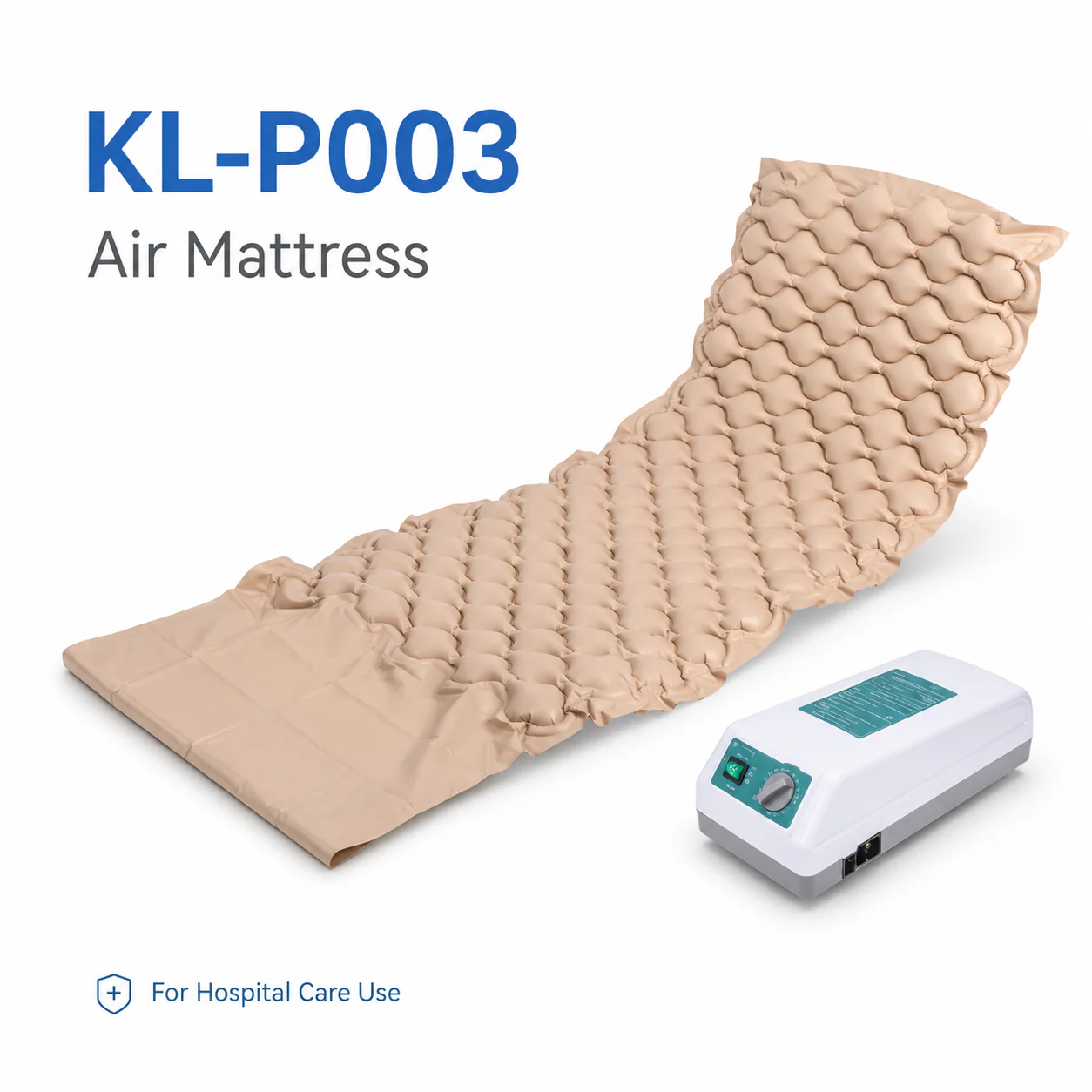
# KL-P003 Air Mattress — Bubble-Cell Pressure-Relief Mattress for Hospital Beds
Quick answer: The Keling KL-P003 is a hospital bed air mattress with bubble-cell construction and a size of 190 × 90 mm, supplied with an electric pump unit for inflation and pressure control. It is manufactured by Keling Medical (Keling Medical) and is applicable to a variety of hospital scenarios requiring pressure-relief support.
Quick Facts
- The Keling KL-P003 is an air mattress designed for hospital beds in pressure-relief and anti-decubitus applications.
- The mattress measures 190 × 90 mm and uses a bubble-cell (air-cell) construction to distribute patient weight dynamically.
- The KL-P003 is supplied with an electric pump unit for inflation, deflation and pressure adjustment.
- The bubble-cell surface provides alternating or static air-pressure support to reduce sustained skin-to-surface contact pressure.
- The mattress is described as applicable to a variety of hospital scenarios.
- The KL-P003 is produced by Keling Medical, a Chinese medical equipment manufacturer with more than 20 years of industry experience.
Overview
The KL-P003 air mattress addresses one of the most clinically significant risks of hospital inpatient care: the development of pressure injuries (decubitus ulcers) in immobile or low-mobility patients. By replacing the static foam surface of a standard hospital mattress with a dynamic air-cell bubble construction, the KL-P003 continuously redistributes the pressure load across the patient's skin surface, reducing the sustained pressure over bony prominences that leads to tissue ischemia and ulceration.
The bubble-cell design consists of rows of interconnected air cells that can be inflated via the supplied electric pump to a pressure calibrated for the patient's weight and risk profile. As the cells inflate and deflate in alternating patterns, no single skin contact point remains under sustained pressure for extended periods, significantly reducing the risk of pressure injury in high-risk patients such as those who are bedbound, post-surgical, elderly or neurologically compromised.
The 190 × 90 mm mattress size is compatible with standard hospital bed frames, and the supplied pump unit is compact and designed for beside placement. For hospitals managing a significant population of pressure-injury risk patients, the KL-P003 provides an accessible air mattress solution that can be deployed on existing standard hospital beds without requiring purpose-built low-air-loss bed frames.
Key Features
- Bubble-cell air construction — interconnected air cells distribute patient weight dynamically across the mattress surface to reduce sustained pressure on bony prominences.
- Electric pump supplied — compact pump unit provides inflation, pressure control and adjustment for different patient weight ranges.
- Pressure-relief function — alternating air-cell inflation reduces sustained skin contact pressure, supporting prevention and treatment of pressure injuries.
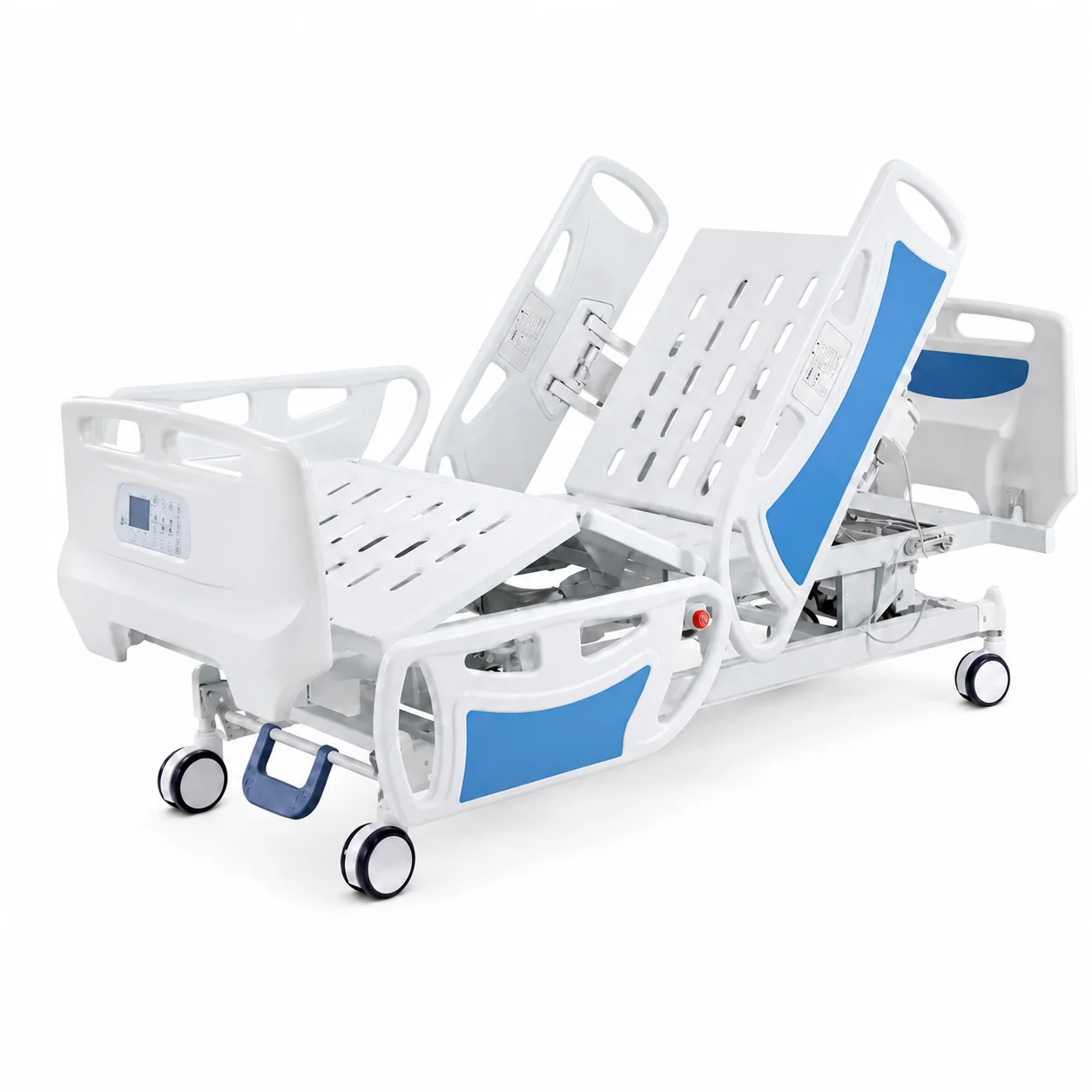
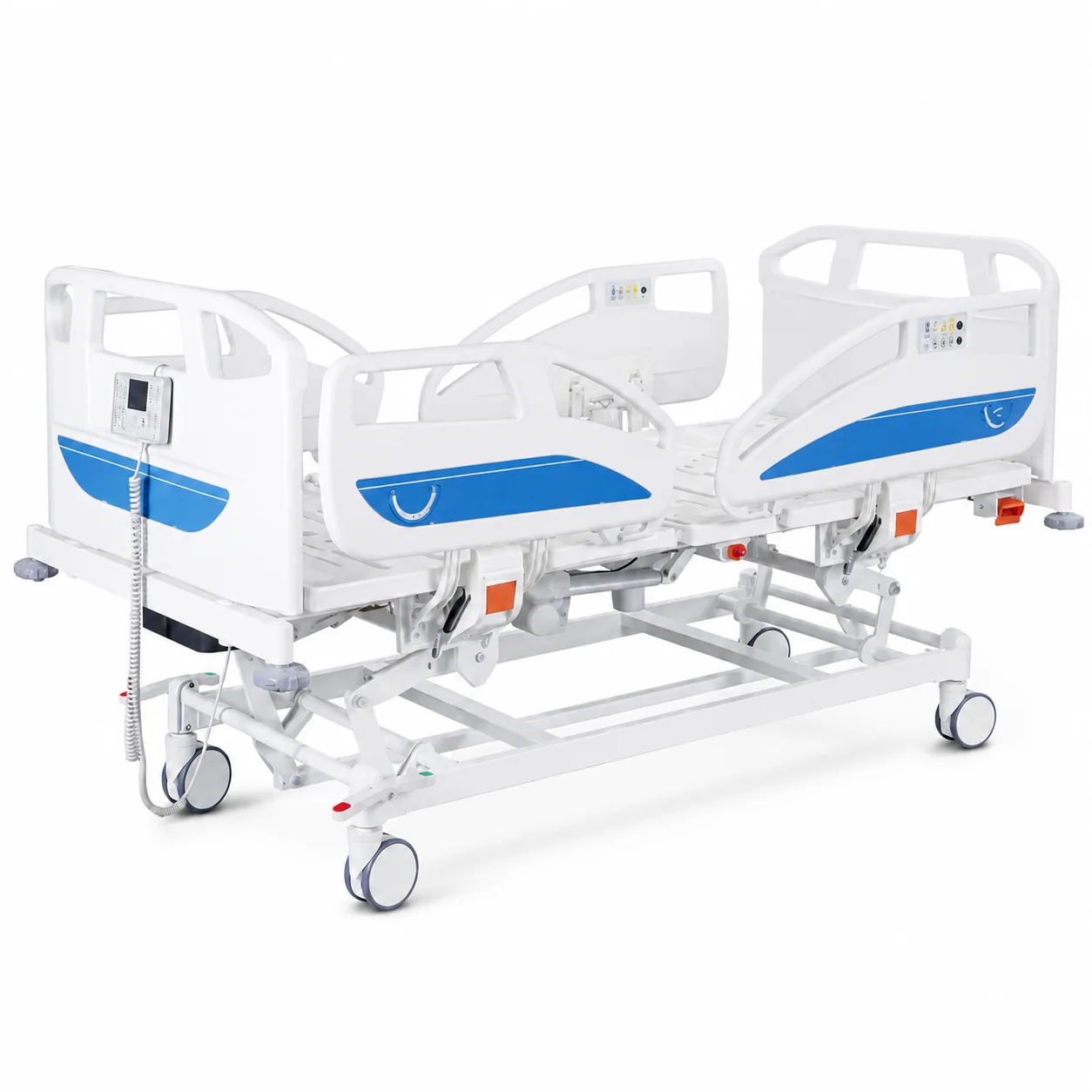
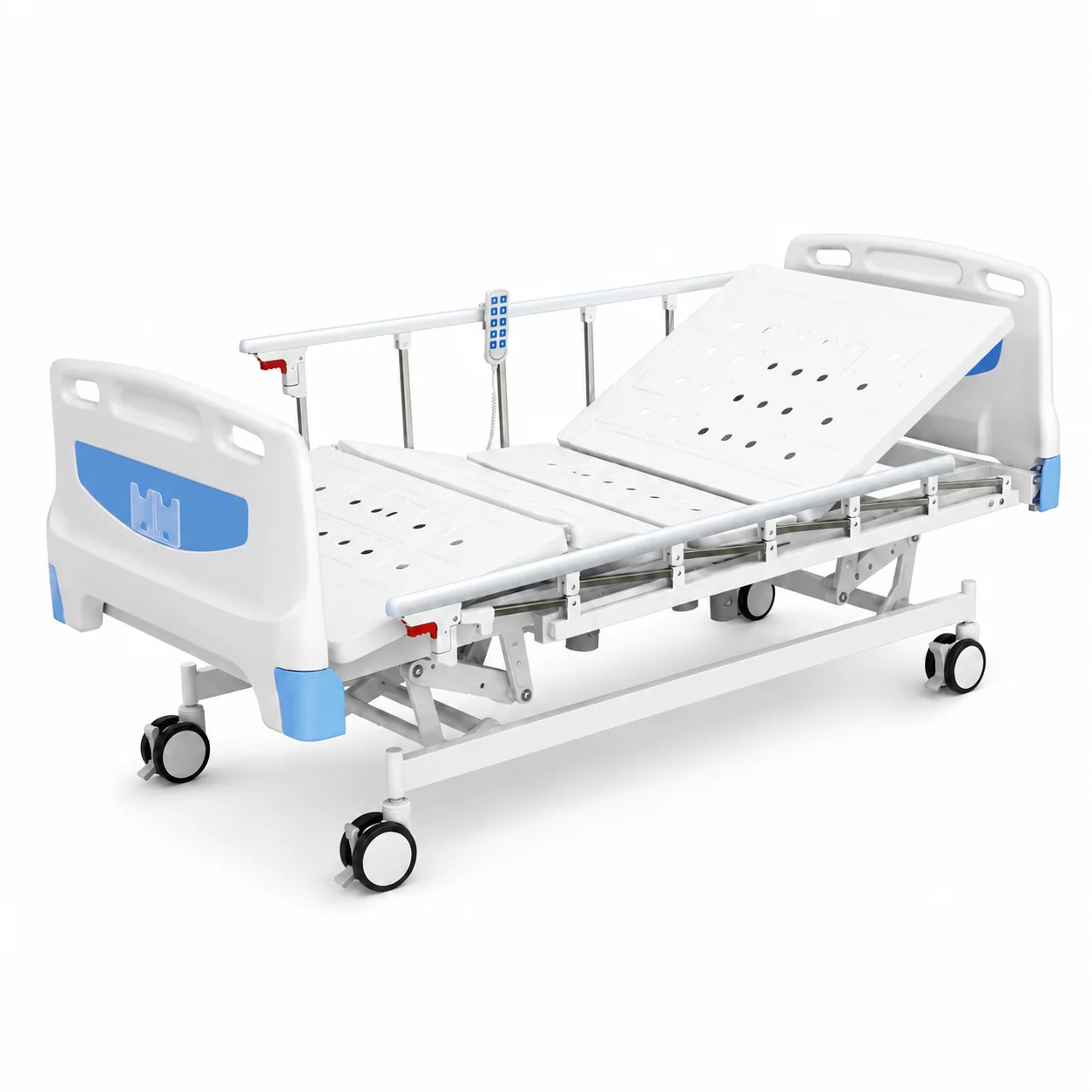
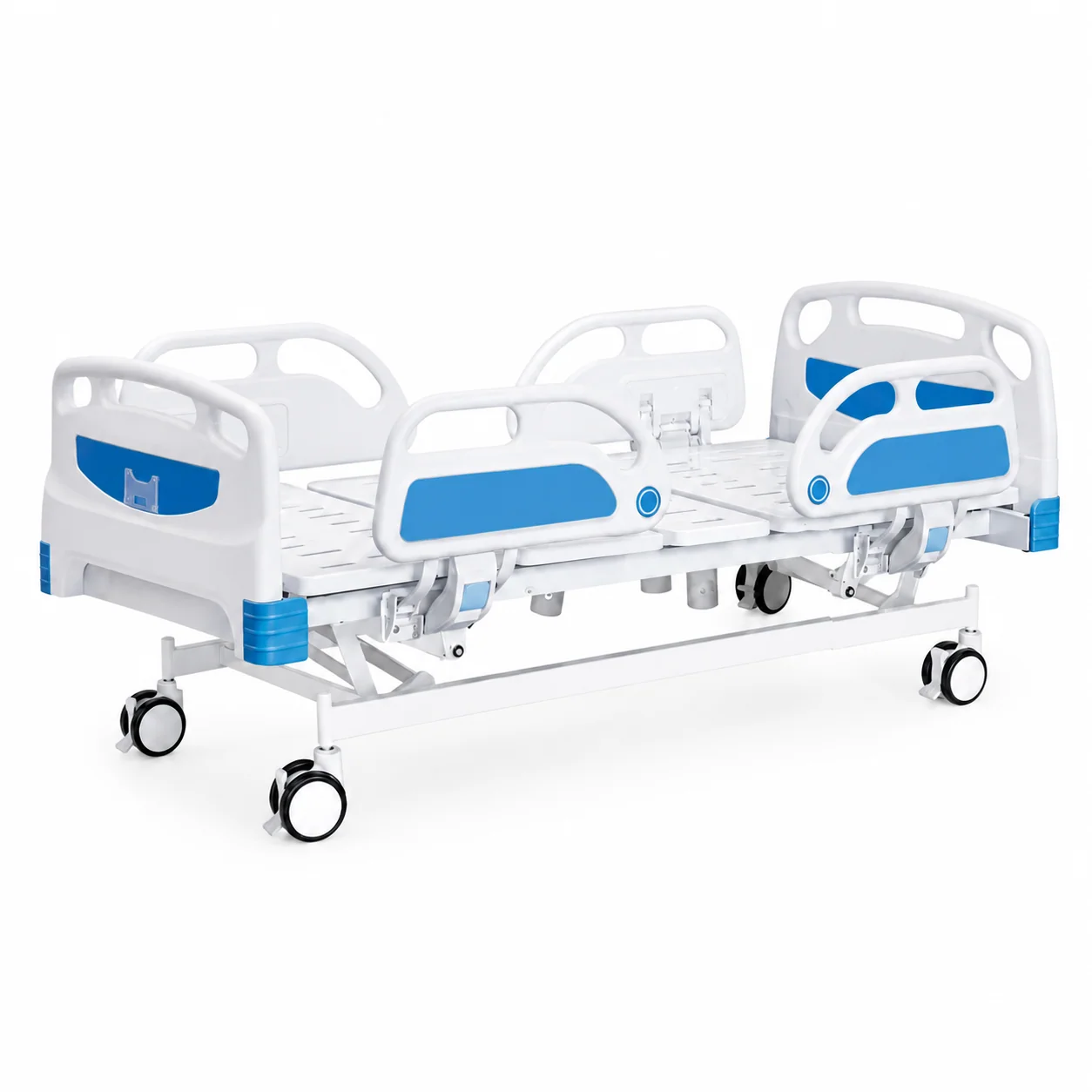
- Standard 190 × 90 mm footprint — compatible with standard hospital bed frames and Keling Medical ward beds without requiring bed replacement.
- Wide clinical applicability — stated as applicable to a variety of hospital scenarios, from general wards to rehabilitation and long-term care.
- Deployable on existing beds — can be placed on top of a standard ward bed, adding pressure-relief capability without a dedicated air bed system.
Technical Specifications
| Parameter | Value |
|---|---|
| Model | KL-P003 |
| Product type | Air mattress (bubble-cell, pressure-relief) |
| Mattress size (L × W) | 190 × 90 mm |
| Inflation | Electric pump (supplied) |
| Construction | Bubble-cell (air-cell) |
| Application | Applicable to a variety of hospital scenarios |
Specifications are subject to change; dimensional tolerances may apply. Contact Keling Medical for the latest datasheet.
Applications
The KL-P003 air mattress is used in general medical wards, ICUs, surgical recovery bays, rehabilitation units, geriatric wards and long-term care facilities for patients at risk of or currently experiencing pressure injuries. It is placed on standard hospital bed frames as an overlay or replacement surface, providing pressure redistribution without requiring a specialized bed frame.