What is an operating table?
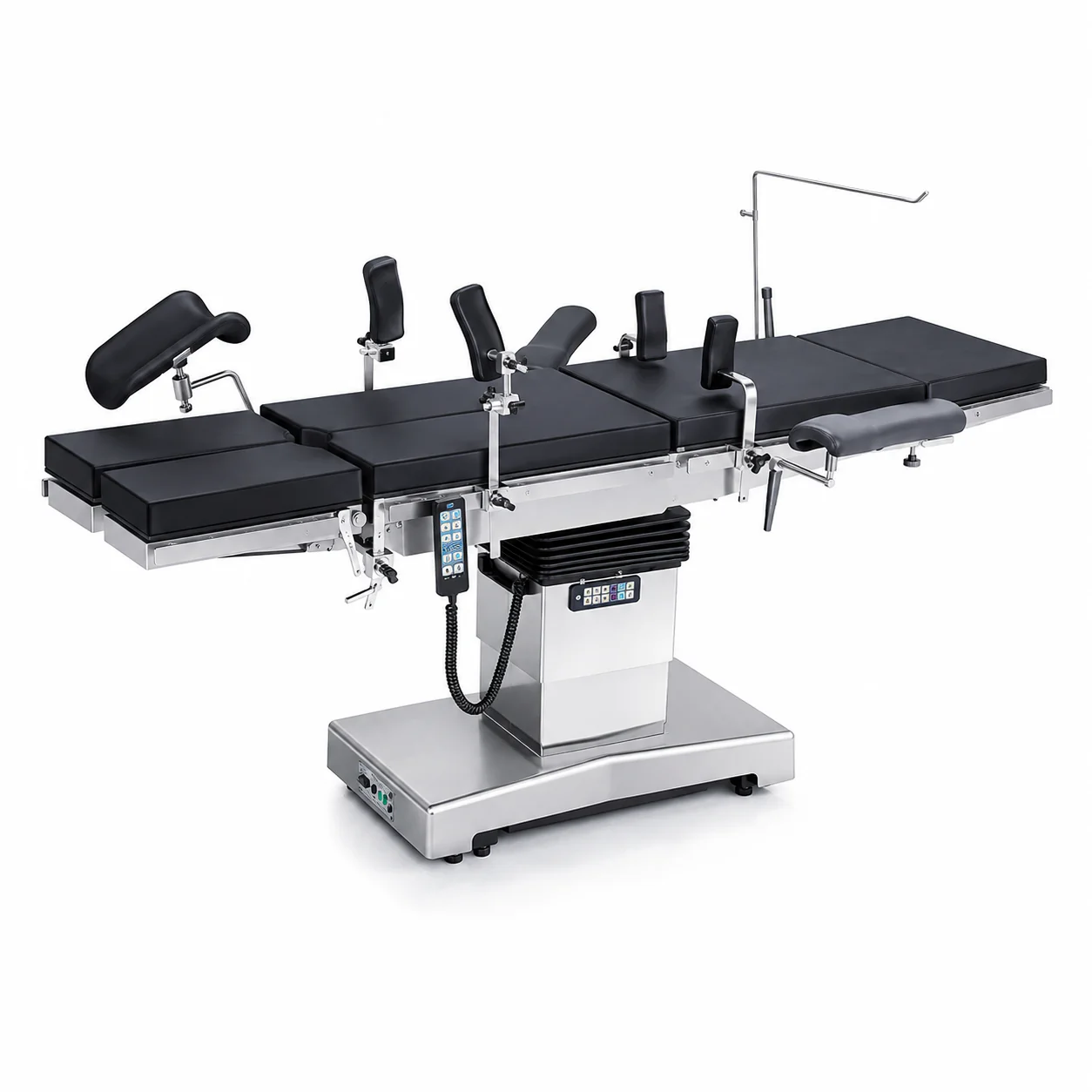
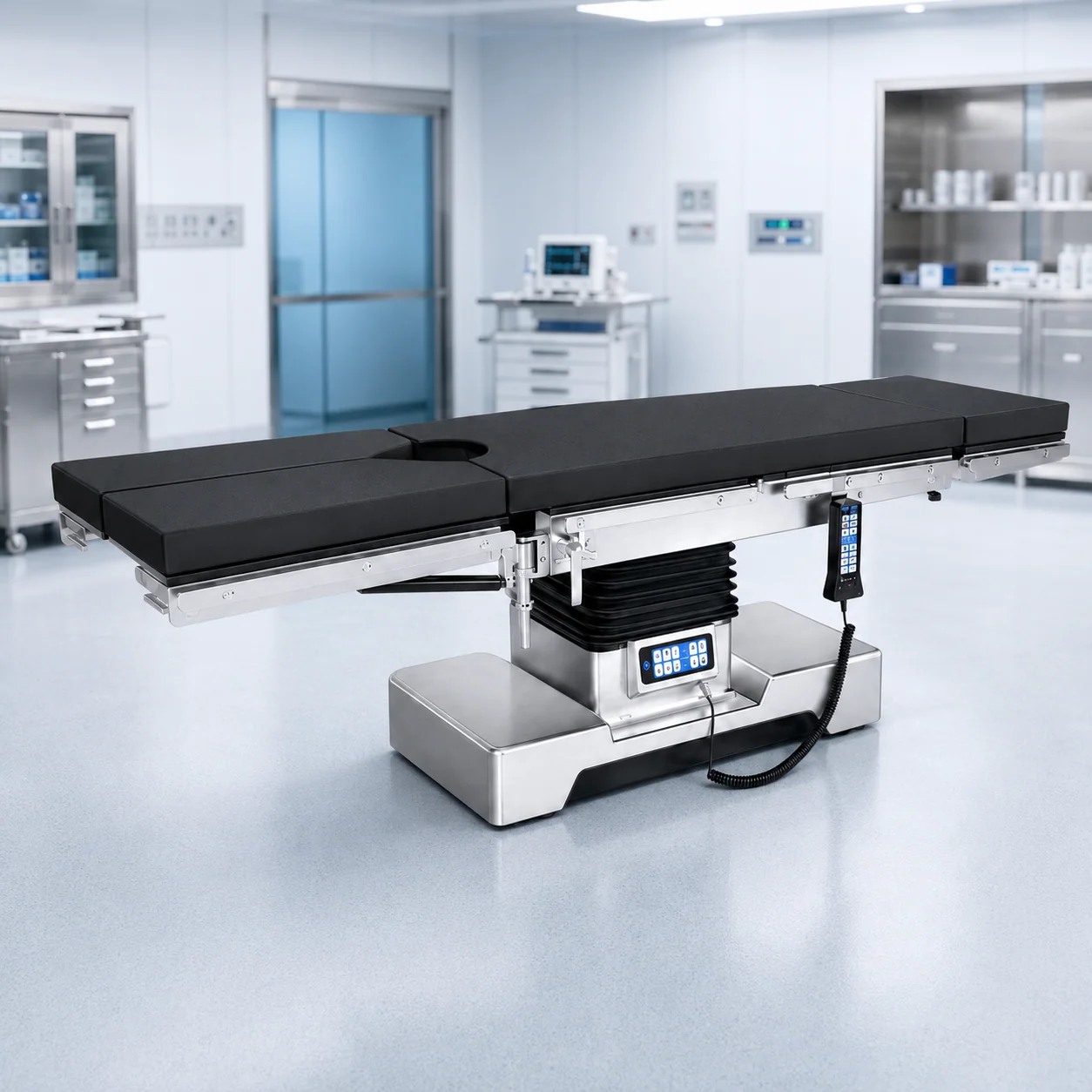
An operating table, also called a surgery table, surgical table, ops table or OT table, is the central patient-support platform in an operating room. It is selected around the procedures performed, the required patient positions, the available surgical accessories and the workflow of the hospital department.
The phrase “surgeons table” is commonly used in search queries, but procurement documents usually describe the equipment as an operating table, surgical operation table or operating room table. “Operating room bed” can also be used informally, although a surgical table is designed for intraoperative positioning rather than routine inpatient care.
For a hospital project, the table should be evaluated as part of the operating table system. That system may include the table, mattress or pads, side rails, head and leg sections, positioning attachments, control equipment and service provisions. Confirm which items are included in the quoted configuration rather than assuming that every pictured accessory is standard.
Main operating table types for hospital procurement
The right general surgical table depends on how much flexibility, positioning control and specialty adaptation the department needs. A practical comparison starts with the operating mechanism.
Mechanical and hydraulic tables
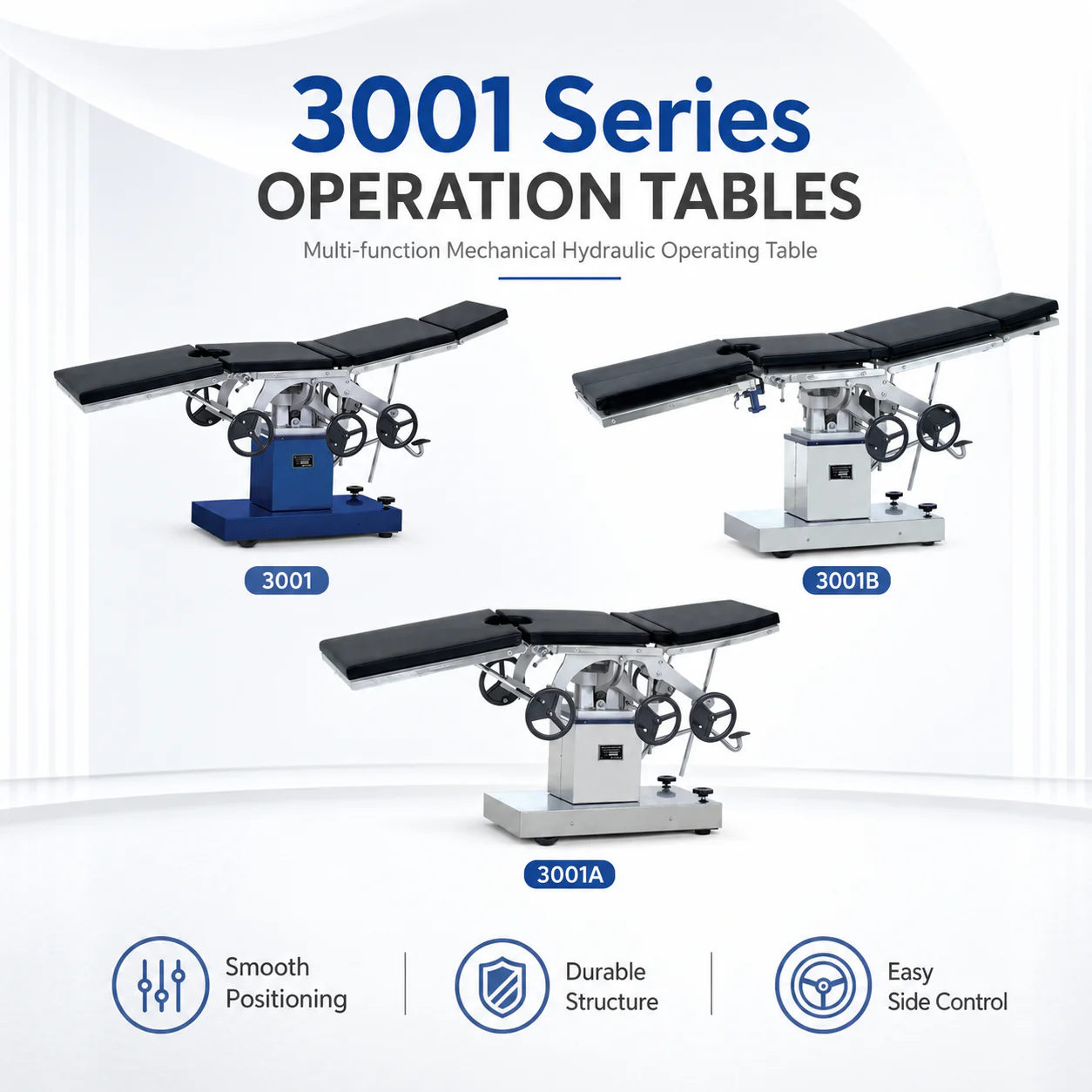
A mechanical or hydraulic table may suit facilities that prefer a straightforward design and do not require every movement to be electrically controlled. Keling Medical’s 3001 Series Operation Table is described as a mechanical hydraulic surgical table. The 3009A & 3009C & 3009D Operation Table is described as a hydraulic pneumatic surgical table.
These configurations can be relevant where the buyer prioritises mechanical operation, maintainability and a defined set of surgical positions. The quotation should clarify the operating method, adjustment functions, included accessories, power requirements if applicable and service parts availability.
Electric and electro-hydraulic tables
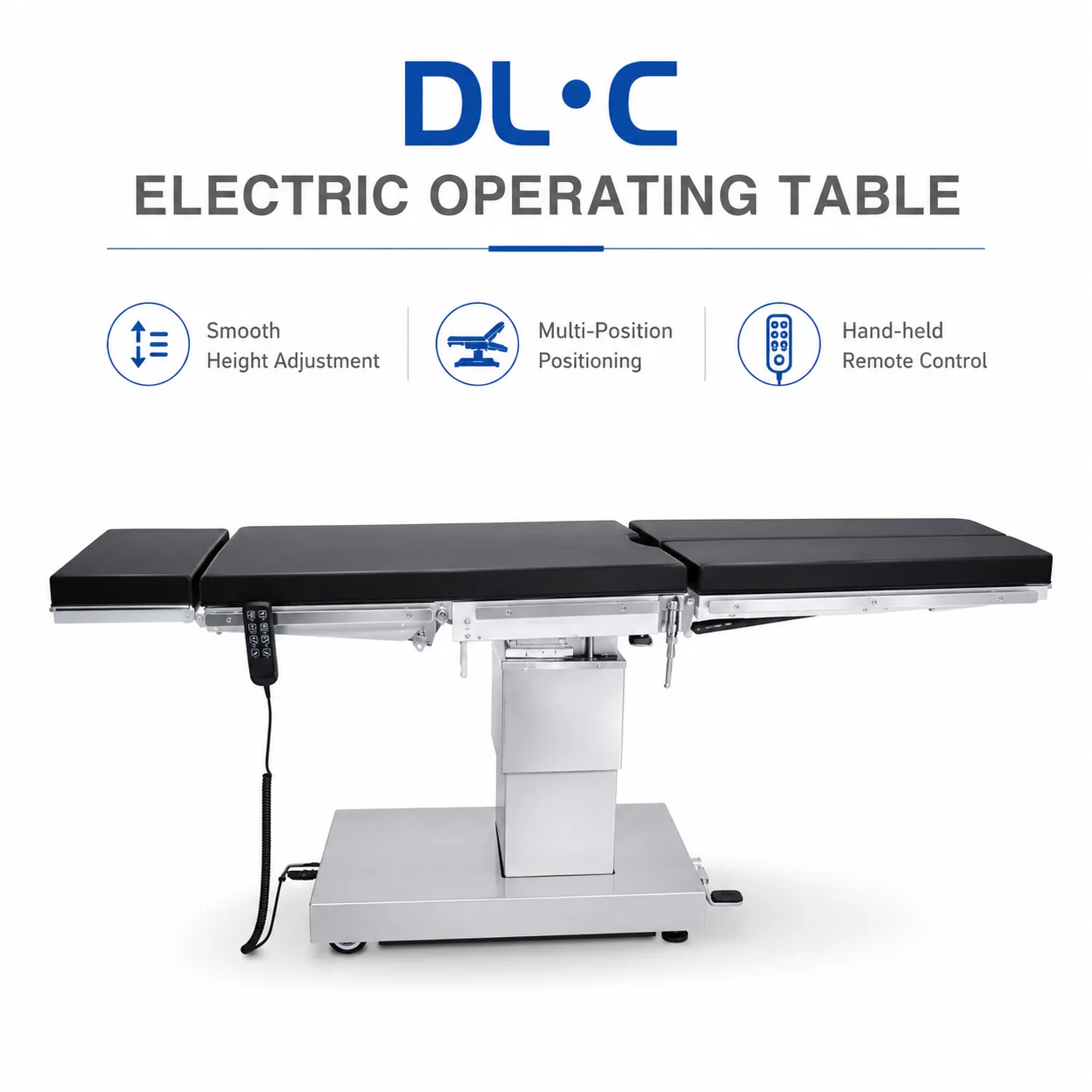
An electric operating table is generally considered when the surgical team needs powered adjustment during procedures. Keling’s DL-A Electric Operating Table is described as a full-electric surgical table, while the DL-C Electric Operating Table is described as an electric hydraulic surgical table.
For electric models, procurement teams should confirm control locations, emergency or backup operation, electrical specifications, movement functions and compatibility with the hospital’s infrastructure. Do not compare models only by the word “electric”; the control architecture and included configuration must be checked in the written quotation.
Tables with longitudinal slide or imaging considerations
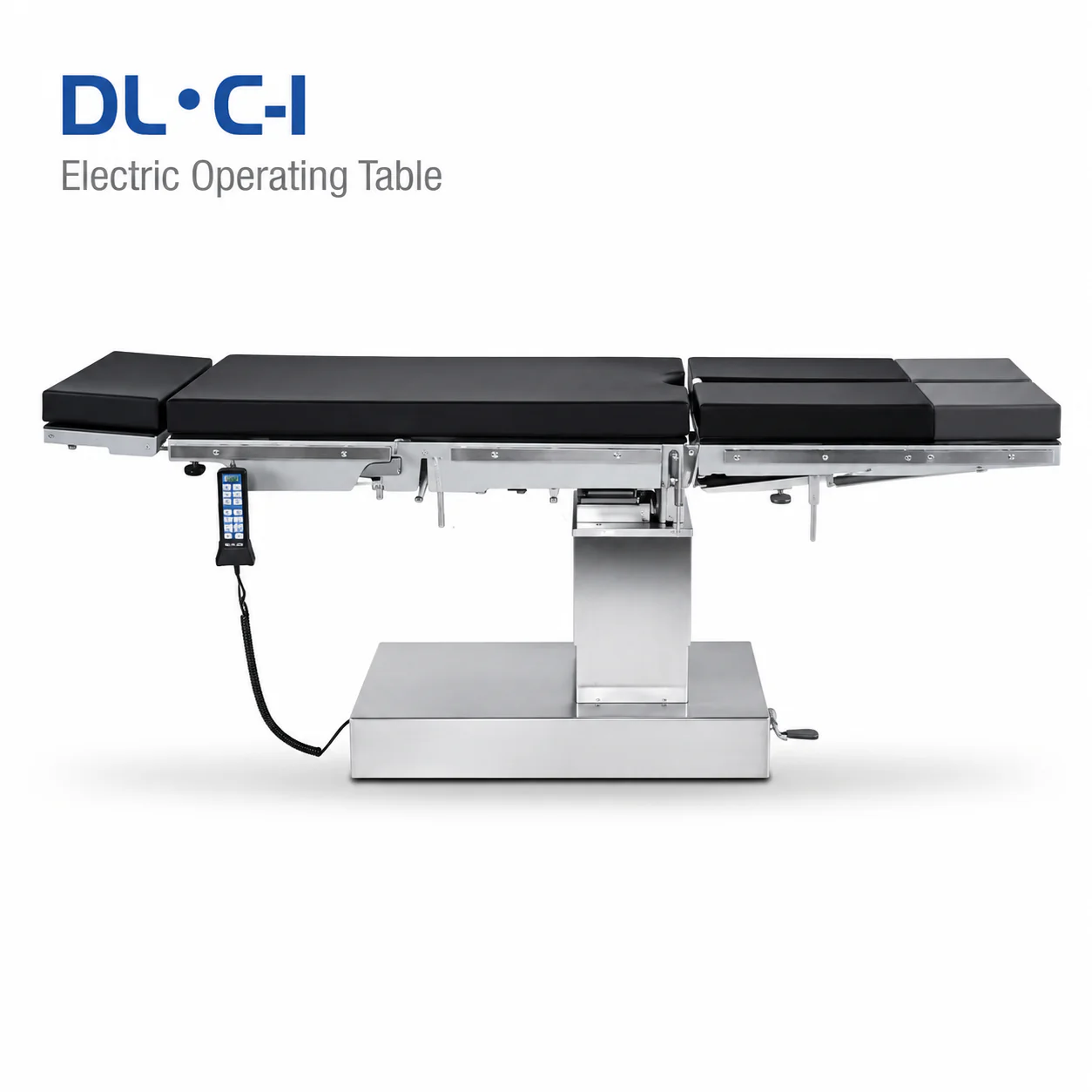
Some operating departments need additional access for imaging or procedures requiring a changed table position. The DL-C-I Electric Operating Table is described as an electric surgical table with longitudinal slide. This feature may be relevant to buyers assessing fluoroscopy or C-arm workflows, but compatibility should be confirmed for the complete configuration and intended imaging equipment.
A table selected for imaging-led work should be reviewed with the clinical engineering and operating-room planning teams. Confirm the usable imaging area, accessory arrangement, patient-support configuration and any limitations stated by the manufacturer before including the model in a tender.
How to choose a surgical table by department
General surgery tables
A general surgical table is normally assessed for versatility across the hospital’s routine operating list. Buyers should map the expected procedures against the table’s available positions, section configuration, patient-support surfaces and accessory options. The goal is not simply to purchase a table with the longest feature list, but to select a configuration that supports the department’s actual workload and room layout.
For multiple operating rooms, standardising selected models can simplify user familiarisation, spare-parts planning and maintenance documentation. However, standardisation should not remove specialty requirements. A general surgery room, orthopaedic room and obstetric room may need different table configurations.
Orthopedic surgery table and ortho table requirements
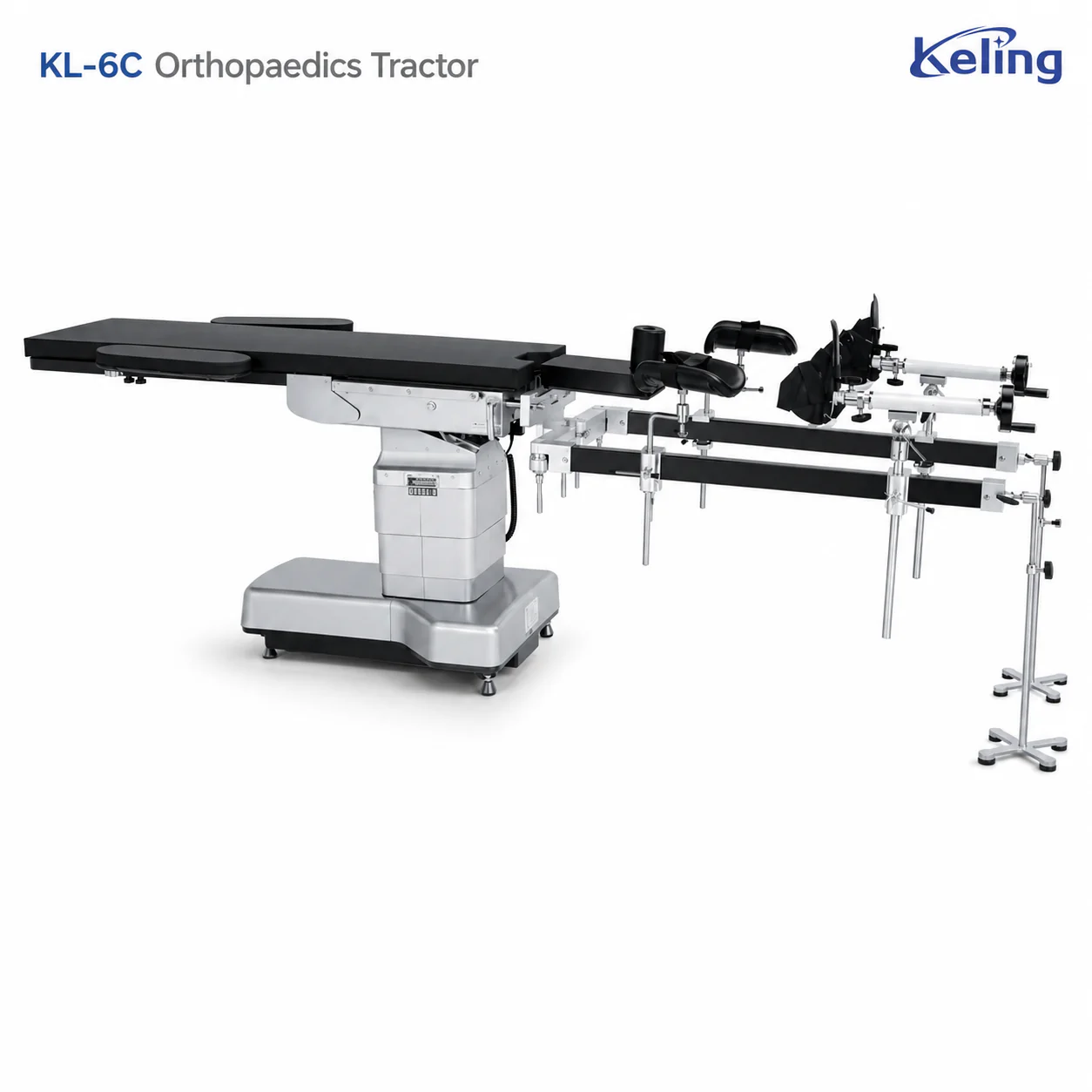
An orthopedic surgery table or ortho table may require traction-related or imaging-related accessories rather than a conventional general-purpose configuration. Keling lists the KL-6 Series Orthopaedics Tractor as a carbon fiber traction frame and the KL-6B & KL-6D Orthopaedic Traction Frame as a solution for fracture and dislocation surgery.
These products should be assessed according to the specific orthopaedic procedure, imaging workflow, patient-support arrangement and accessory list. Buyers should ask whether the quoted item is a complete operating table, a traction frame or an accessory solution intended to work with another table. This distinction is important for tender schedules and room-equipment budgets.
Obstetric, gynecological and examination use
Obstetric and gynecological procedures may require a dedicated configuration rather than a general surgical operation table. The catalogue includes manual and electric obstetric tables, gynecological examination beds and electric gynecological tables. These should be evaluated separately from general operating-room equipment because the intended workflow, patient access and support arrangement may differ.
Likewise, procedure tables used in outpatient examination rooms should not automatically be treated as substitutes for an operating table. A buyer should define whether the requirement is surgery, examination, delivery, treatment or recovery before comparing products.
Operating table buying checklist
Before requesting a quotation, prepare a concise technical and commercial brief:
- Department and procedures: State whether the requirement is general surgery, orthopaedics, obstetrics, gynecology, examination or another specialty.
- Adjustment method: Decide whether the project requires mechanical, hydraulic, pneumatic, electric or electro-hydraulic operation.
- Positioning functions: List the required movements and patient positions rather than relying on a generic “multi-function” description.
- Imaging workflow: Confirm whether the table must support C-arm, fluoroscopy or another imaging process, and request written compatibility information.
- Accessories: Specify head sections, leg sections, side supports, traction components, restraints, pads and other required items.
- Room constraints: Provide door dimensions, room layout, transfer route, power supply and any fixed equipment that could affect installation.
- Maintenance: Ask about preventive maintenance, spare parts, warranty terms, user documentation and remote or local technical support.
- Tender documentation: Request the model name, configuration, country of origin, packing details, lead time and validity of the quotation in writing.
Keling Medical is a Shanghai-based manufacturer and export and sales centre founded in 1996. Its company materials state that it manufactures 310 models across 12 categories and operates an ISO 13485 quality system; they also state ISO 9001 and CE. Regulatory scope and validity should be confirmed per model and destination market in the written quotation.
Operating table, operating desk or surgical bench?
Search terms such as operating desk and surgical bench may refer to different equipment categories or informal descriptions. Procurement specifications should use a precise functional name and define the required clinical environment. An operating table for a surgical suite is not interchangeable with a hospital bed, examination table or ordinary treatment bench.
For related hospital-equipment planning, see the Over Bed Table Buying Guide for Hospitals, Hospital Bed Cover: Buyer’s Guide for Hospitals and Fitted Sheets Hospital Beds: Buyer’s Guide. These products may belong to the same wider hospital procurement programme, but they should be specified and quoted separately.
How to request an operating table quotation
Send the supplier the destination country, hospital or project type, intended department, required quantity, preferred operating mechanism, specialties, imaging requirements, accessory list, power information and target delivery schedule. If the purchase is for a tender, include the required compliance documents and technical-format template.
Keling Medical supplies B2B customers, including distributors, hospital projects and tender buyers. Buyers can use the operating tables category to review available configurations, then submit requirements through the quotation request page. Ask the quotation to identify the exact model, included accessories, technical parameters, commercial terms and destination-market documentation. For quality and compliance information, consult the quality and compliance page.