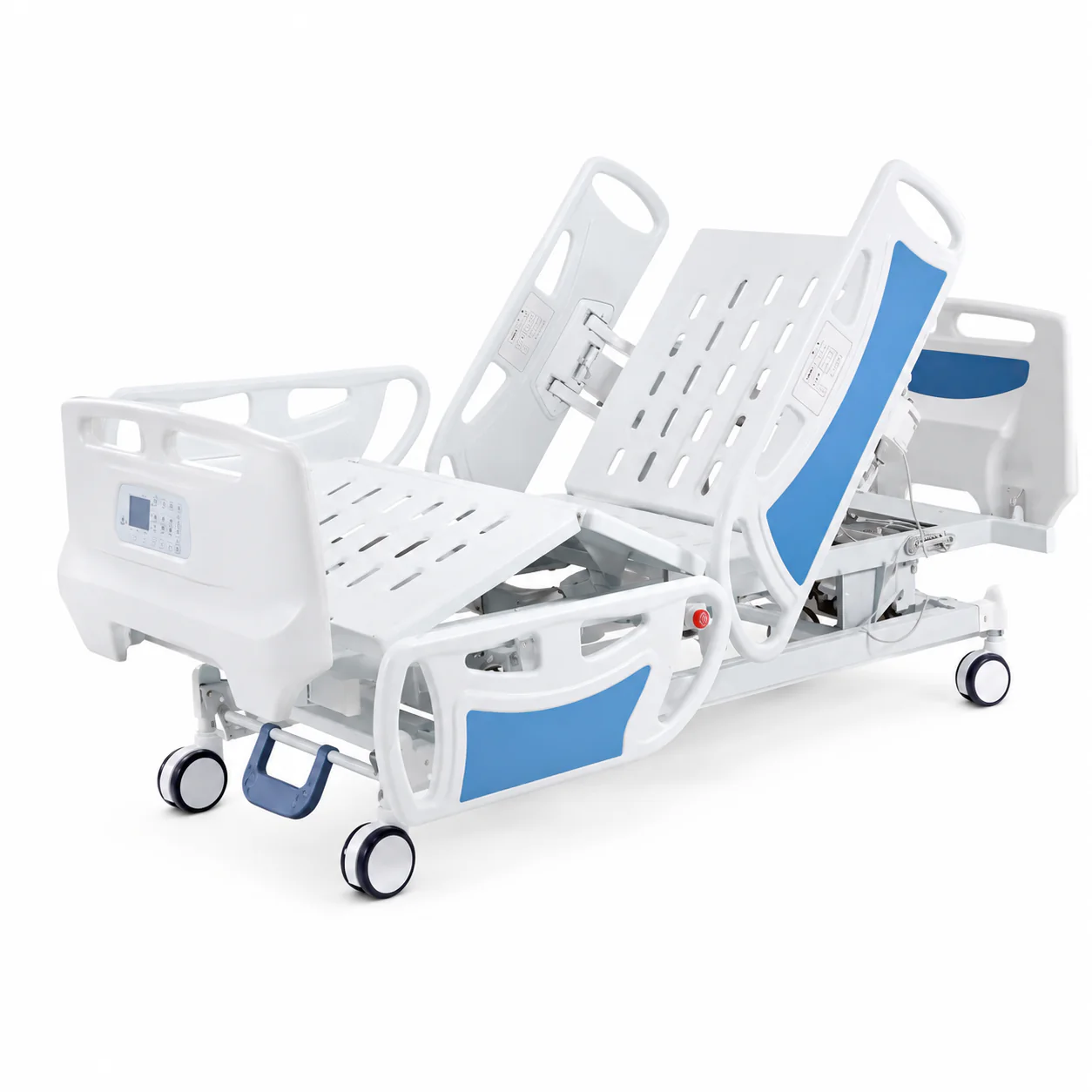
What is a hospital cot?
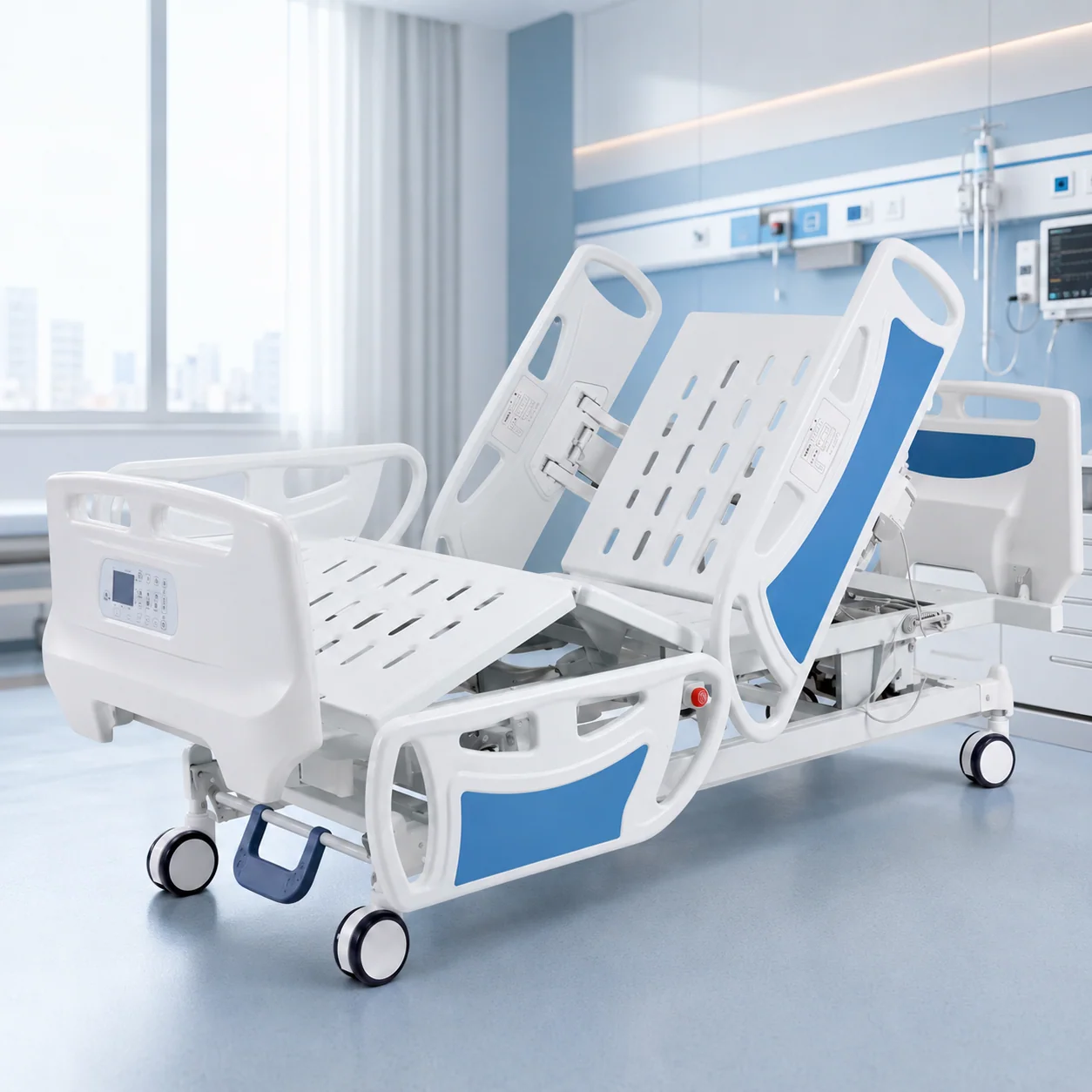
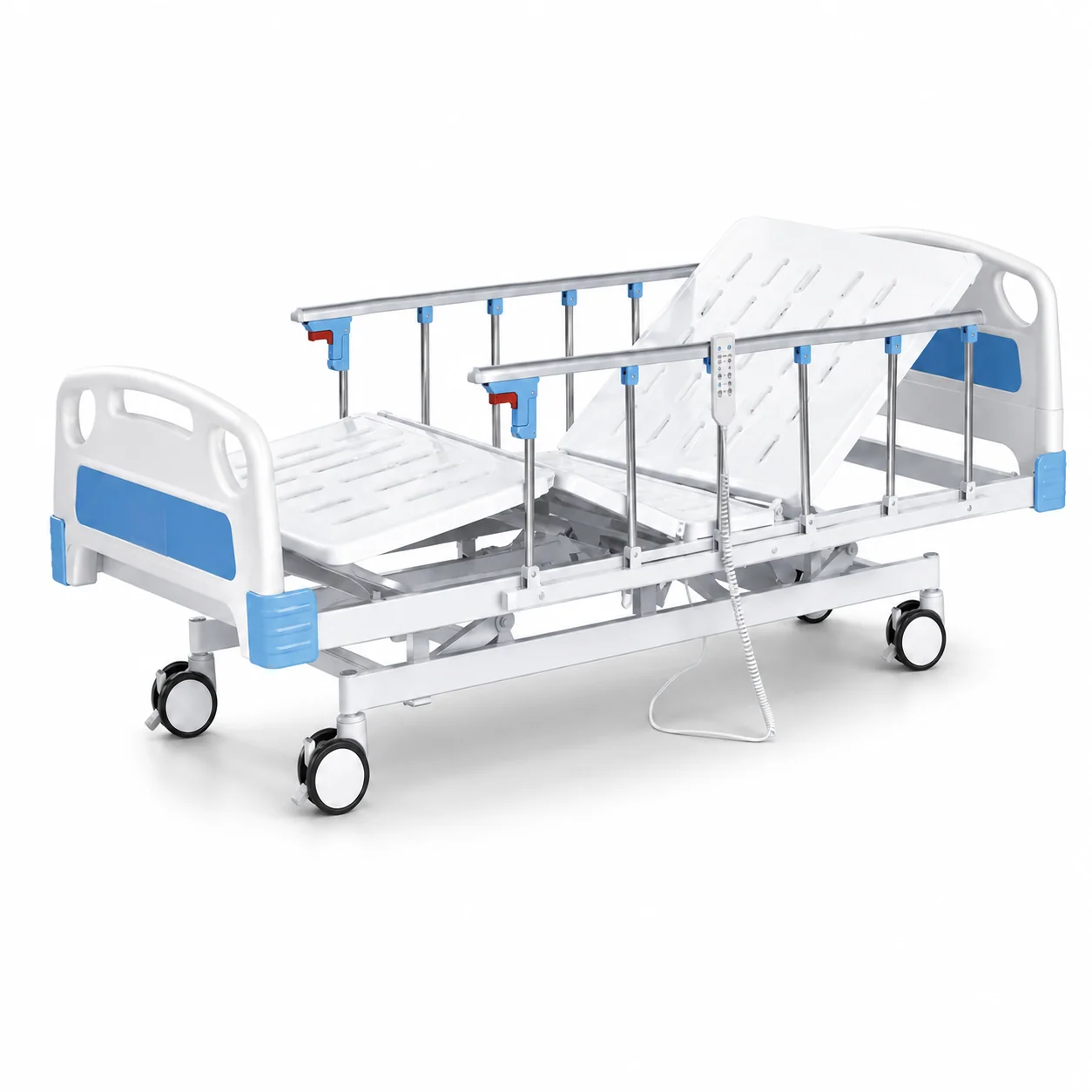
A hospital cot is a healthcare bed or cot-style sleeping platform intended for use in a hospital, clinic, care facility or medical project. In procurement documents, “cot” may describe a compact bed, a basic ward bed, a transport-style patient cot or a pediatric bed. The exact meaning depends on the tender, facility and supplier terminology.
For this reason, buyers should avoid selecting solely by the product name. Define the application first: inpatient ward, emergency area, outpatient treatment, rehabilitation, long-term care or pediatric use. Then specify the required bed surface, adjustment functions, safe working load, mobility, side rails, headboard, mattress and accessories.
If different suppliers use different names for similar equipment, the Hospital Bed Name: Types and Buyer Terminology article can help align the specification before bid comparison. Keling Medical manufactures 310 models across 12 categories, so a written requirement is useful when the requested term is broad or translated differently between markets.
Hospital cot vs medical cot vs hospital cot bed
The phrases medical cot, hospital cot bed and hospital cot are often used interchangeably in online searches, but they can lead to different quotations. “Medical cot” is a broad commercial term and may refer to a basic manual bed, a powered hospital bed or a mobile cot. “Hospital cot bed” usually emphasizes that the unit is a bed for a healthcare environment, but it still does not define functions or dimensions.
A useful procurement distinction is:
- Basic or flat bed: suitable when the requirement is primarily a stable patient sleeping platform with limited adjustment.
- Manual hospital bed: appropriate when staff need mechanical backrest, knee-rest, height or other adjustments without electric actuation.
- Electric hospital bed: appropriate when the project requires powered adjustment and has suitable electrical infrastructure and maintenance support.
- Special-purpose bed: selected for applications such as intensive care, orthopedics or obstetrics, where the model description and tender specification identify the intended configuration.
The word “cot” should not be treated as proof that a product is pediatric, transportable or suitable for emergency use. If the project requires a pediatric cot, ask the supplier to confirm the applicable model, dimensions, load requirements and accessories in writing. Keling’s Pediatric Beds & Cots category can be referenced during that discussion, but the quotation should identify the exact model supplied.
How to choose a hospital cot for a facility
1. Match functions to the care setting
Start with the minimum functions required by the department. A ward project may need a simpler configuration than an ICU or critical-care project. Confirm whether the specification requires backrest adjustment, knee-rest adjustment, height adjustment, Trendelenburg, CPR-related functionality or another named feature. Do not assume that a higher function count automatically matches the clinical or tender requirement.
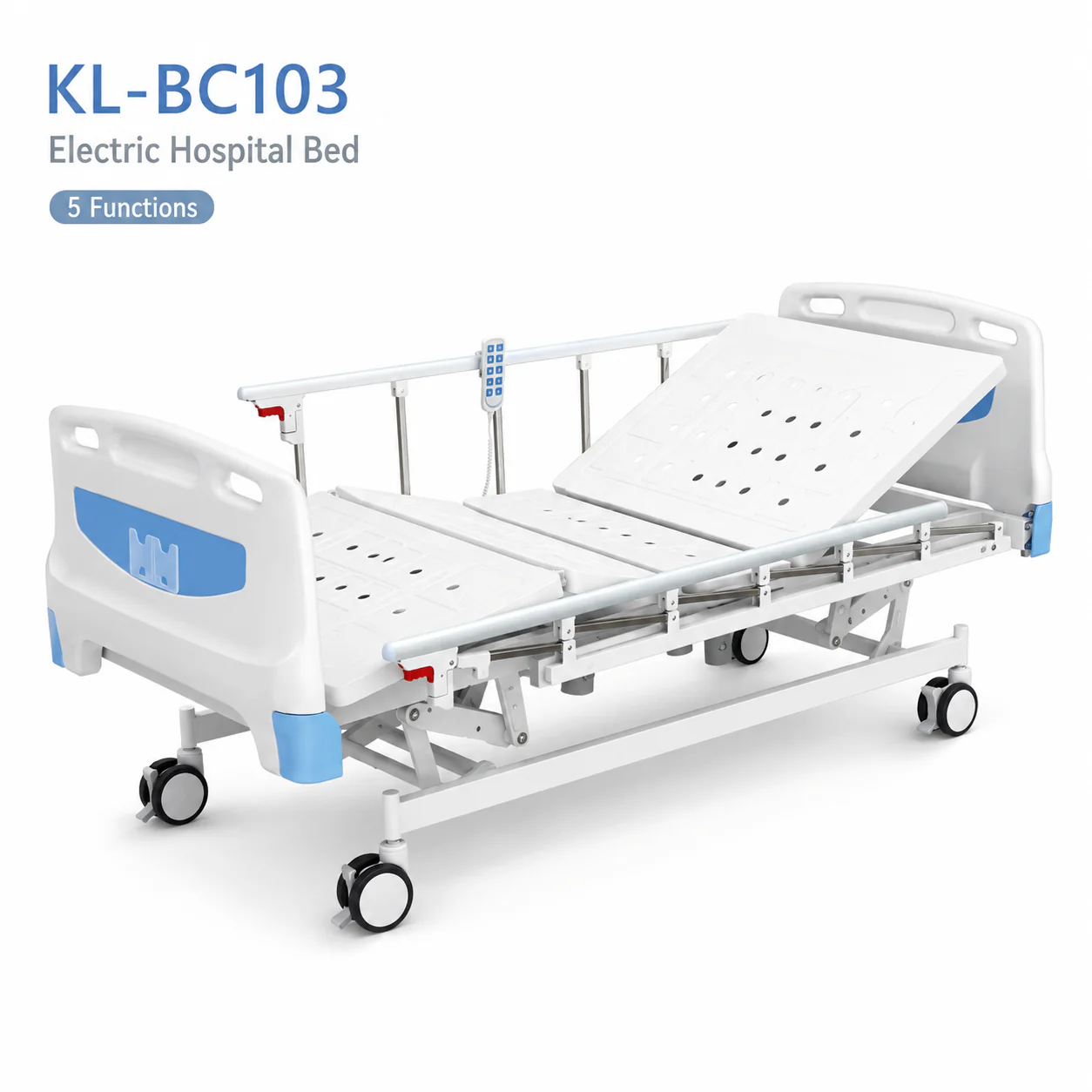
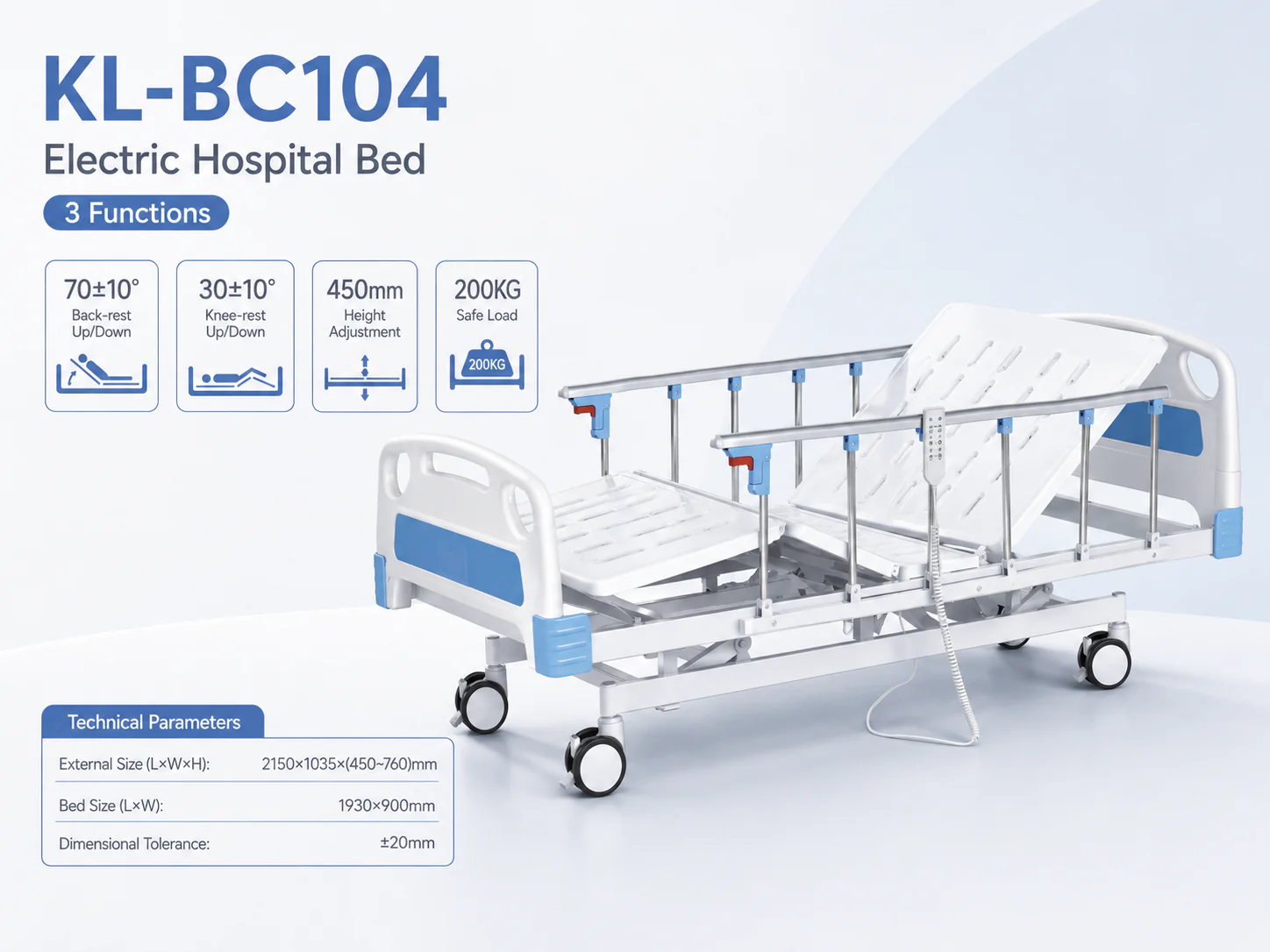
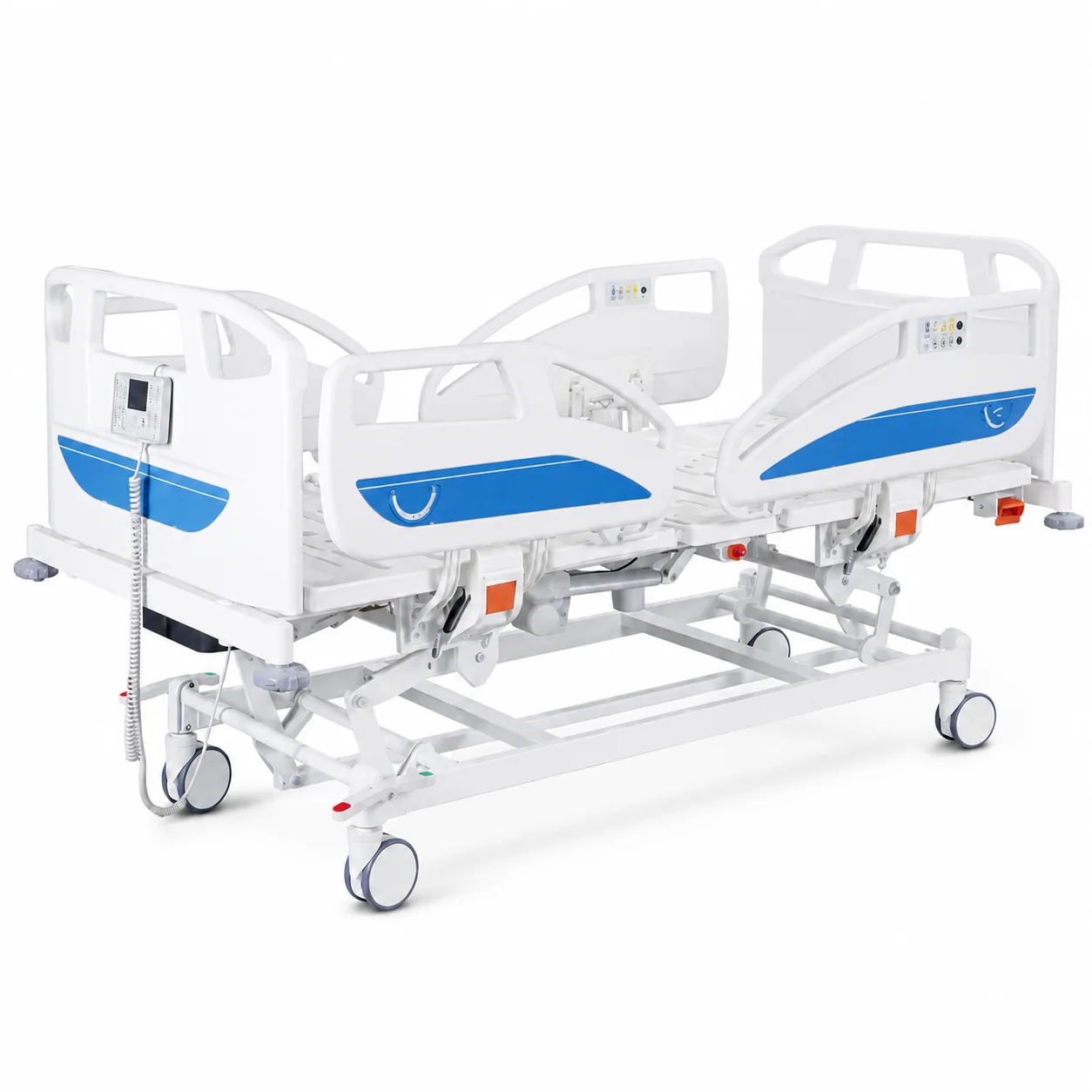
Keling’s catalogue includes the KL-BC103 Electric Hospital Bed, described as a 5-Function Ward Bed 240 kg, and the KL-BC104 Electric Hospital Bed, described as a 3-Function Electric Bed 200 kg. These descriptions provide a starting point for comparison, but the written quotation should confirm the complete configuration.
2. Check capacity and load terminology
Capacity must be compared using the same definition in every bid. Ask whether the stated value is a safe working load, a patient weight limit or another supplier-defined figure. The catalogue describes KL-BC103 as 240 kg and KL-BC104 as 200 kg; these figures should be evaluated against the tender’s required load terminology rather than copied into a specification without clarification.
Where a higher-capacity requirement is involved, compare the bed frame, mattress, castors, side rails and accessories as a complete system. A component with a different rating may affect the suitability of the final configuration.
3. Decide between electric and manual operation
An electric hospital cot can reduce the physical effort needed for adjustment, but the buyer should confirm power supply, plug format, controls, maintenance arrangements and any backup requirements. A manual hospital cot may simplify infrastructure and servicing, but staff must operate the adjustment mechanism directly.
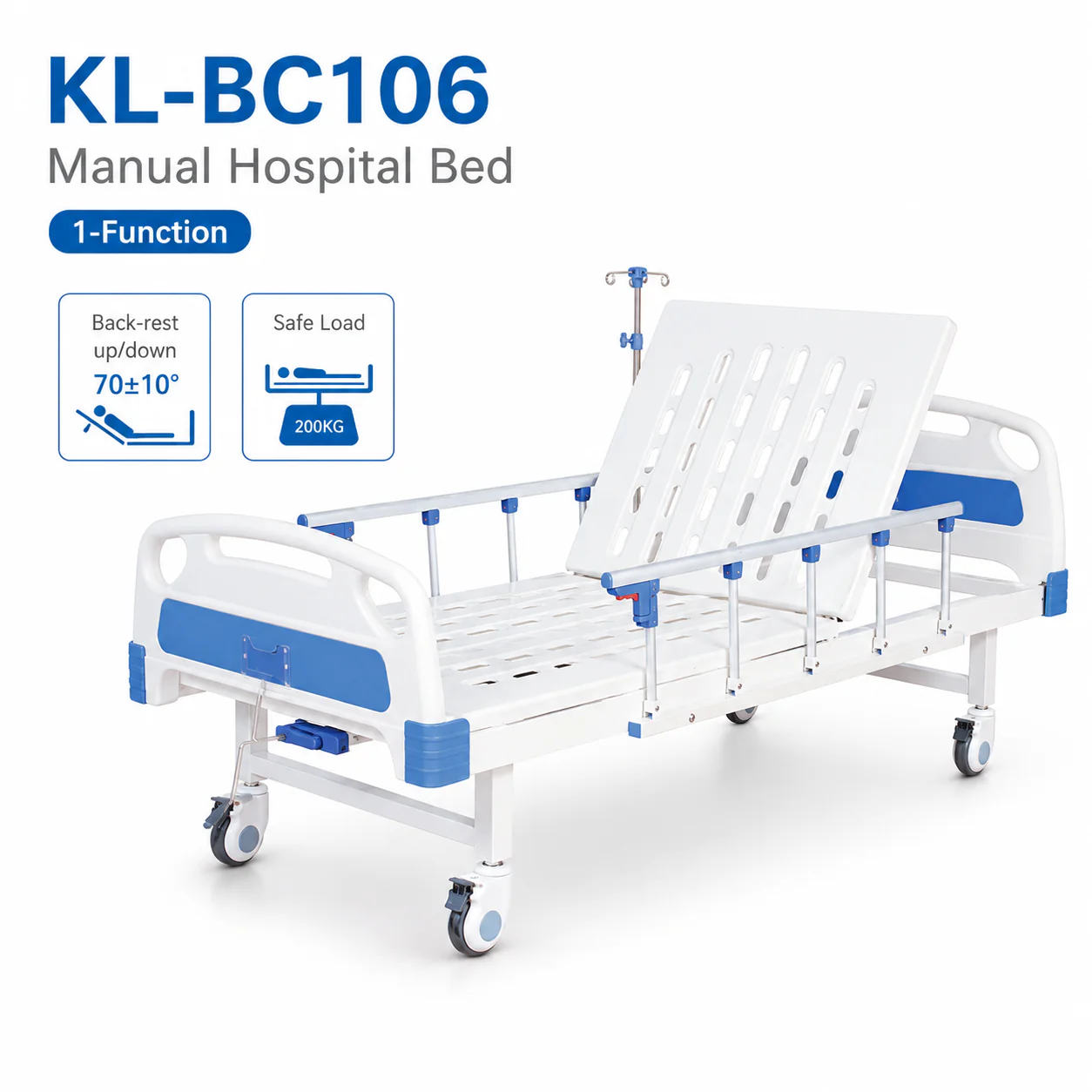
The catalogue includes the KL-BC106 Manual Hospital Bed, described as a 1-Function Backrest Bed 200 kg, and the KL-BC108 Manual Hospital Bed, described as a 3-Function Manual Bed with Height Adjustment. Compare these with electric models according to the facility’s operating environment, not only the purchase price.
4. Confirm dimensions, mobility and accessories
Before ordering, measure the available room, doorways, lifts, storage areas and service routes. Confirm overall length and width, bed-surface dimensions, minimum and maximum height where applicable, clearance around the bed, castor requirements and whether the assembled unit can be moved through the facility. The Hospital Bed Dimensions: What Buyers Must Measure provides a practical checklist for this stage.
Also define side-rail type, headboard, footboard, IV stand, castors and other accessories as line items. Keling lists KL-HL002 ABS Side Rail and KL-LJ045-1 I.V. Stand separately, so buyers should confirm whether accessories are included, optional or supplied as separate items.
5. Specify the mattress separately
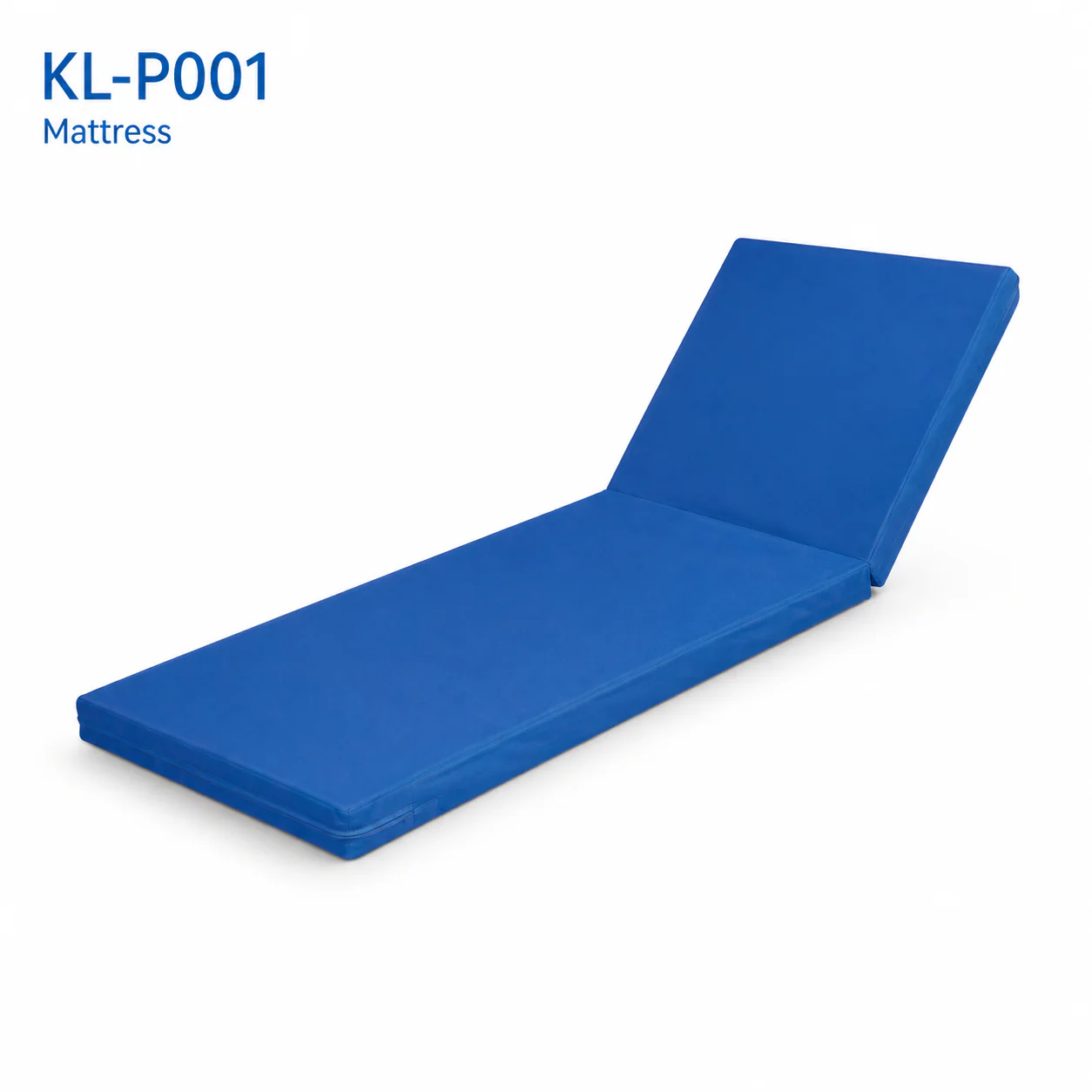
A hospital cot bed should be quoted with a compatible mattress specification rather than treated as a complete package by default. Confirm mattress dimensions, thickness, filling, cover material, cleanability, segmentation and compatibility with the bed’s adjustment range. The catalogue includes KL-P001 Mattress, described as a Hospital Bed Mattress with PU or Sponge Fill, and KL-P002 Mattress, described as a Segmented Hospital Bed Mattress with Palm-Fibre Fill.
For a broader comparison of material and configuration choices, see the Hospital Bed Mattress Buying Guide for Healthcare Buyers. Mattress supply, replacement cycles and packaging should be clarified in the quotation.
Hospital cot models to compare in a procurement shortlist
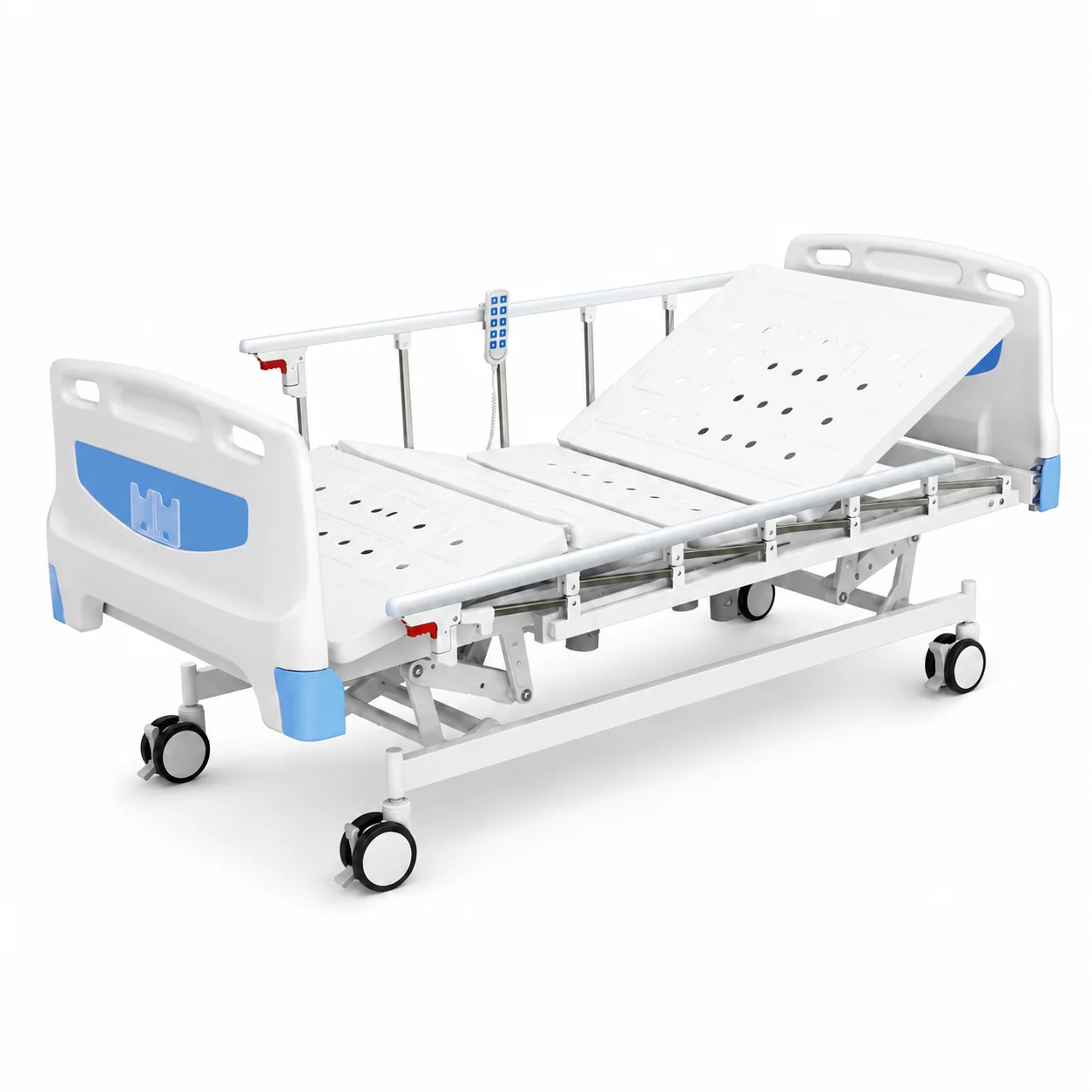
A shortlist can include different bed types when the requirement has not yet been finalized. For a five-function electric option, compare the KL-BC101 Electric Hospital Bed, described as a 5-Function ICU Bed with CPR, with the KL-BC103 ward-bed configuration. For a three-function electric option, review KL-BC104 or the alternative-style KL-BC104-A Electric Hospital Bed, described as a 3-Function Bed Alternative Style.
For simpler projects, the catalogue also includes flat beds and manual beds. The KL-BC129 Flat Bed is described as a Manual Backrest Hospital Flat Bed, while KL-BC109 is described as a 5-Function Manual Bed with Trendelenburg. These models should not be grouped together without checking the intended department, adjustment requirements and tender wording.
If the project is comparing standard ward capacity, intensive-care requirements or specialty configurations, use a model-by-model matrix. Record functions, capacity terminology, dimensions, power requirements, accessories, mattress options, packing details, warranty terms, spare parts and delivery conditions. A separate ICU Bed Buying Guide: Models, Features and Tender Checks is useful when the requested cot is actually intended for critical care.
Hospital cot quotation and tender checklist
Send the supplier a structured request rather than asking only for the price of a “hospital cot.” Include:
- Intended department and patient group.
- Required bed type: flat, manual, electric or special-purpose.
- Required functions and adjustment method.
- Patient weight or required load definition.
- Overall and bed-surface dimensions.
- Side rails, headboard, footboard, castors, IV stand and other accessories.
- Mattress type, quantity and replacement requirements.
- Voltage, plug standard and destination country.
- Quantity, packaging, delivery location and target schedule.
- Required technical file, quality documents and destination-market regulatory scope.
Keling Medical is Shanghai-based, was founded in 1996, operates an ISO 13485 quality system, and company materials also state ISO 9001 and CE. Certification scope and validity should be confirmed per model and destination market in the written quotation. For project support, buyers can review Hospital Projects or submit the requirement through Request a Quote. Pricing should be compared with the full supply scope; the Hospital Bed Cost: A Buyer’s Guide to Pricing explains which commercial details commonly affect the total offer.
For B2B enquiries from distributors, hospitals and tender buyers, contact inquiry@shkeling.com or +86 150 0064 9020. Request the exact model name, complete specification, included accessories, documentation list and delivery terms before issuing a purchase order.