What are shower beds?
Shower beds are bathing and hygiene platforms that allow a patient or resident to be washed while lying down. They are generally considered when a person cannot safely stand, transfer to a conventional shower chair or tolerate a standard bathing process. Depending on the design, a shower bed may include a waterproof surface, drainage system, adjustable height, side supports, a transfer mechanism and a hand-control system.
For buyers searching for shower beds for disabled users, the key issue is not the product name alone. The equipment must match the user-transfer process, care environment, staff workflow and building services. A bed may be described as a shower bed, shower trolley or bathing trolley, but these terms do not automatically confirm that it has the same functions or regulatory scope.
Keling Medical is a Shanghai-based manufacturer and export and sales centre founded in 1996. The supplied catalogue covers hospital beds and related equipment, but it does not currently identify a dedicated shower bed model. Buyers should therefore avoid treating a standard hospital bed as a bathing platform unless the manufacturer confirms its intended use and written specification.
Shower beds for disabled users: key selection criteria
A procurement specification for shower beds for disabled users should describe the complete bathing workflow rather than only requesting an electrically adjustable bed. The following points are usually essential for tender comparison.
Transfer and positioning
Confirm whether the user is transferred manually, with a mobile hoist, with a ceiling lift or by another approved method. Check the platform width, access clearance, side-support arrangement and whether staff can work from both sides. For facilities with frequent transfers, compatibility with existing lifting equipment may be more important than the number of adjustment functions.
Waterproofing and drainage
Ask for the surface material, sealed components, drainage location, drain-hose arrangement and cleaning method. Confirm whether the product is designed for direct water exposure or only for wipe cleaning. Procurement teams should request written information about water ingress protection, drying requirements and which detergents or disinfectants are permitted.
Safe working load and dimensions
The safe working load should be stated separately from the product’s own weight. Compare it with the intended user population, mattress or support accessories and any transfer equipment used during operation. Also check the overall length, width, minimum and maximum height, door clearance, turning radius and storage requirements.
Adjustability and controls
Electric height adjustment, backrest positioning and side support can affect staff ergonomics and user positioning. However, more functions can increase training, maintenance and failure points. Specify which movements are required for the bathing workflow and ask whether controls are accessible to staff, protected from water and usable during an emergency.
Choosing a shower bed for a nursing home
A shower bed for nursing home use should be assessed against daily operating conditions, not only clinical-room requirements. Nursing homes may need equipment that supports repeated washing, straightforward disinfection, compact storage and use by staff with different levels of training.
Start with the room. Measure the shower area, doorway, turning space, drain position and distance from storage to the bathing room. Confirm that the finished floor, drainage capacity and electrical supply are suitable for the proposed equipment. If the bed must be moved while occupied, ask the supplier to document the castor, braking, steering and transfer arrangements rather than assuming that a hospital-bed castor is appropriate.
Next, define the cleaning cycle. Request details on removable components, exposed seams, drain cleaning, hose replacement and inspection intervals. A smooth mattress or platform may simplify cleaning, but the buyer still needs confirmation of how water is prevented from entering motors, control boxes and other electrical parts.
Finally, evaluate service support. For a nursing-home tender, include spare parts availability, warranty scope, operator training, installation responsibility and response times in the request for quotation. A lower purchase price may not represent lower total cost if the equipment requires specialist maintenance or has long lead times for essential components.
Bed shower for elderly care: how to compare alternatives
The phrase bed shower for elderly care can refer to several different equipment categories. A shower bed is intended for bathing while lying down; a shower chair is generally used by a person who can transfer and sit; a changing table may support hygiene but may not be designed for water exposure. Buyers should compare the intended use, user posture, transfer method and cleaning process before comparing prices.
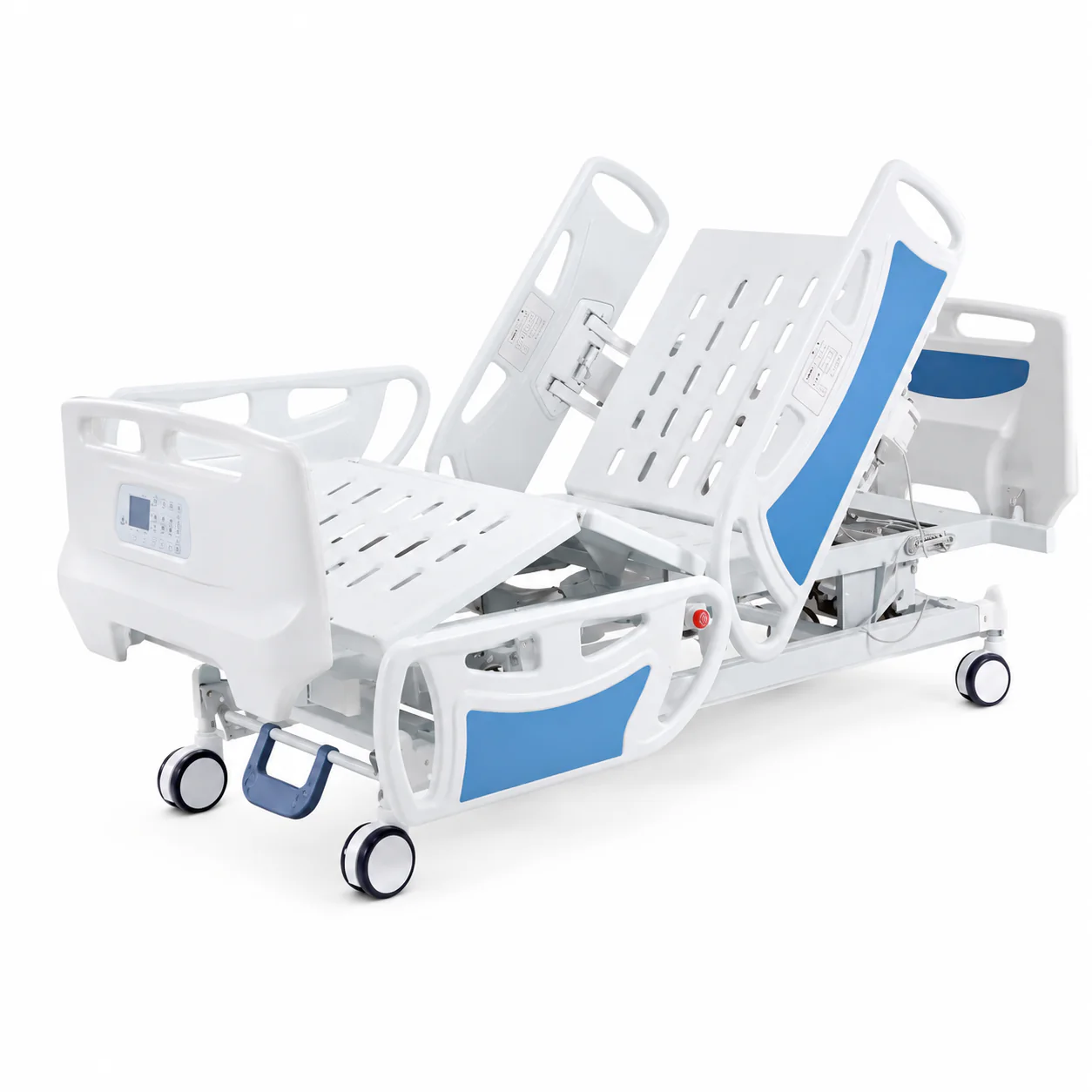
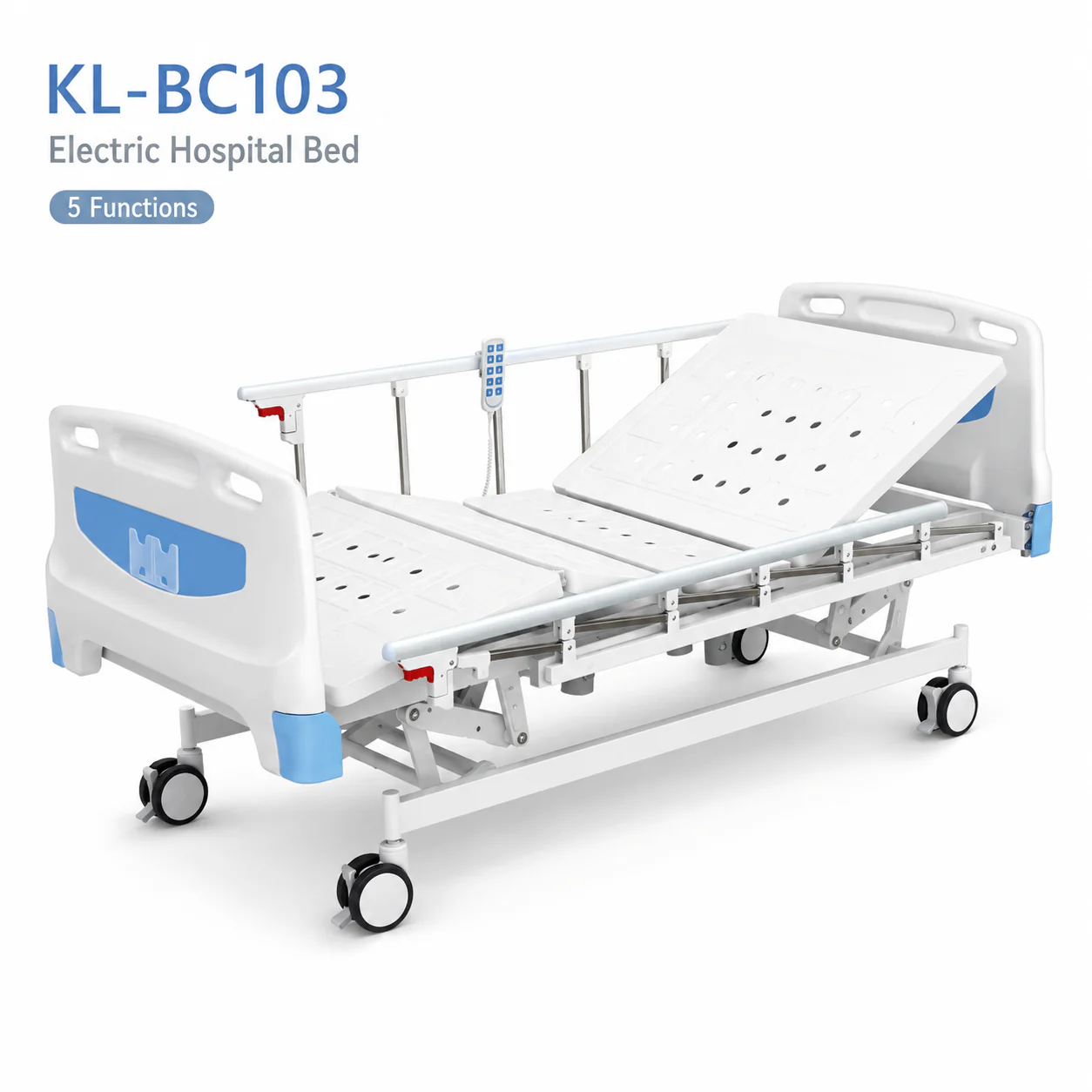
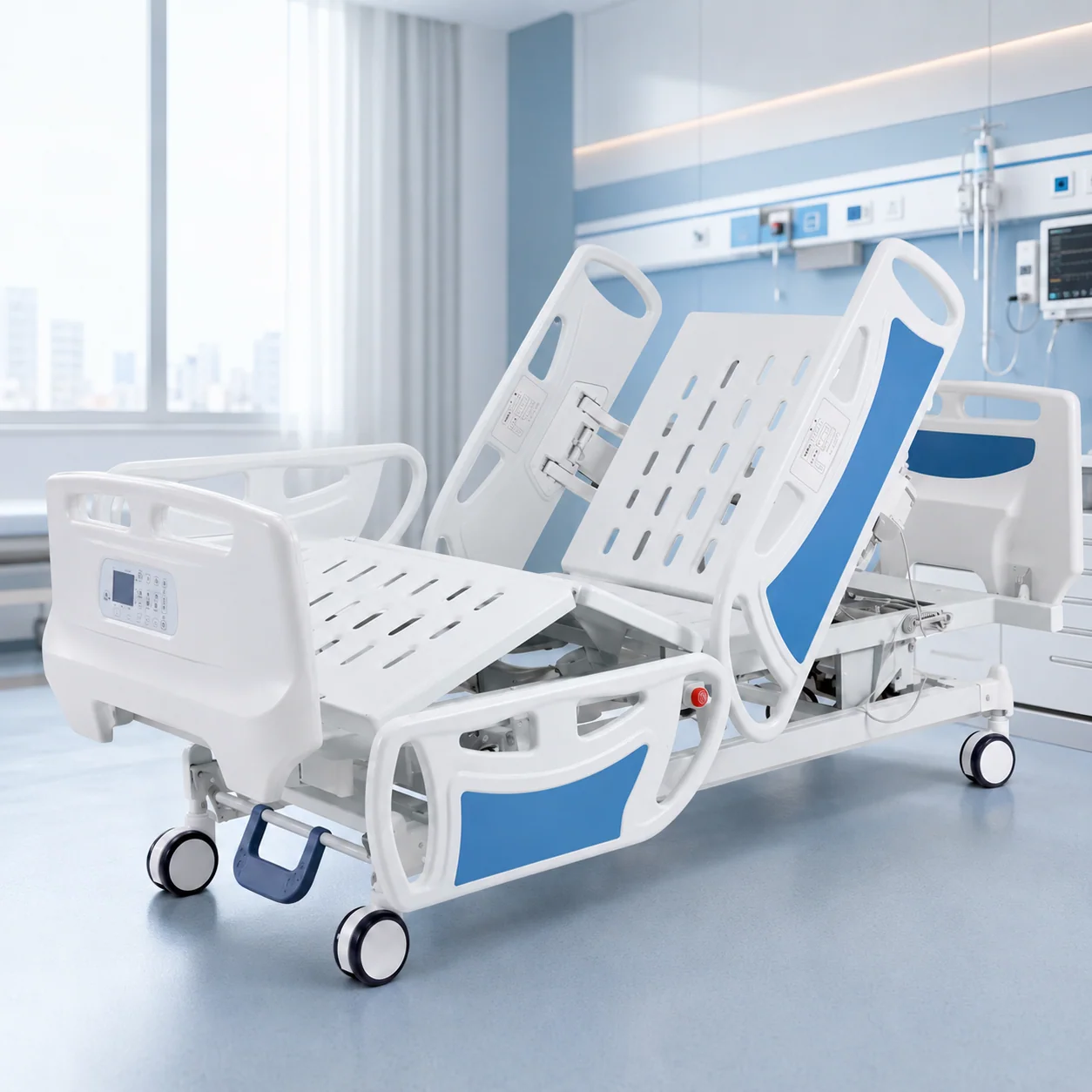
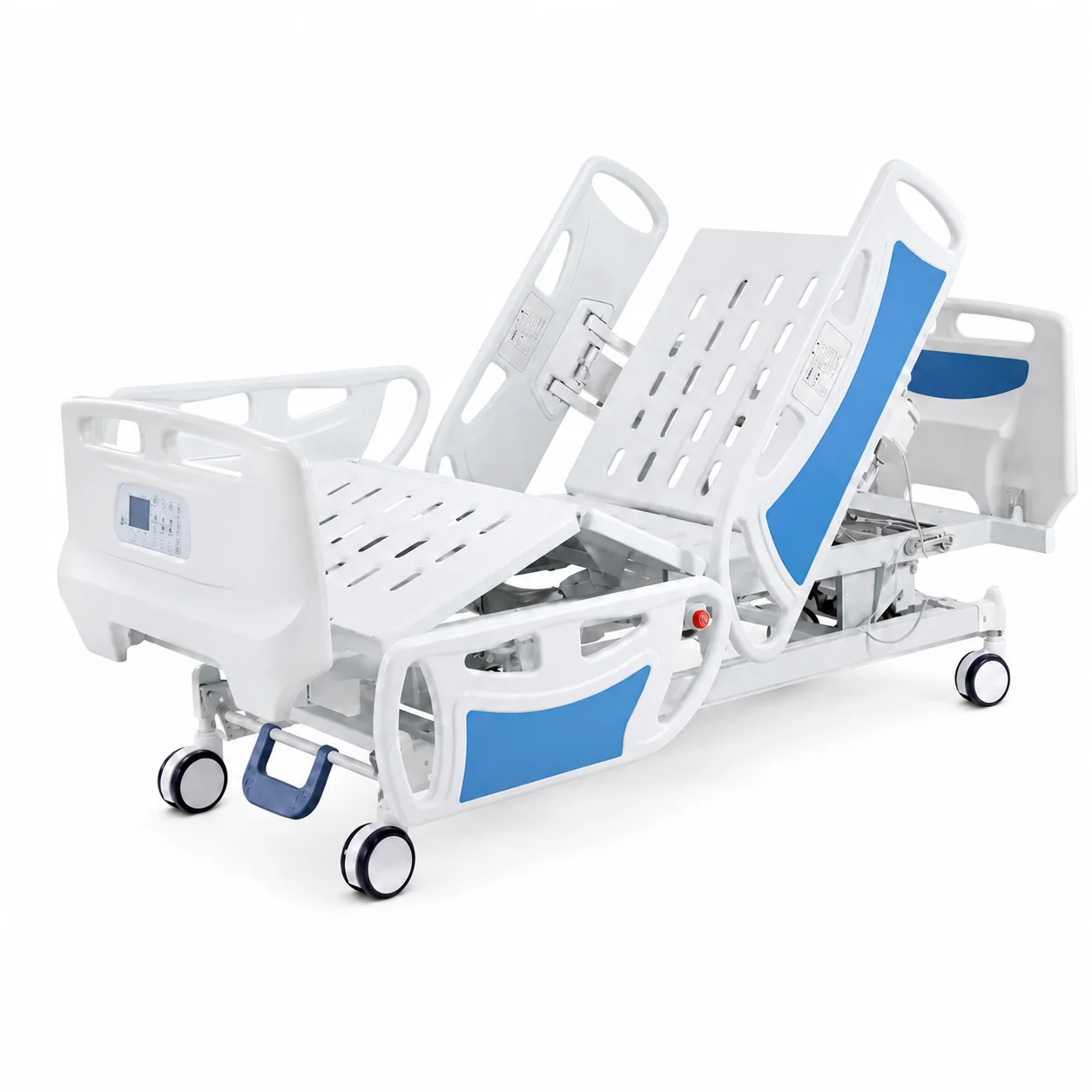
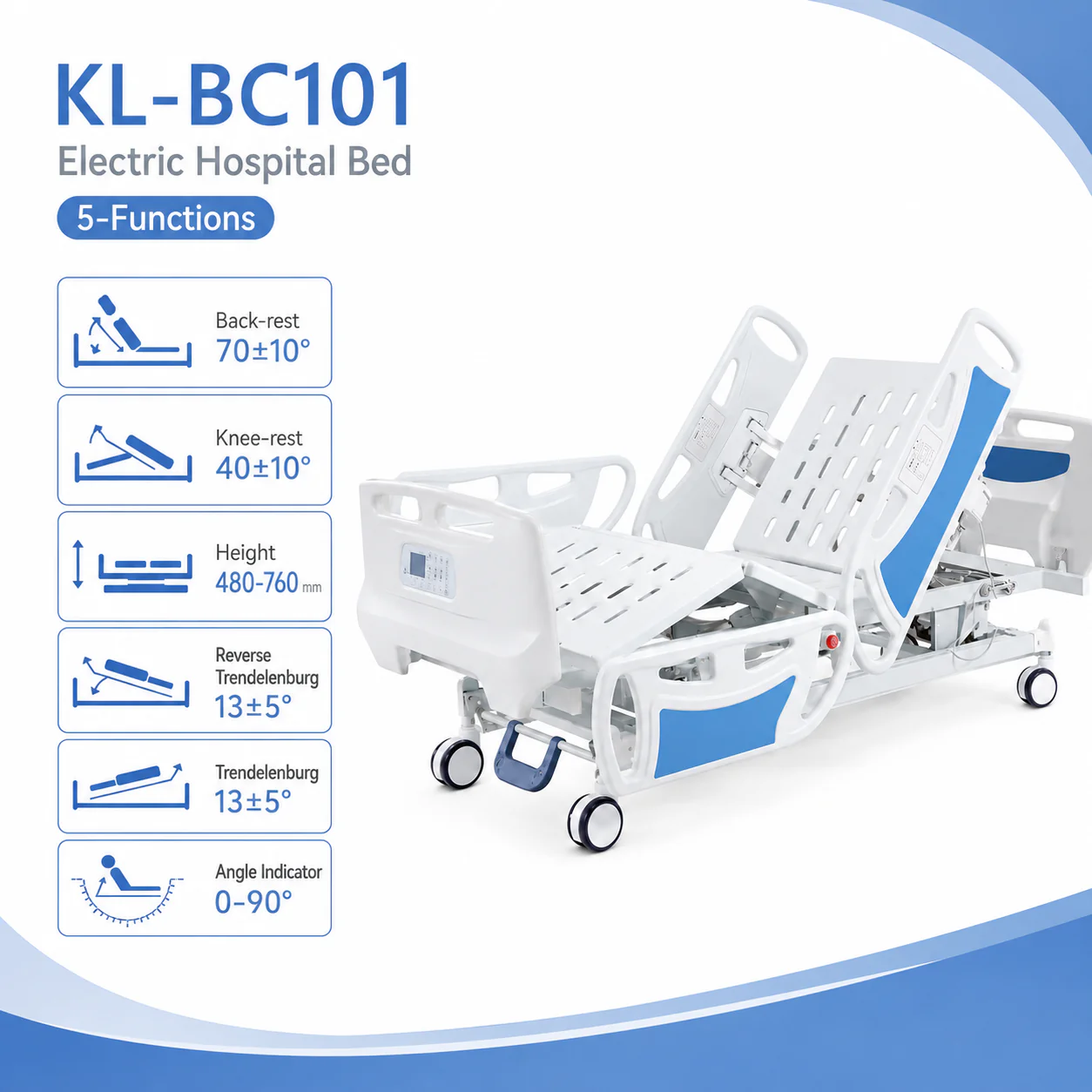
A conventional hospital bed should not be selected for showering simply because it has electric adjustment or a waterproof-looking mattress. For example, the KL-BC101 Electric Hospital Bed is specified in the catalogue as a 5-Function ICU Bed with CPR. Its catalogue description does not identify it as a shower bed. The KL-BC103 Electric Hospital Bed is specified as a 5-Function Ward Bed 240 kg, but that description also does not establish bathing compatibility.
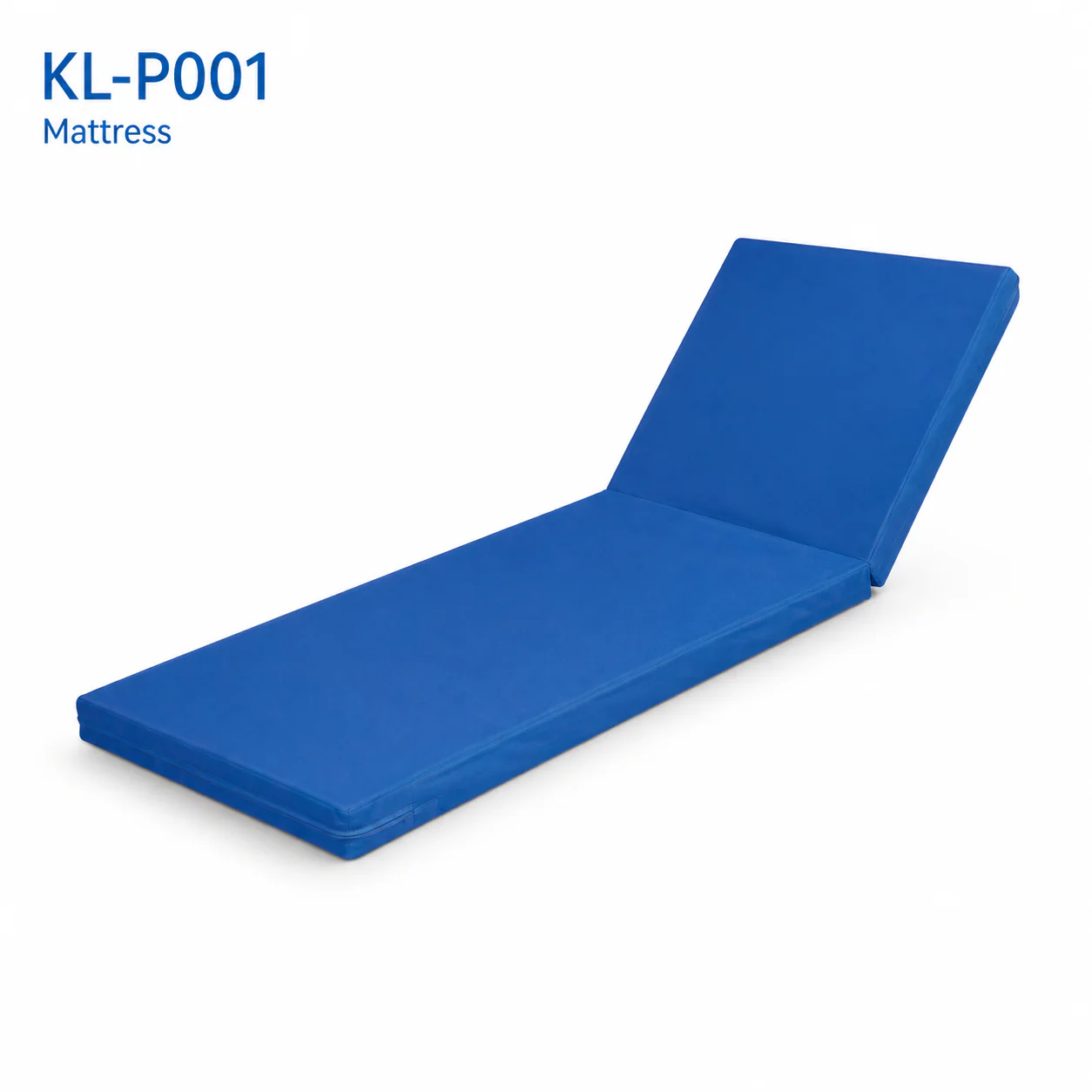
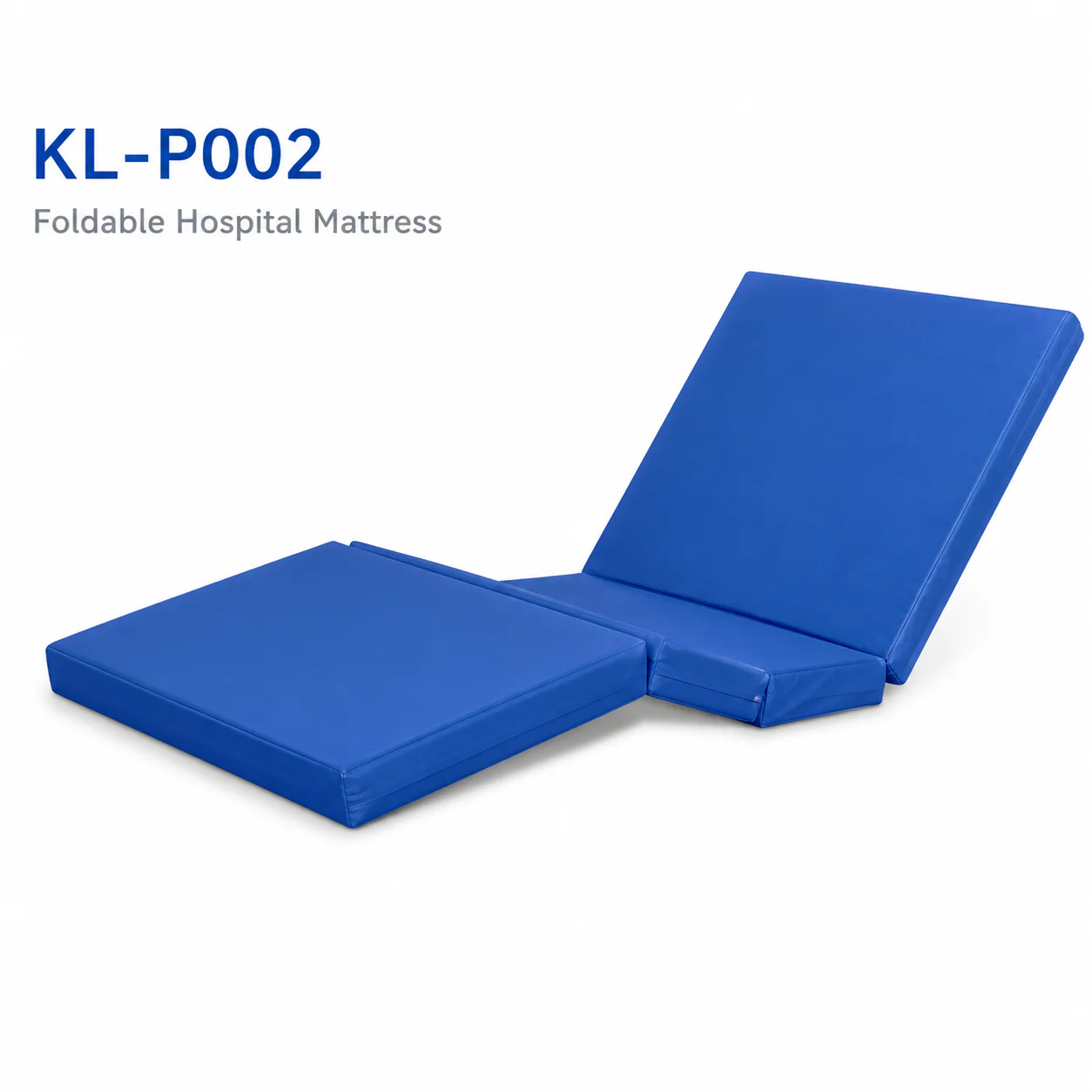
Mattress selection must be treated separately. Keling’s catalogue includes the KL-P001 Mattress, described as a Hospital Bed Mattress with PU or Sponge Fill, and the KL-P002 Mattress, described as a Segmented Hospital Bed Mattress with Palm-Fibre Fill. These catalogue descriptions do not confirm suitability for direct showering, so the required surface, seams, drainage and cleaning scope should be stated in the inquiry.
For broader bed configuration decisions, see the Low Bed Buying Guide for Hospital Procurement and Enclosed Bed Buying Guide for Hospital Procurement. Those bed types address different procurement considerations and should not be treated as substitutes for dedicated bathing equipment.
What to include in a shower beds quotation request
A useful enquiry should give the supplier enough information to confirm whether the requested equipment is available and appropriate for the project. Include:
- Intended setting: hospital ward, nursing home, rehabilitation unit or home-care service.
- User profile and required safe working load.
- Manual or powered transfer method, including hoist compatibility if relevant.
- Required platform dimensions, height range and access clearances.
- Water exposure, drainage and cleaning requirements.
- Electrical supply, charging method and emergency-lowering expectations.
- Required accessories, side supports, mattress or head support.
- Quantity, destination market, installation location and target delivery schedule.
- Documentation required for the tender, including product specifications, quality documents and regulatory information.
Keling operates an ISO 13485 quality system, and company materials also state ISO 9001 and CE. Regulatory scope and validity should be confirmed per model and destination market in the written quotation. Because the current supplied catalogue does not identify a shower bed, buyers should ask Keling to confirm product availability or advise whether a project-specific sourcing route is possible. Contact inquiry@shkeling.com or request a quotation.
How shower beds fit into a wider medical-bed project
Bathing equipment is often purchased alongside general inpatient and rehabilitation equipment. Procurement teams can compare bed functions and accessories through the Hospital Beds category, while pressure-management requirements can be reviewed in the Pressure Relief Mattress: Hospital Buyer’s Guide. These resources help separate ordinary bed, mattress and support-equipment specifications from the dedicated requirements of a shower bed.
Before issuing a purchase order, obtain the final model number, intended-use statement, dimensional drawing, safe working load, water-exposure limits, cleaning instructions, warranty terms and destination-market documentation in writing. This prevents a standard adjustable bed from being incorrectly substituted for specialist bathing equipment.