Choosing a Pressure Relief Mattress for a Hospital Bed
A pressure relief mattress is a hospital-bed mattress selected to support more appropriate pressure distribution and patient positioning requirements within a care environment. For procurement teams, the decision is not simply air versus foam. Mattress construction, bed movement, cleaning processes, replacement planning and compatibility with the existing bed fleet all affect the specification.
The suitable product also depends on where the mattress will be used. An ICU purchasing project may prioritise compatibility with a multi-function electric bed and rapid cleaning workflows, while a general ward may require a simpler, durable configuration. A mattress for pressure point concerns should be evaluated against the hospital’s own clinical and equipment protocols rather than selected from a product name alone.
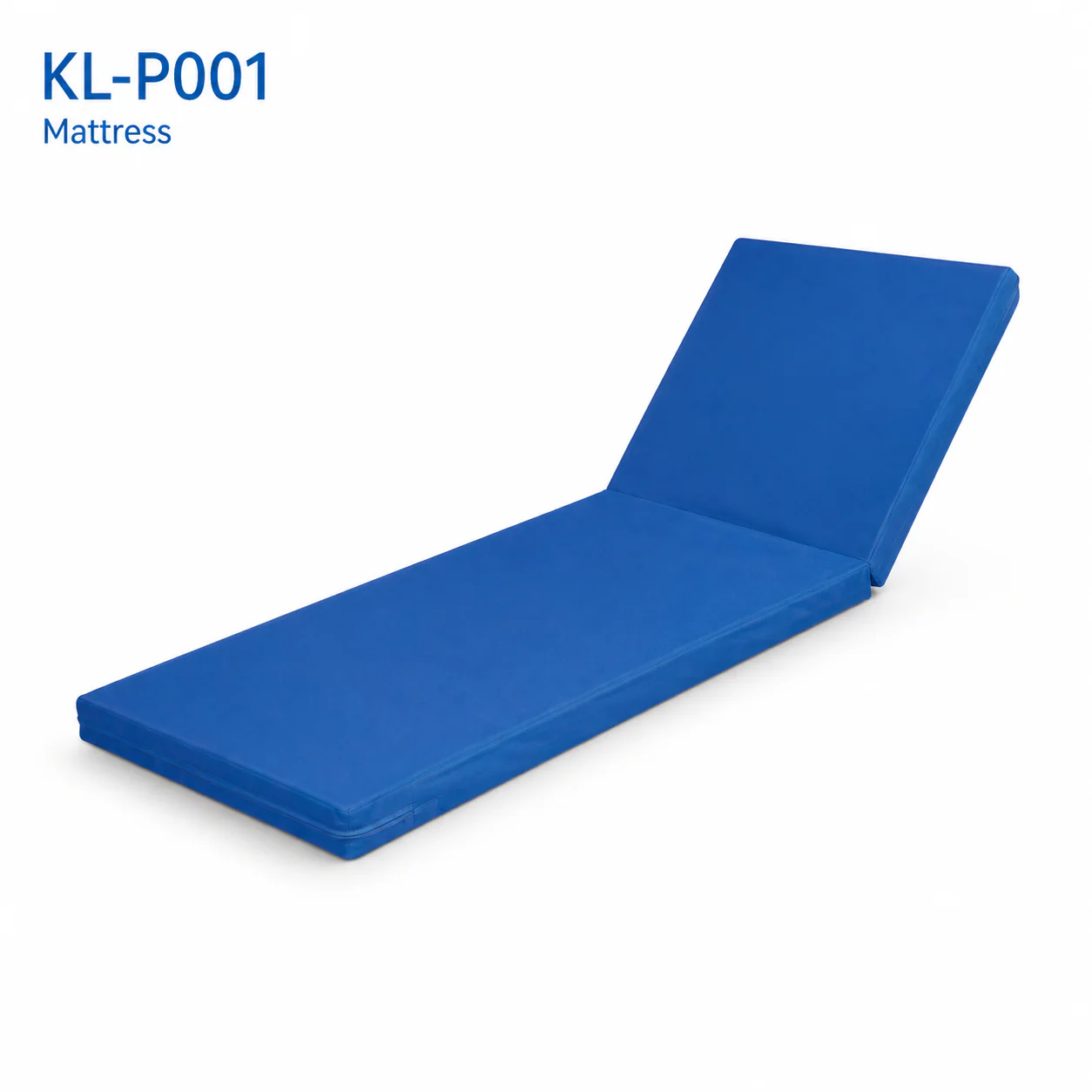
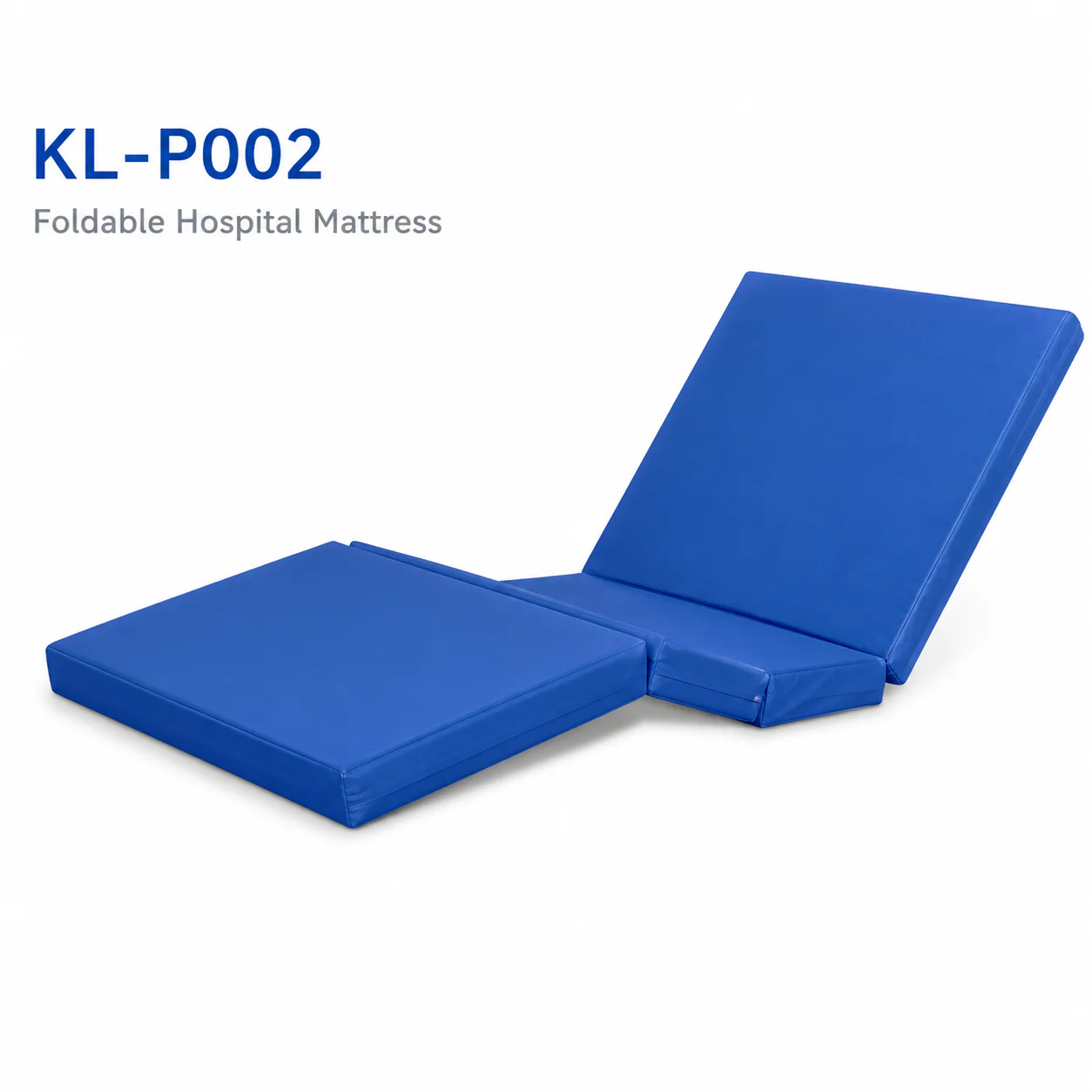
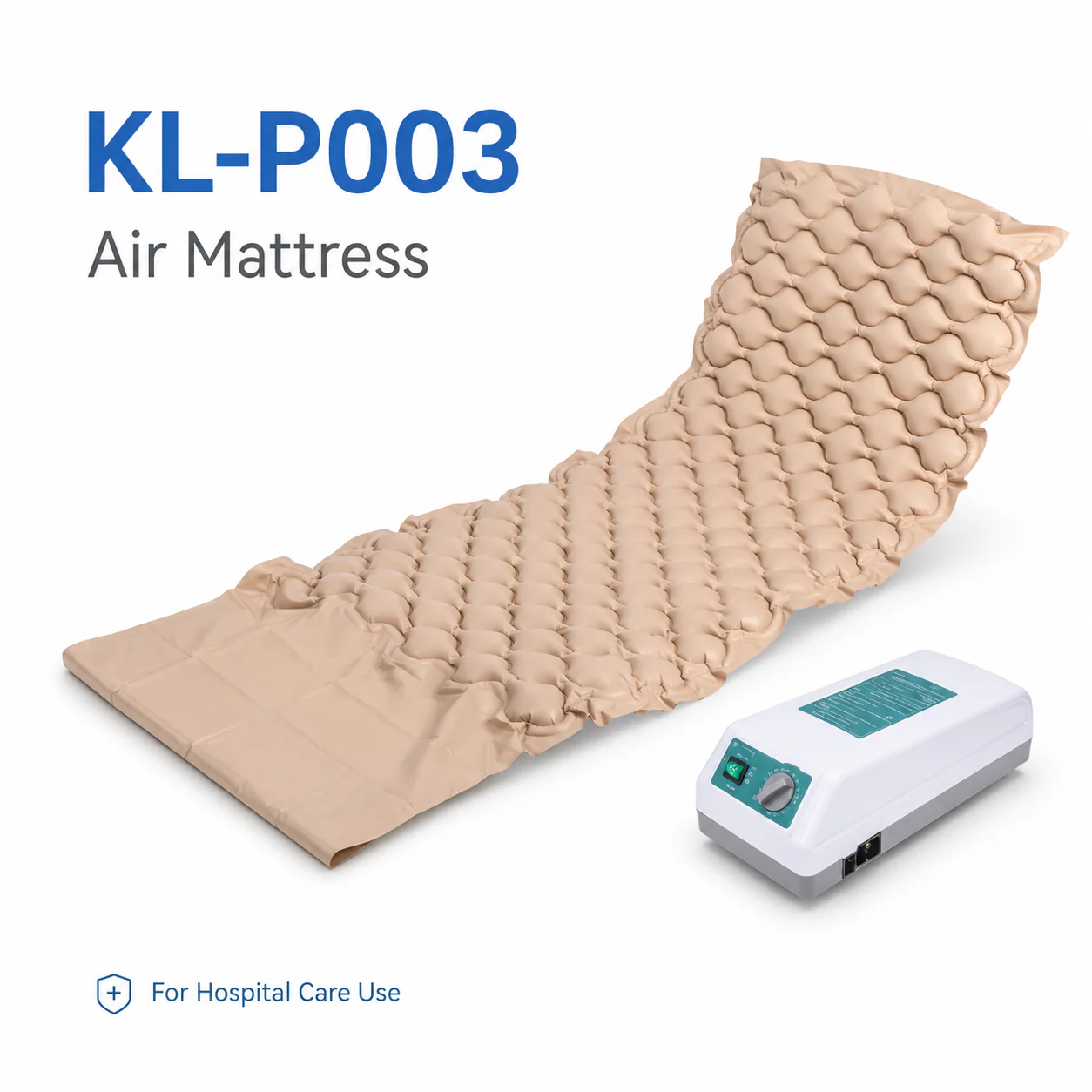
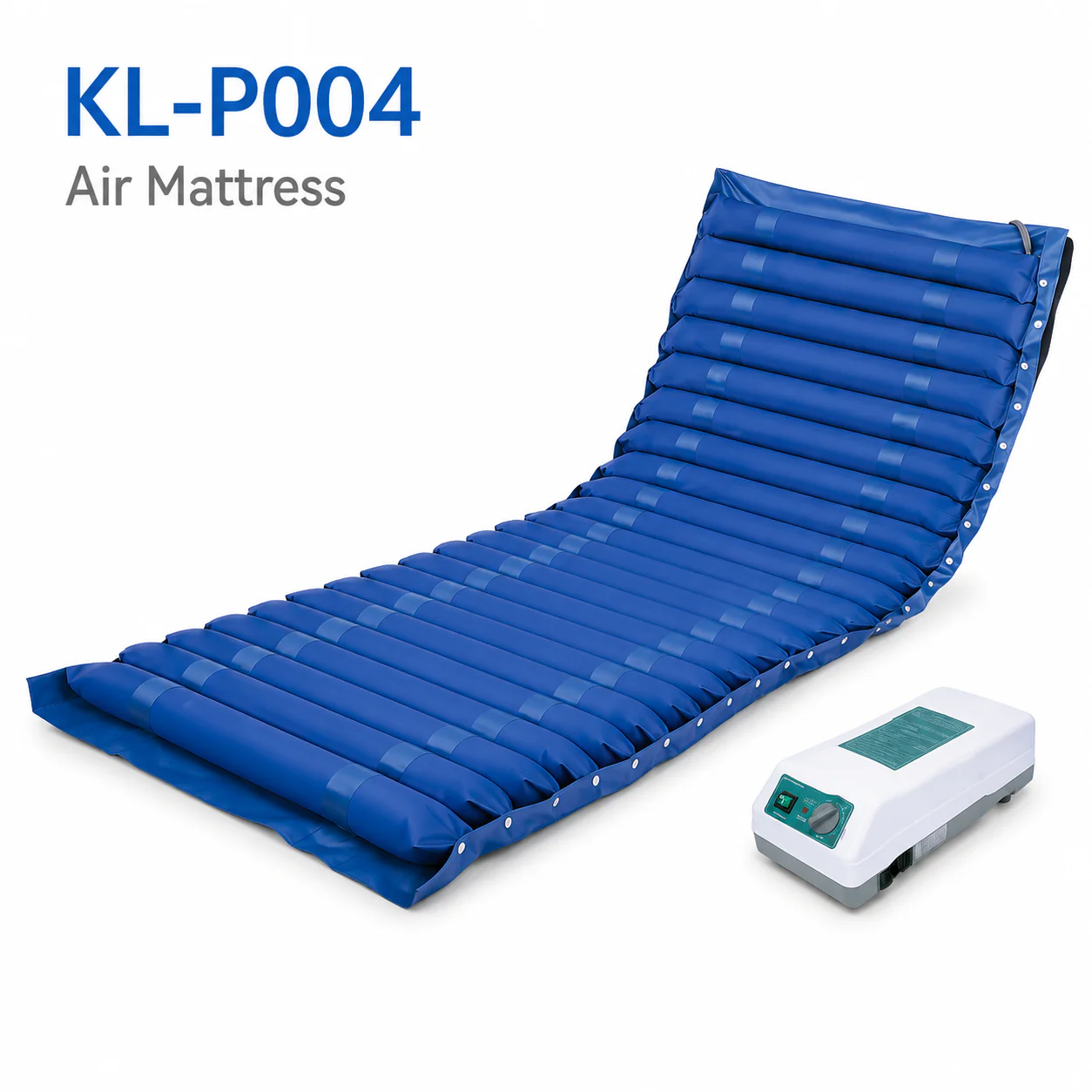
Before requesting prices, define the bed platform, intended department, mattress material, required quantity and any tender documentation. Keling Medical supplies hospital-bed mattress options including KL-P001 Mattress, KL-P002 Mattress, KL-P003 Air Mattress and KL-P004 Air Mattress.
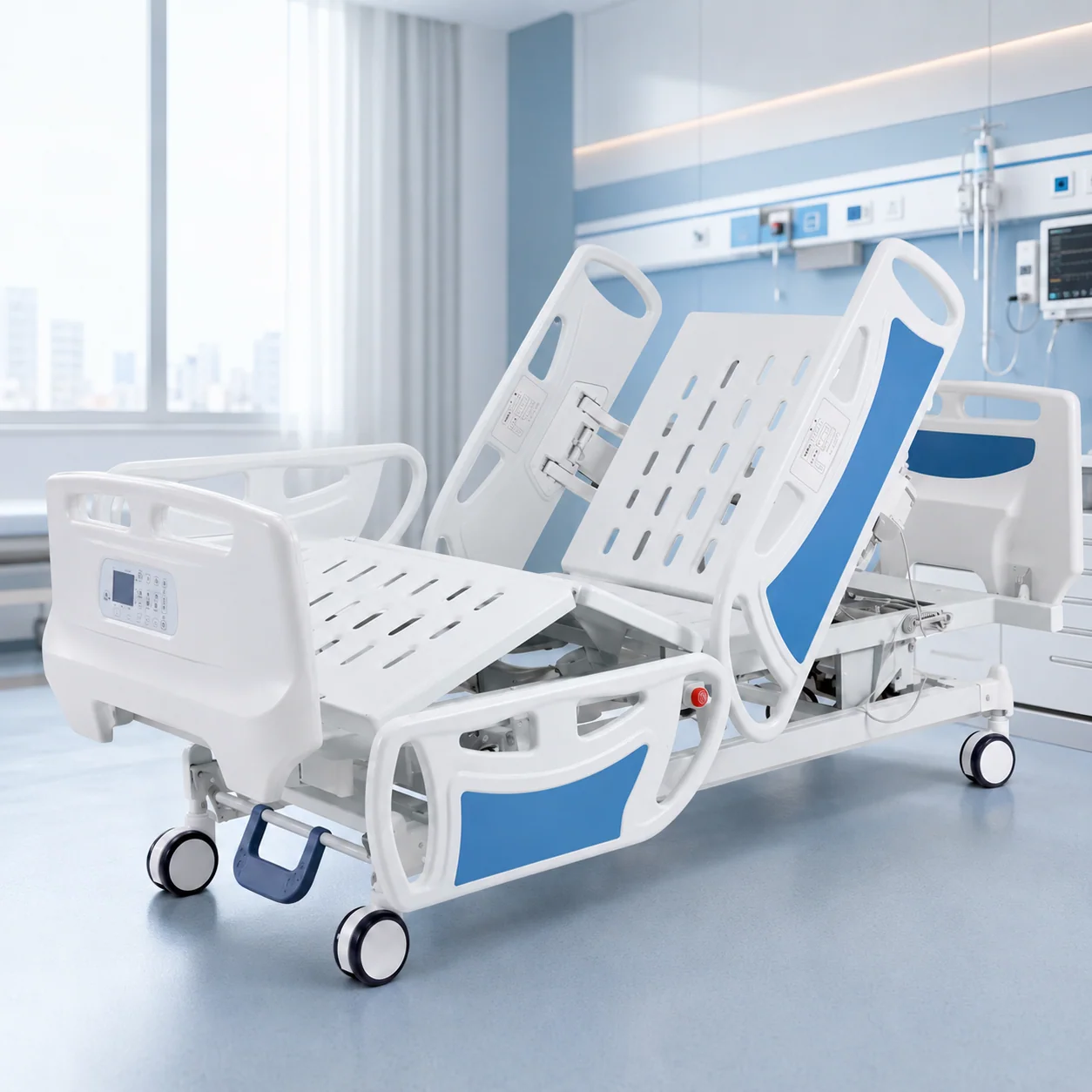
Types of Pressure Relieving Mattresses
The main types of pressure relieving mattresses differ in their support medium and maintenance requirements. The catalogue options below provide a practical starting point for a hospital comparison, but the final selection should follow the project’s written technical specification.
Air mattress options
The KL-P003 Air Mattress is described as a bubble air mattress for hospital beds, while the KL-P004 Air Mattress is described as a tubular air mattress for hospital beds. These constructions are different product configurations, so buyers should request the complete quotation specification before comparing them. Confirm whether an air pump, control unit, accessories or replacement components are included in the offered configuration.
Air mattresses may be considered where the purchasing team wants an air-based support surface. However, the tender should define installation, operating environment, cleaning method, power requirements if applicable, maintenance responsibility and warranty scope. Do not assume that two air mattress designs have the same operating characteristics simply because both are described as air mattresses.
Foam and fibre-based mattresses
A pressure relieving foam mattress can be appropriate when the hospital prefers a non-air mattress construction. The KL-P001 Mattress is listed with PU or sponge fill, giving buyers two material descriptions to clarify during quotation. Ask the supplier to state which fill and cover configuration is being offered, rather than treating the product name as a complete specification.
The KL-P002 Mattress is a segmented hospital-bed mattress with palm-fibre fill. Its segmented construction should be reviewed against the bed’s articulation points, mattress dimensions and intended positioning. Procurement teams should also confirm the cover material, seam construction, cleaning instructions and whether replacement covers or individual sections are available.
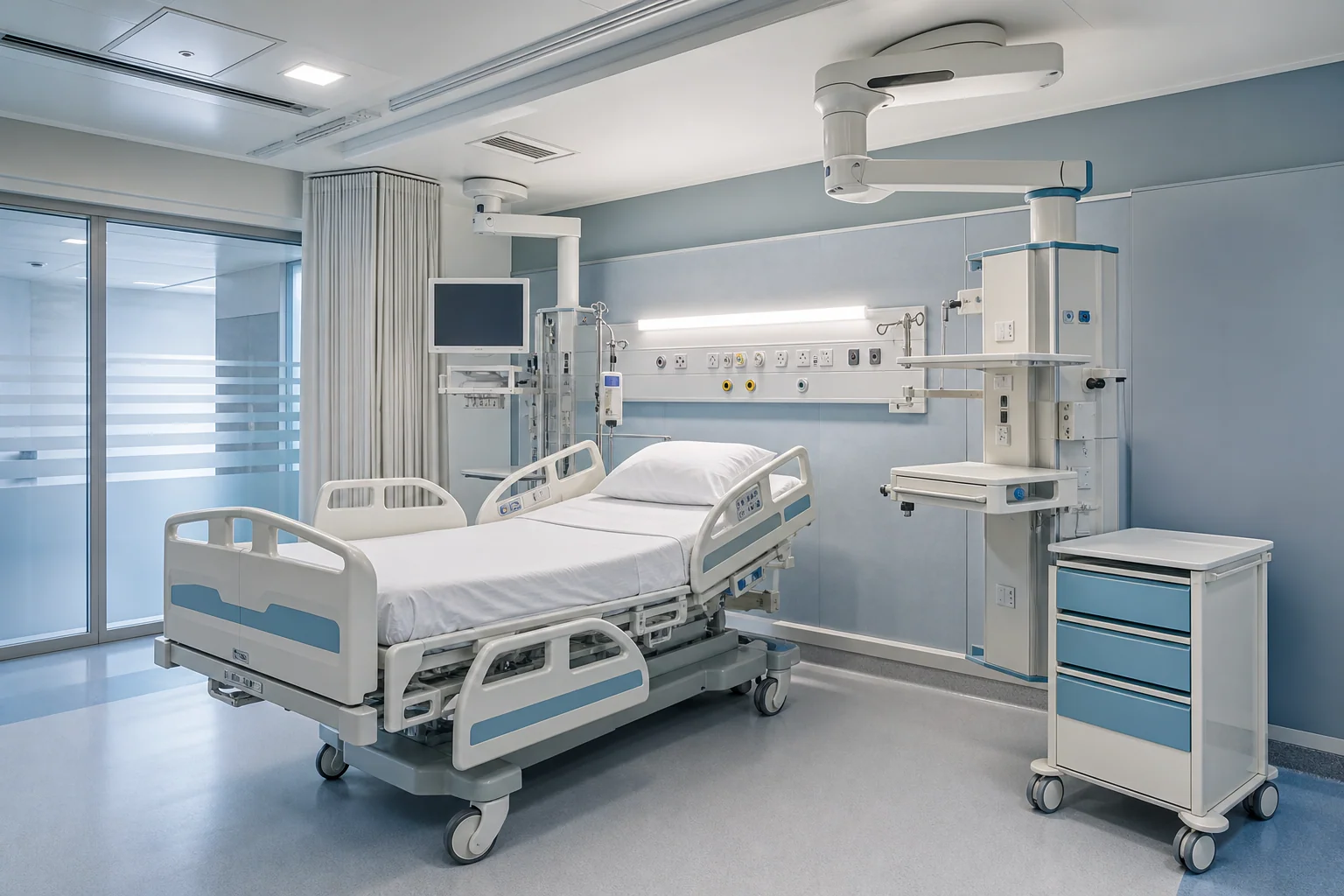
Pressure Relief Bed Compatibility Checklist
A pressure relief bed is not defined by the mattress alone. The mattress and bed frame must work as a complete equipment combination. Check the following points before issuing a purchase order:
- Bed dimensions: Confirm the mattress length, width and thickness against the deck and side-rail arrangement of the receiving bed.
- Bed movement: Establish whether the bed uses backrest, knee-rest, height, Trendelenburg or other adjustments. The mattress must be suitable for the planned range of movement.
- Load information: Request the applicable mattress load or user-weight information in the quotation. Do not infer it from the load rating of the bed frame.
- Mattress construction: Specify bubble air, tubular air, PU, sponge or palm-fibre construction where relevant.
- Cover and cleaning: Confirm cover material, fluid-resistance description if offered, cleaning agents, disinfection method and drying requirements.
- Accessories: Ask whether the offer includes a pump, tubing, control equipment, straps or other components required for operation.
- Documentation: Request product drawings, packing details, warranty terms, inspection documents and user instructions for the exact configuration.
For a broader frame-and-function comparison, procurement teams can also review the Surgery Bed Buying Guide when the mattress will be used with procedure-related equipment. For air-based products, the Air Mattress for Hospital Bed: Buyer’s Guide provides a more focused comparison route.

Comparing Mattress Materials for Procurement
Material selection involves trade-offs rather than a universal winner. Air designs may require more operational components and a defined maintenance process. Foam or sponge-filled designs may simplify the product structure, but the buyer still needs clear information about the cover, cleaning process and replacement policy. Palm-fibre construction should be reviewed for segmentation, compatibility and the hospital’s handling requirements.
A useful tender matrix should compare each offered model under the same headings: support medium, cover material, dimensions, bed compatibility, cleaning instructions, included accessories, packaging, warranty and spare-part availability. Ask suppliers to identify any optional features separately from the standard supply so that bids can be compared fairly.
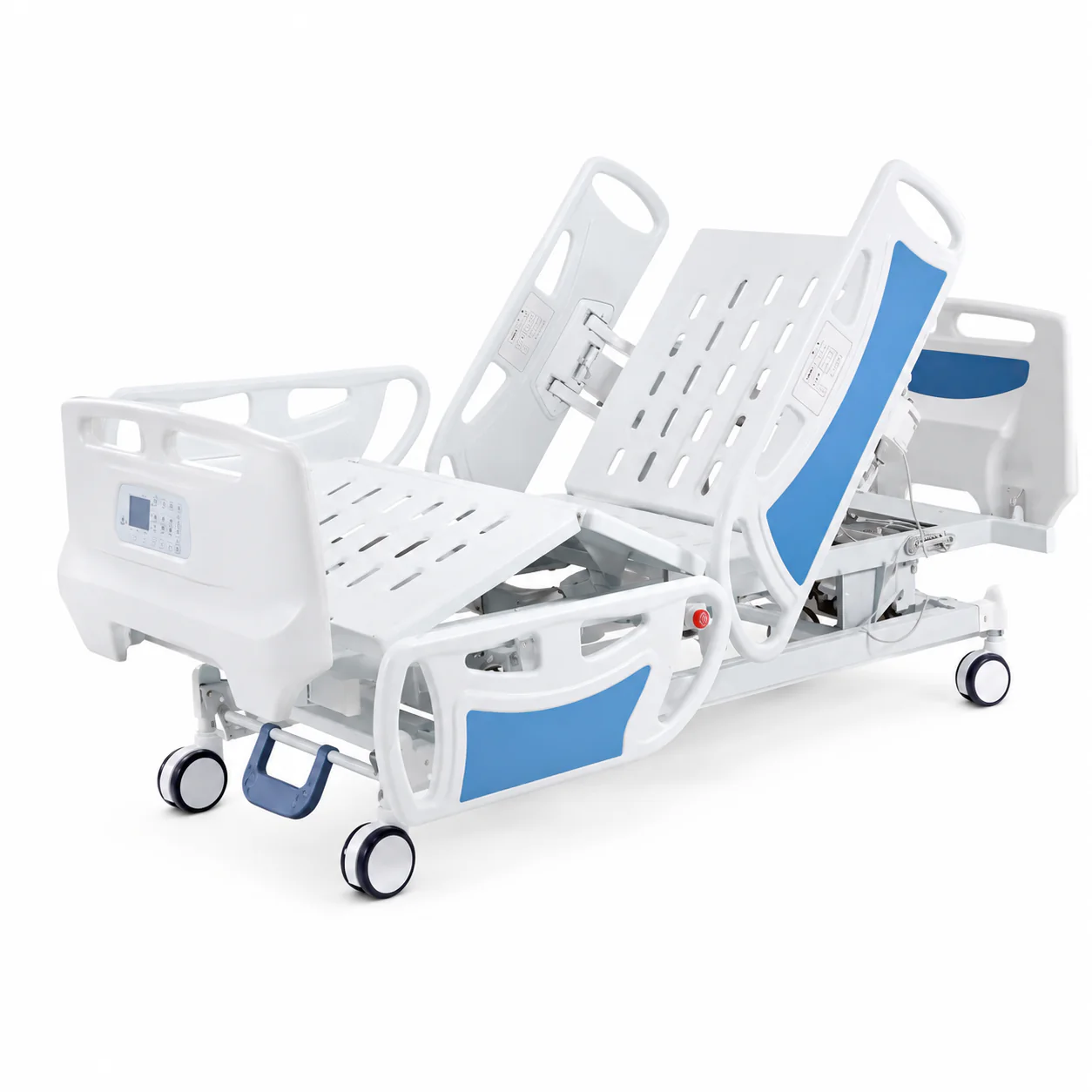
The mattress should also be matched to the hospital bed model. For example, Keling’s KL-BC101 Electric Hospital Bed is described as a 5-function ICU bed with CPR, while KL-BC103 Electric Hospital Bed is described as a 5-function ward bed 240 kg. These descriptions identify different bed configurations; they do not by themselves confirm mattress compatibility. Request written confirmation for the exact bed and mattress combination.
What to Confirm Before Ordering
For a transactional enquiry, send the supplier enough information to prepare a technically relevant quotation. Include the destination market, hospital department, quantity, required delivery schedule, bed model or platform dimensions, preferred mattress type and any tender clauses. If the project requires a particular material, state it explicitly rather than requesting a general “pressure relief mattress.”
Also request the applicable regulatory and quality documentation for the exact model and destination market. Keling Medical operates an ISO 13485 quality system, and company materials also state ISO 9001 and CE. Scope and validity should be confirmed per model and destination market in the written quotation.
A final pre-order review should check the commercial offer against the approved technical schedule. Confirm model designation, quantity, unit configuration, packaging, shipping terms, warranty, spare parts, installation or commissioning requirements and after-sales contact. If several bed models are included in one hospital project, ask for a compatibility table rather than relying on a general statement that the mattress is suitable for hospital beds.
To request a quotation from Keling Medical, contact inquiry@shkeling.com or +86 150 0064 9020. Keling Medical is a B2B manufacturer and exporter serving distributors, hospital projects and tender buyers; enquiries should include the purchasing organisation and project context.