What is a rotating bed?
A rotating bed is generally understood as a medical bed with a powered or assisted movement that changes the patient’s orientation or helps transfer the user between lying, sitting and standing positions. In procurement searches, the term may describe several different designs: a rotating hospital bed, a turning bed, a swivel bed, or a bed that changes into a chair.
These terms are not interchangeable. Some products rotate the mattress platform; others tilt or elevate the backrest, raise the overall bed height, or move the patient toward a sitting position. A 360 rotating bed may imply full circular rotation, but this must be confirmed in the technical offer rather than assumed from the product name.
For hospitals, the first question is therefore functional: does the project require patient repositioning, assisted transfer, chair conversion, or simply a height-adjustable electric bed? The answer affects the frame, mattress, side rails, clearance, control system, maintenance plan and installation requirements.
Rotating hospital bed functions to compare
A buyer comparing a rotating medical bed should separate the requested movement into measurable functions. Ask suppliers to describe the movement path, operating direction, control method and permitted load for each function.
Turning and rotation
A turning bed may rotate the patient laterally or change the bed’s orientation in relation to the room. Confirm the rotation angle, locking positions, minimum clearance around the frame and whether rotation is possible with side rails raised. If the requirement is a 360 rotating bed, request a drawing or written description showing how the bed achieves full rotation and how cables, castors and accessories are managed.
Chair conversion and sit-to-stand movement
A hospital bed that turns into a chair normally requires coordinated movement of the backrest, knee section, seat area and sometimes the base. A sit to stand bed or rotating sit to stand bed may also include a lift or forward-transfer movement. Buyers should confirm whether the design merely creates a seated posture or actively supports standing transfer. These are different procurement requirements.
The phrase sleep to stand bed is also used for equipment intended to help a user move from a horizontal sleeping position to an upright standing position. “Sleeping stand” is not a sufficiently precise technical description for a tender. Specify the exact stages required: flat sleeping, back elevation, seated position, foot placement, standing assistance and return to bed.
Adjustable-bed functions
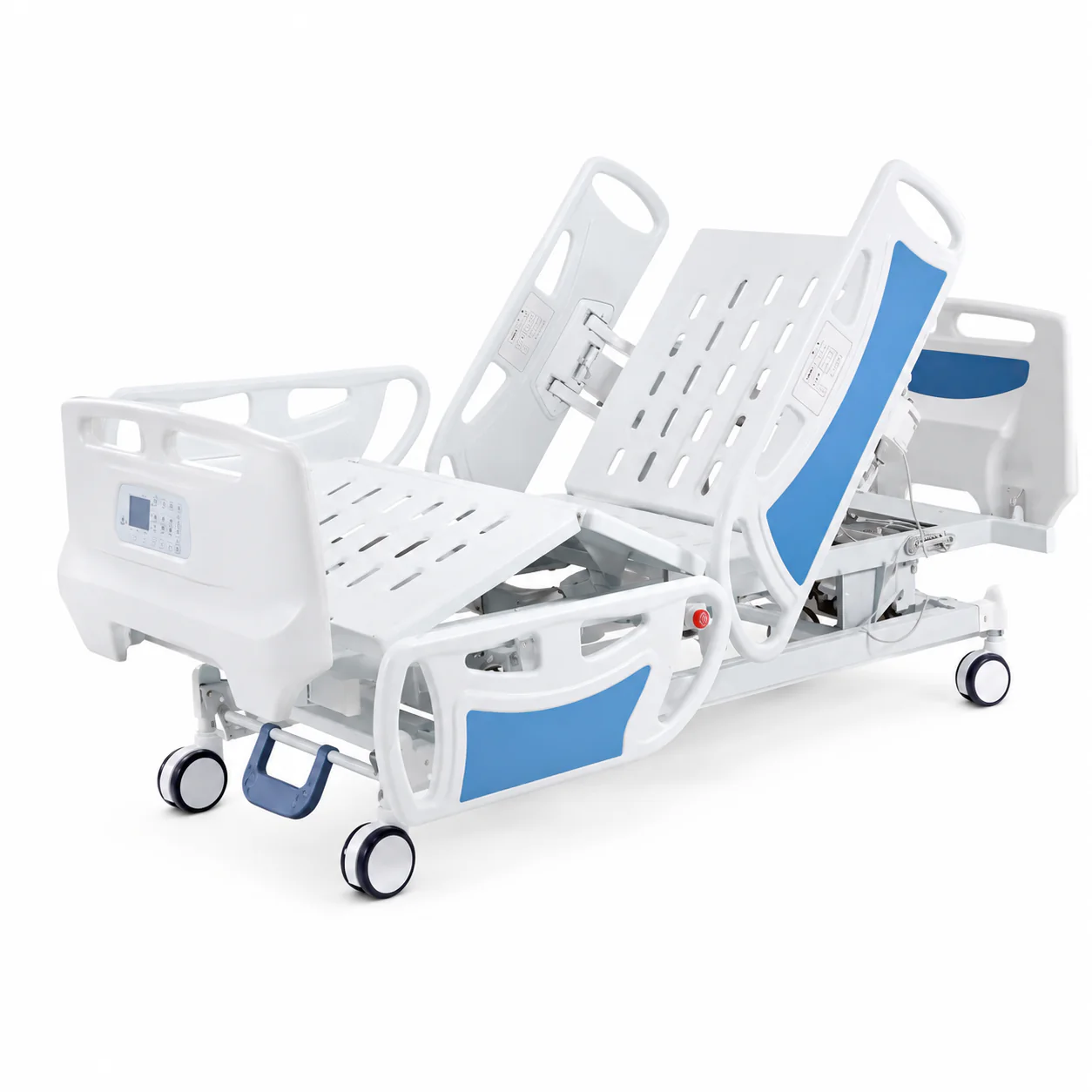
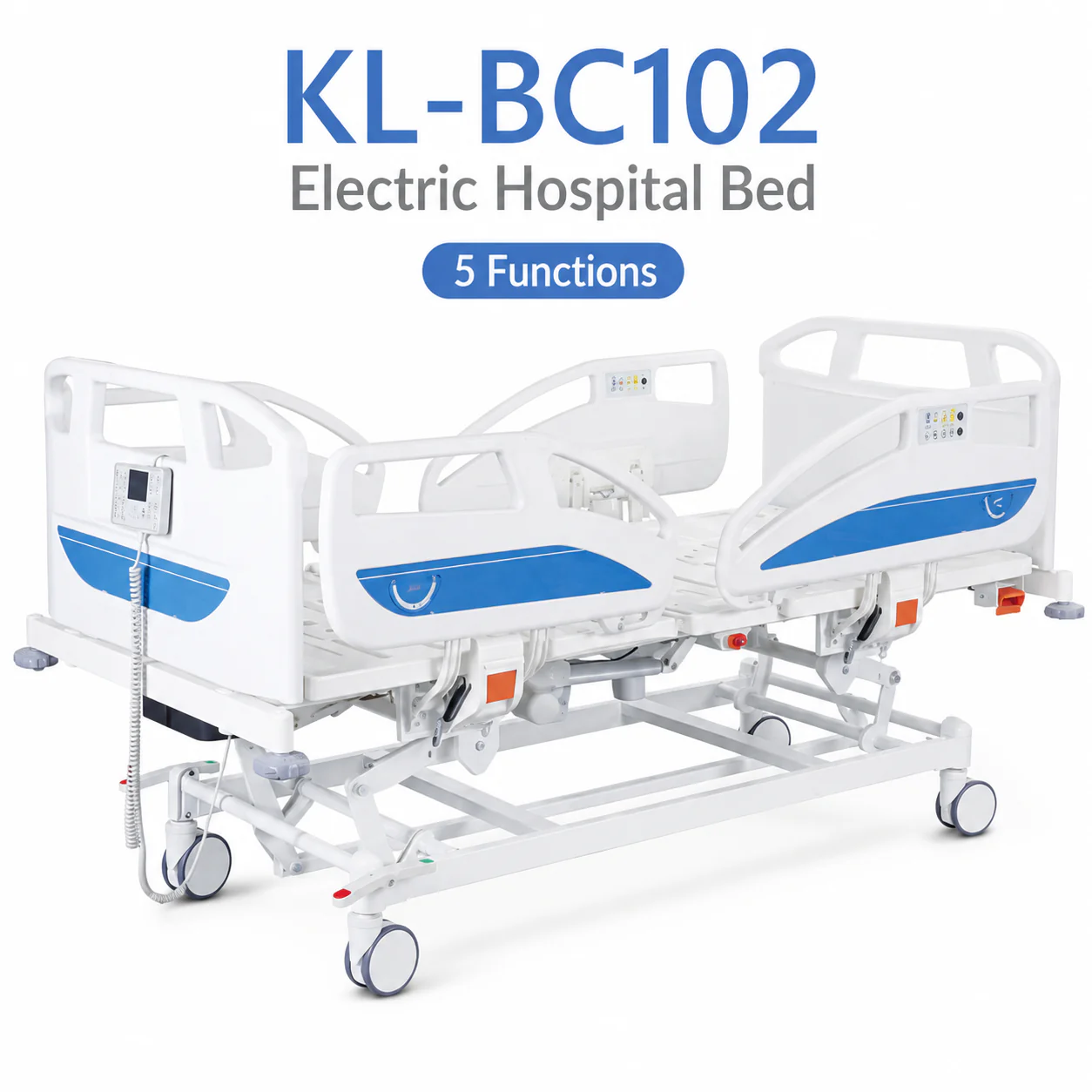
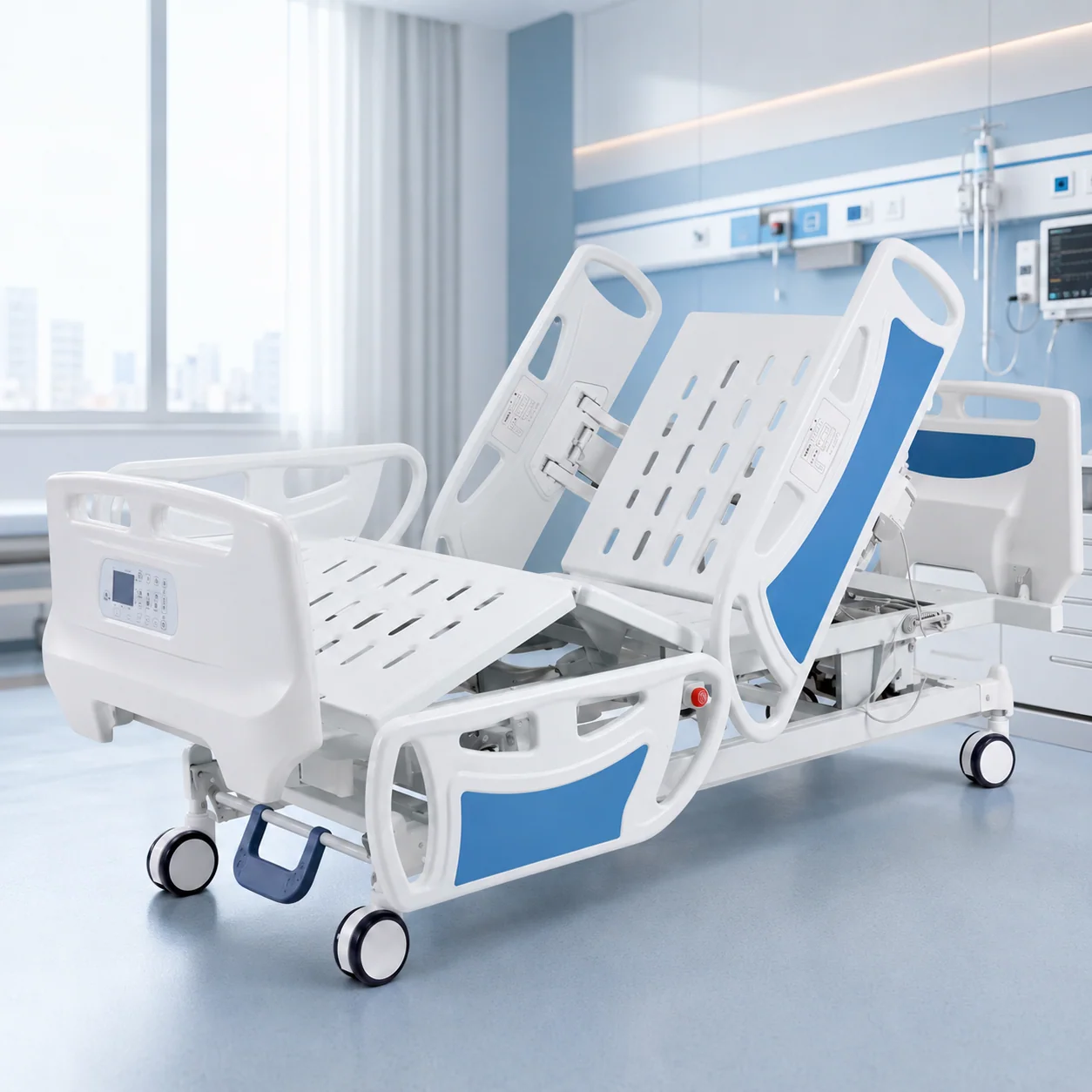
A rotating adjustable bed may offer electric adjustment without any rotating platform. For example, the Keling catalogue includes several electric hospital beds described by function rather than rotation. KL-BC101 Electric Hospital Bed is listed as a 5-Function ICU Bed with CPR, while KL-BC102 Electric Hospital Bed is listed as a 5-Function Bed with Dual Return.
These catalogue descriptions should not be interpreted as evidence of a rotating, chair-conversion or sit-to-stand mechanism. If your project requires any of those functions, request written confirmation of availability and specifications for the exact model and destination market.
Rotating bed for elderly and rehabilitation projects
A rotating bed for elderly users or a sleep to stand bed for seniors may be evaluated for assisted transfers, rehabilitation areas, long-term-care facilities or ward upgrades. Procurement teams should focus on operational suitability rather than the search label alone.
Important questions include whether the user can operate the control, whether staff must supervise every movement, how the bed is stabilized during transfer, and whether the mattress remains correctly positioned during movement. Also assess side-rail access, emergency lowering, manual override, power-failure procedures and compatibility with lifting equipment.
For rehabilitation purchasing, clarify whether the bed is intended for independent transfer practice or staff-assisted transfer. A lift to stand bed can mean a bed that raises the user, a bed with a standing platform, or a bed that elevates the whole frame. The supplier’s quotation should define the mechanism and intended operating procedure.
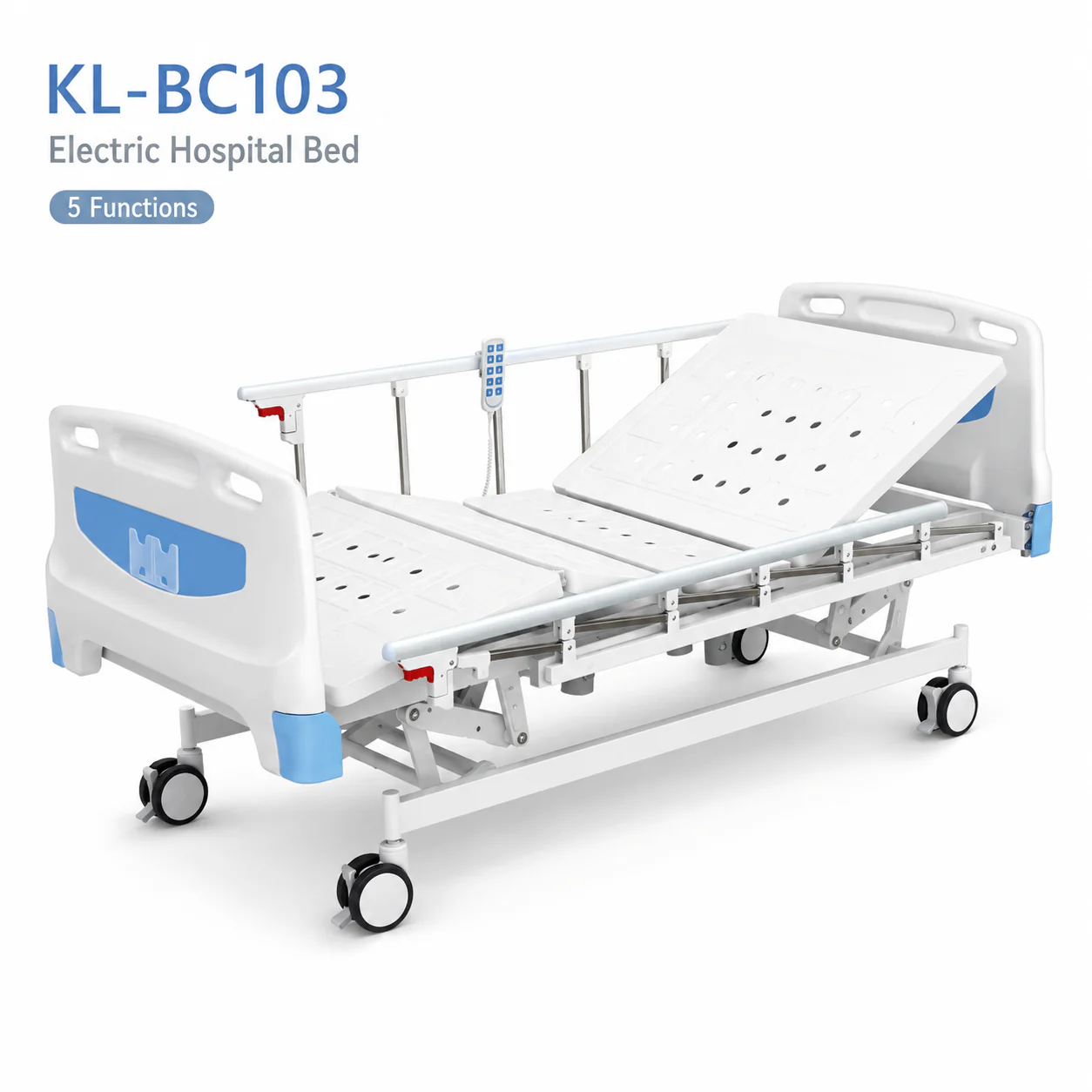
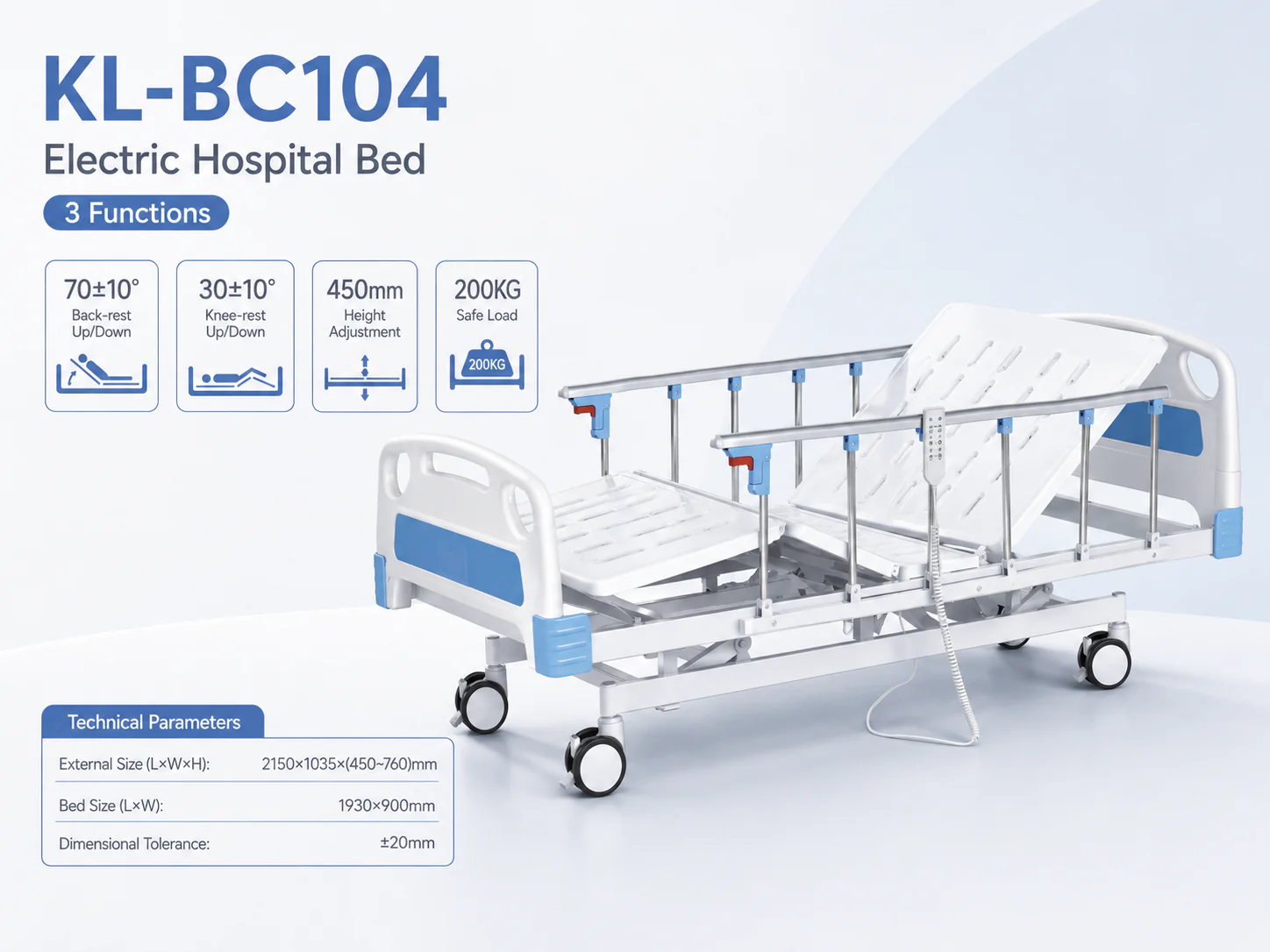
A low-height requirement may be more important than rotation for some projects. Keling’s KL-BC104 Electric Hospital Bed is listed as a 3-Function Electric Bed 200 kg, while KL-BC103 Electric Hospital Bed is listed as a 5-Function Ward Bed 240 kg. These models may be suitable for comparison when the project mainly needs electric positioning and stated load capacity, but their listed catalogue descriptions do not establish rotating or standing-assistance functions.
For broader equipment planning, review the Low Bed Buying Guide for Hospital Procurement and the Pressure Relief Mattress: Hospital Buyer’s Guide. A specialist movement system still needs a mattress and support configuration appropriate to its movement range.
Procurement checklist for a rotating bed
Before requesting prices, prepare a functional specification rather than sending only the keyword “rotating bed.” Include the following points:
- Movement required: lateral turning, platform rotation, chair conversion, sit-to-stand assistance, or a combination.
- Rotation range: state whether partial rotation is acceptable or whether a 360 rotating bed is required.
- Clinical area: ward, ICU, emergency, rehabilitation, long-term care or another department.
- Load requirement: provide the required safe working load and ask the supplier to state the catalogue value for the quoted model.
- Control method: handset, nurse control panel, independent staff control, manual override and emergency operation.
- Safety configuration: side rails, locking positions, anti-entrapment provisions, castors, braking and power-failure arrangements.
- Room constraints: doorway width, floor clearance, wall clearance, accessory clearance and storage position.
- Mattress and accessories: confirm mattress type, IV pole, traction frame, overbed table and compatibility with the selected movement.
- Service requirements: installation, operator training, spare parts, warranty terms and preventive maintenance documentation.
- Regulatory documentation: confirm scope and validity per model and destination market in the written quotation.
A project may need a standard electric bed plus a transfer aid rather than a dedicated rotating platform. Conversely, a rehabilitation or care project may require a true chair-conversion or standing-assistance system. Comparing the movement specification prevents a supplier from quoting a conventional adjustable bed against a specialist tender requirement.
How to request a rotating bed quotation
Send the supplier the intended application, quantity, destination country, required functions, load requirement, electrical conditions and delivery timeline. Include photographs or a room plan when clearance and access are important. Ask for the exact model number, technical datasheet, dimensions, movement diagram, included accessories and any optional items.
Keling Medical is a Shanghai-based manufacturer and export and sales centre founded in 1996. Company materials state that it manufactures 310 models across 12 categories and operates an ISO 13485 quality system; they also state ISO 9001 and CE. Regulatory scope and validity should be confirmed per model and destination market in the written quotation.
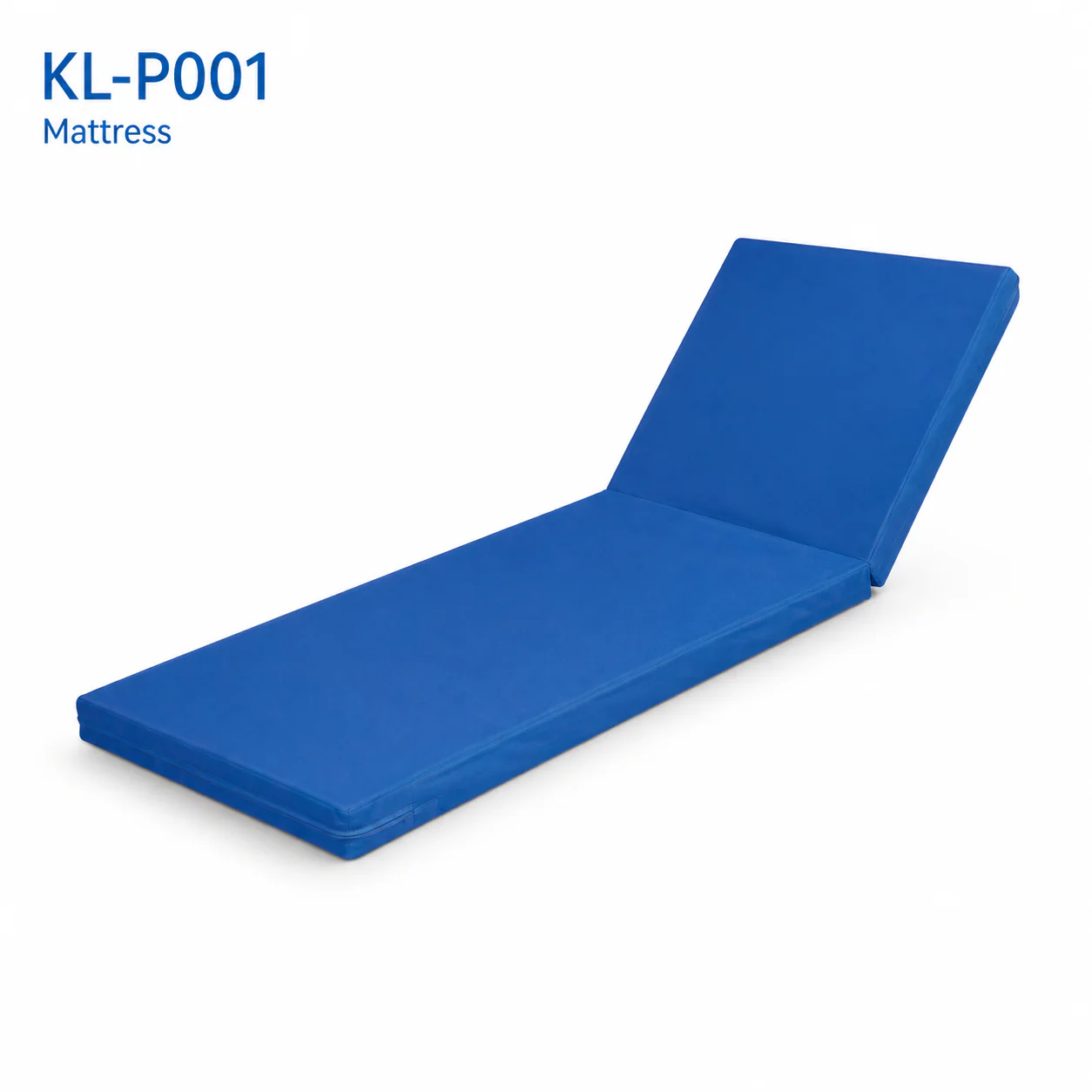
For related bed components, procurement teams can also compare the KL-P001 Mattress and review the Alternating Pressure Mattress Buyer’s Guide. To discuss a project requirement, contact Keling Medical at inquiry@shkeling.com or +86 150 0064 9020, or submit the specifications through the hospital equipment quotation page.