What does footboard medical mean in hospital-bed procurement?
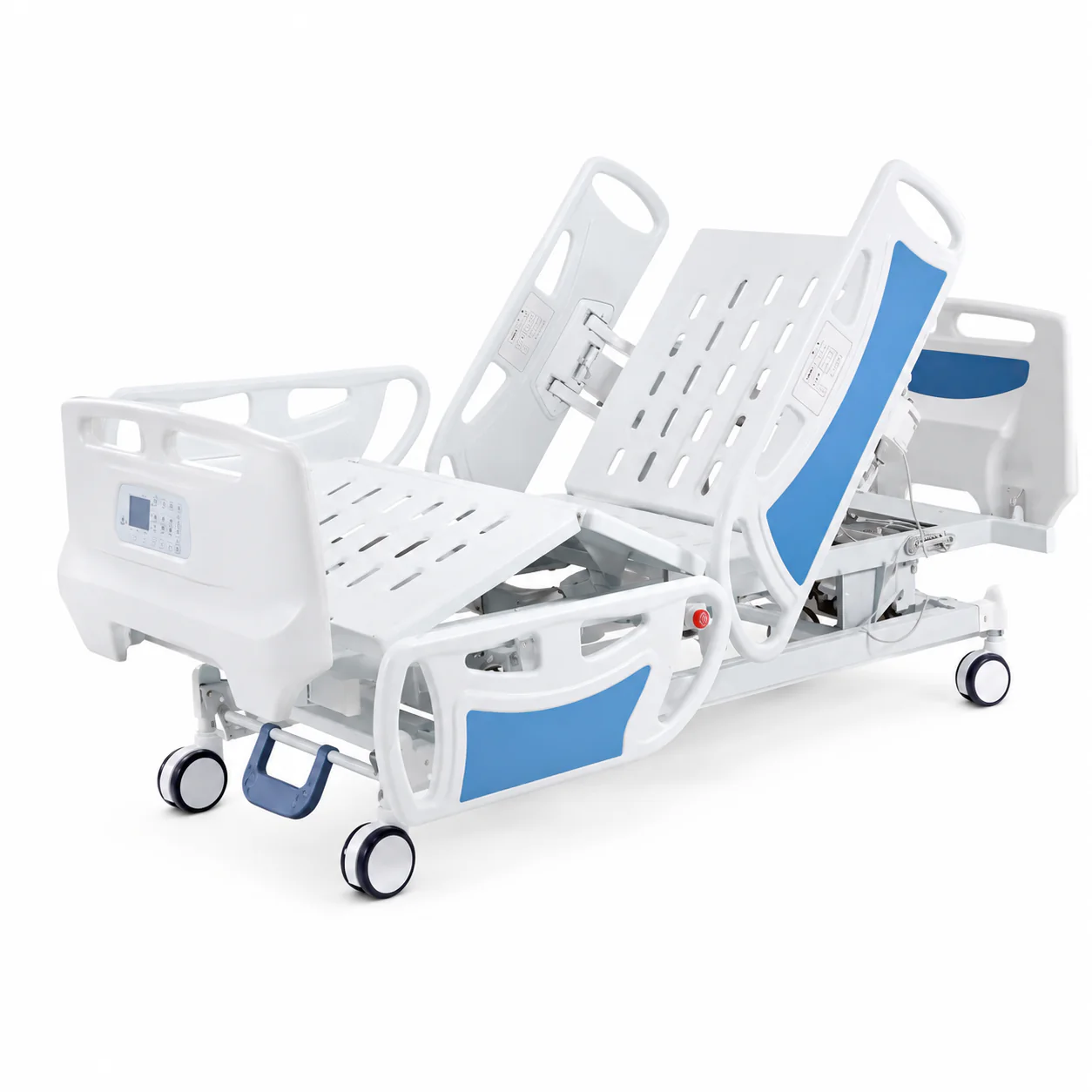
The term footboard medical is commonly used to describe the board, panel or end section at the foot of a hospital bed. It is part of the bed architecture rather than a standalone clinical function. In a purchasing specification, the footboard may be considered together with the headboard, side rails, mattress platform, castors and bed frame.
Buyers may also encounter the phrases footboard nursing and foot board medical. These expressions can refer to similar equipment, but terminology is not a reliable specification. A supplier quotation should identify the complete bed model and state what is included, rather than relying on a general term such as “medical footboard.”
For a procurement team, the practical question is not simply whether a bed has a footboard. It is whether the selected end panel suits the ward, supports the required access and cleaning workflow, and is supplied as part of the correct bed configuration. Keling Medical’s hospital bed range includes electric, manual, flat, nursing and specialist bed models. The catalogue should be used as the starting point for model selection, while the quotation confirms the final configuration.
Why the footboard matters when selecting a medical bed
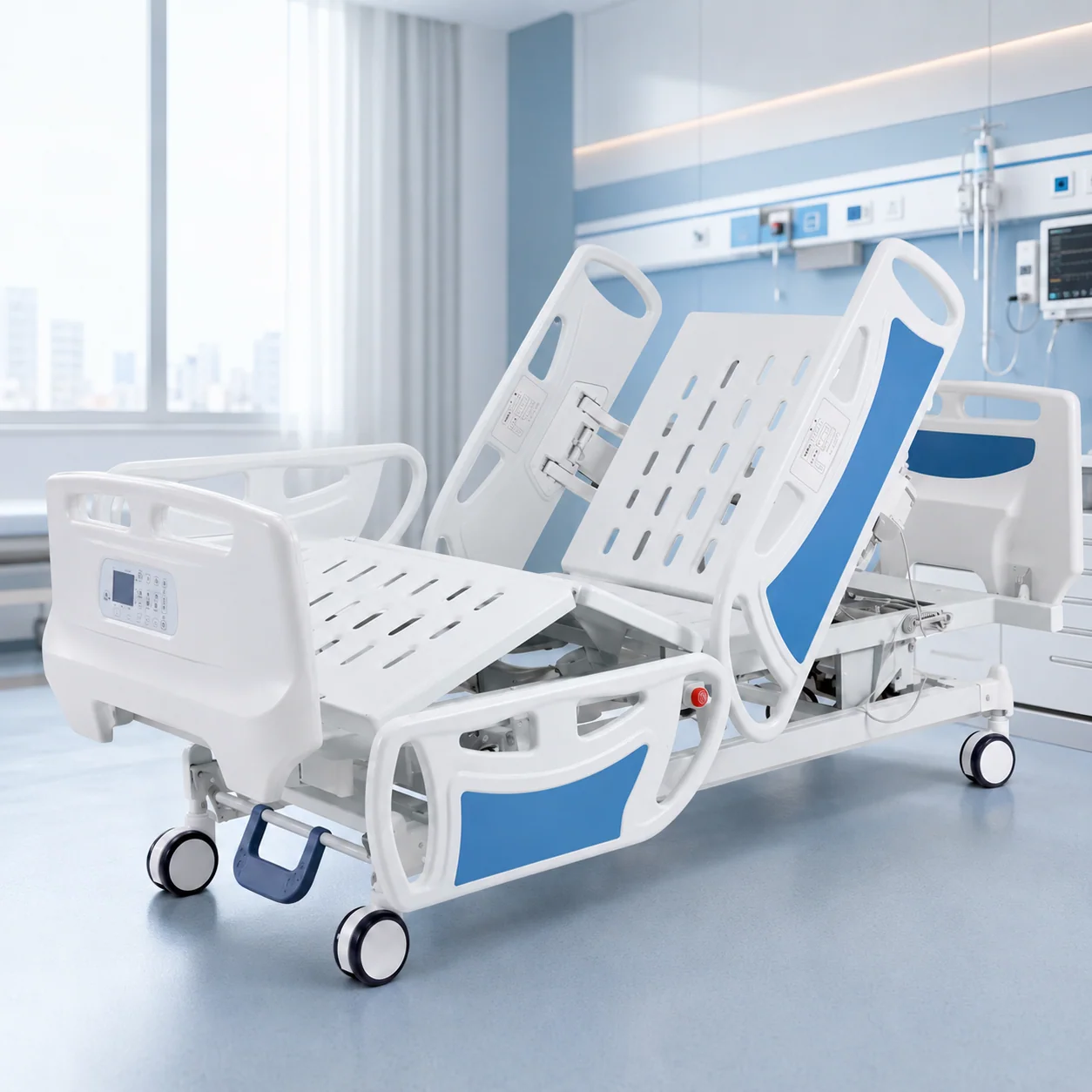
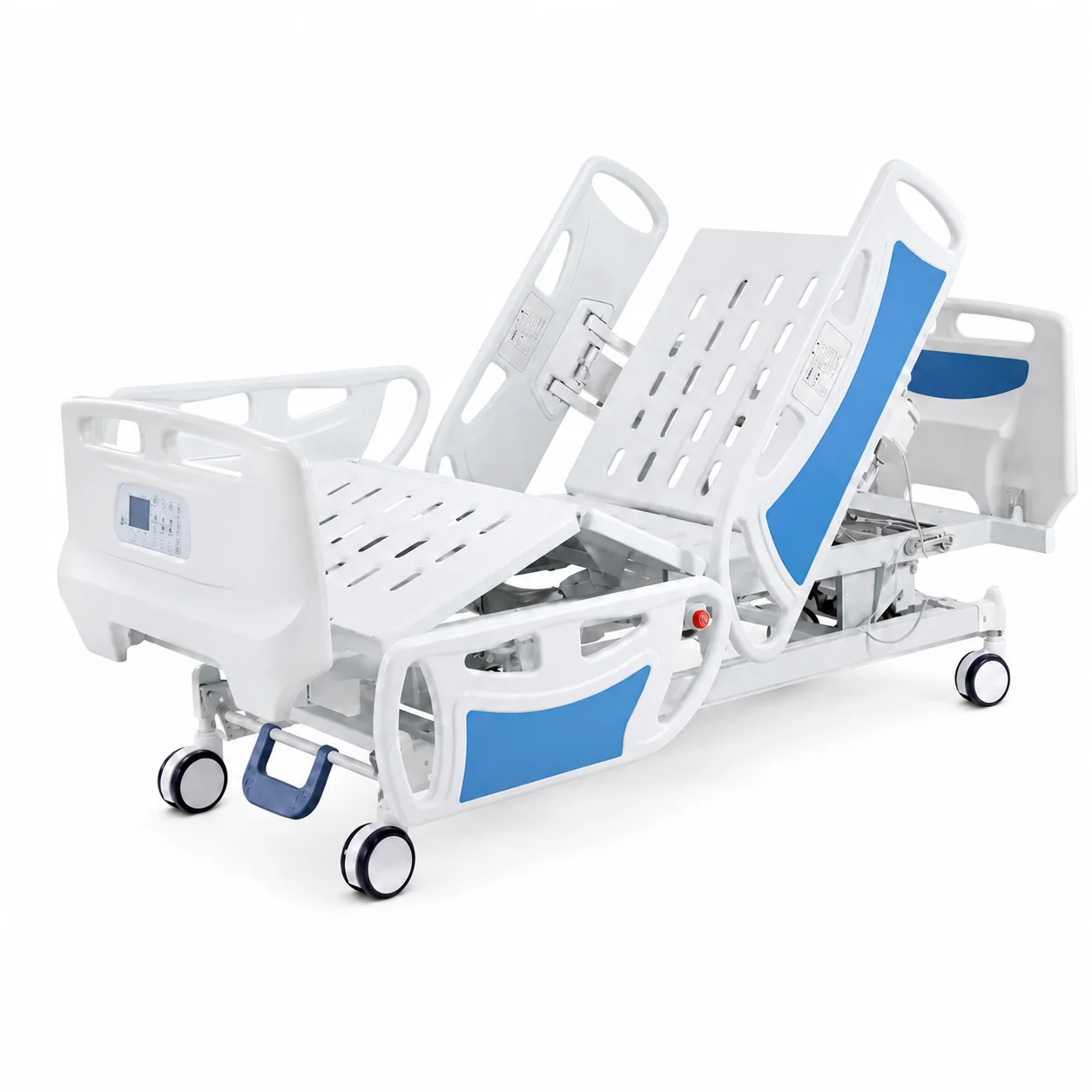
A footboard can affect how staff approach the bed, how the bed is moved, and how accessories or patient-support equipment are accessed. These considerations are especially relevant in intensive care, emergency, inpatient and nursing environments, where bed positioning and staff access may change during routine care or transfer.
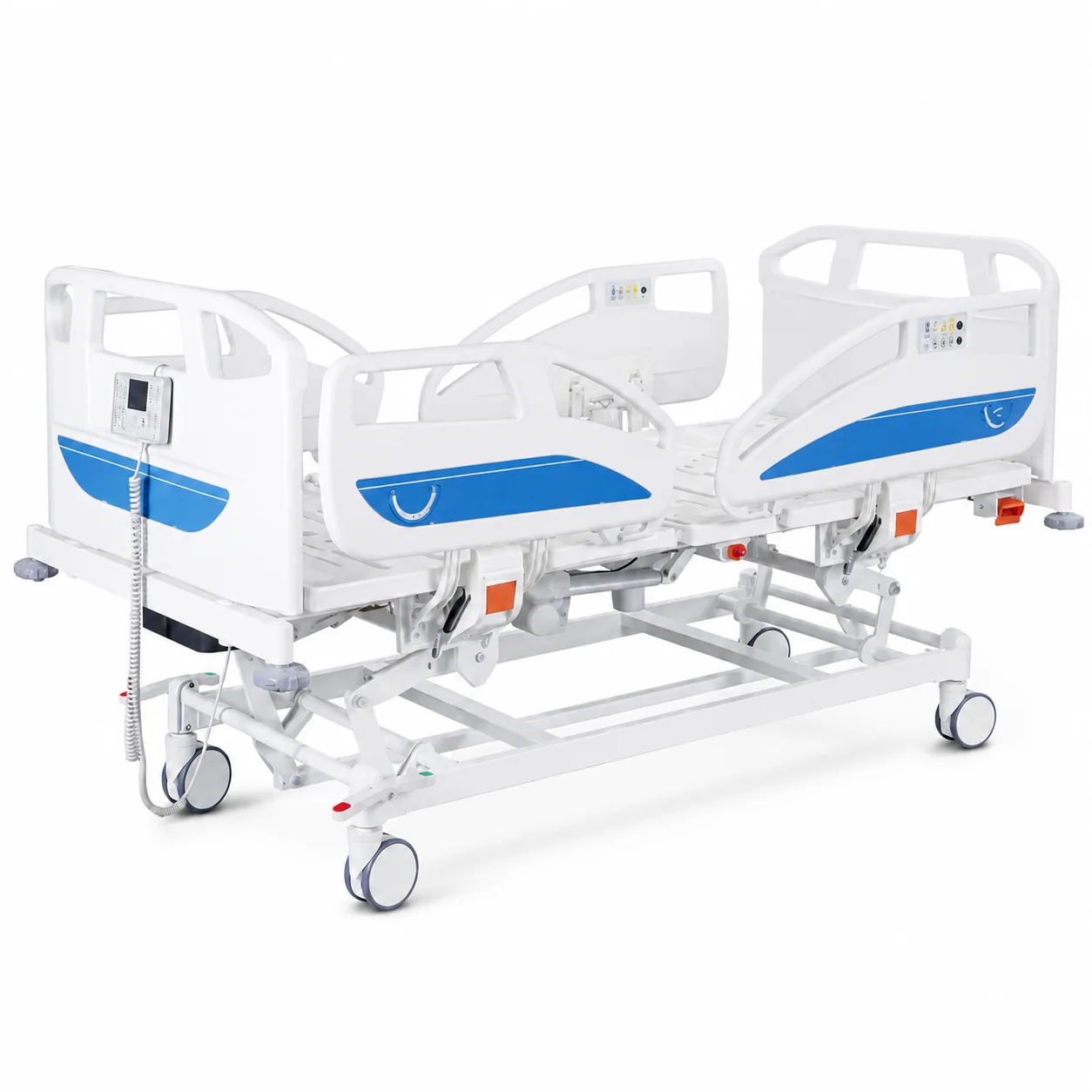
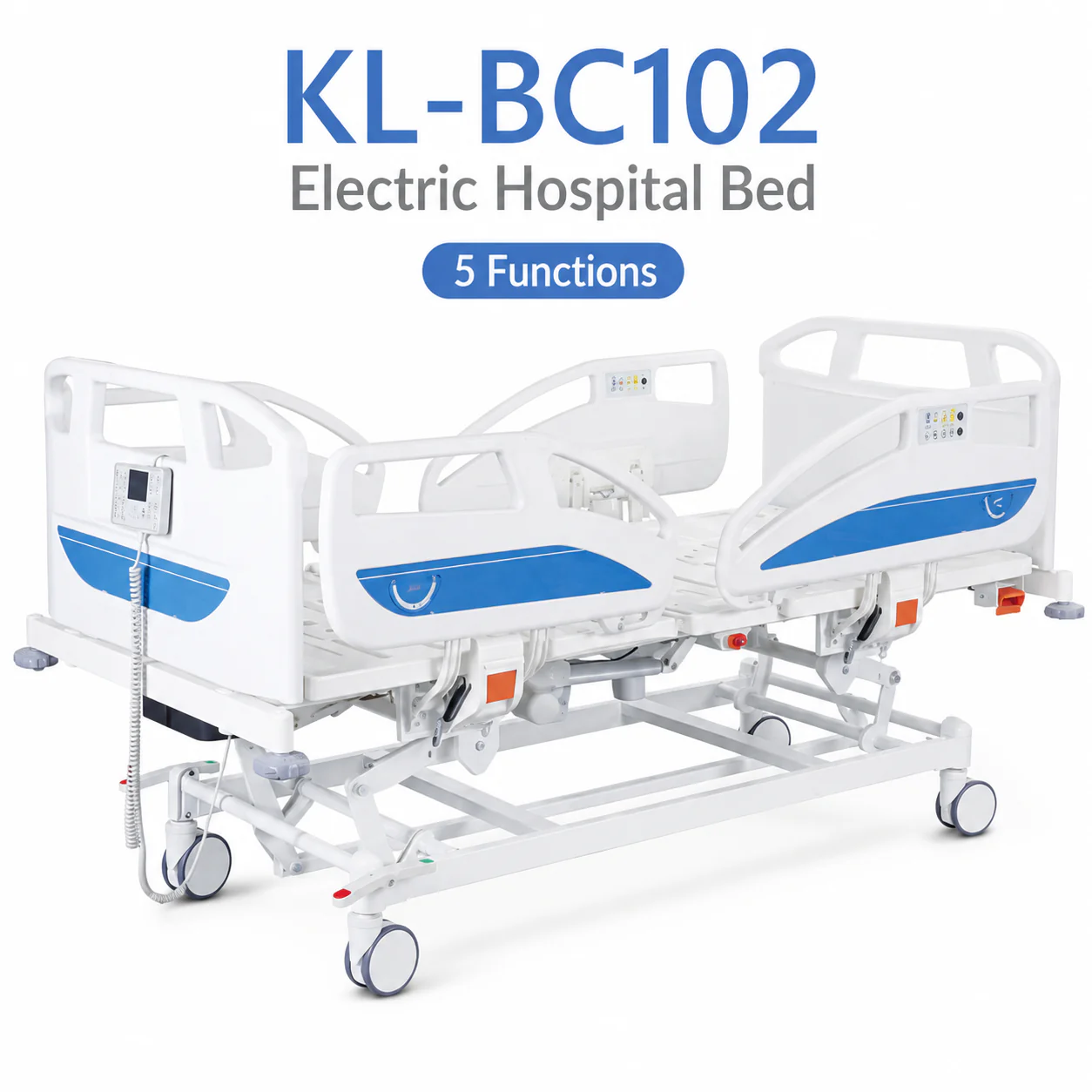
The foot-end design should be reviewed alongside the bed’s stated functions. For example, the catalogue describes the KL-BC101 Electric Hospital Bed as a 5-Function ICU Bed with CPR. The KL-BC102 Electric Hospital Bed is described as a 5-Function Bed with Dual Return. These descriptions identify different bed configurations; they do not by themselves define the exact footboard construction. That detail should be requested in the technical offer.
A removable, fixed or otherwise accessible foot-end arrangement can create different trade-offs. A fixed panel may provide a consistent bed boundary, while a removable or adjustable design may support particular access requirements. However, the available movement, locking method and compatibility must not be assumed from a product photograph. Ask the supplier to state these points for the exact model being evaluated.
Footboard medical selection checklist
1. Confirm the complete bed model
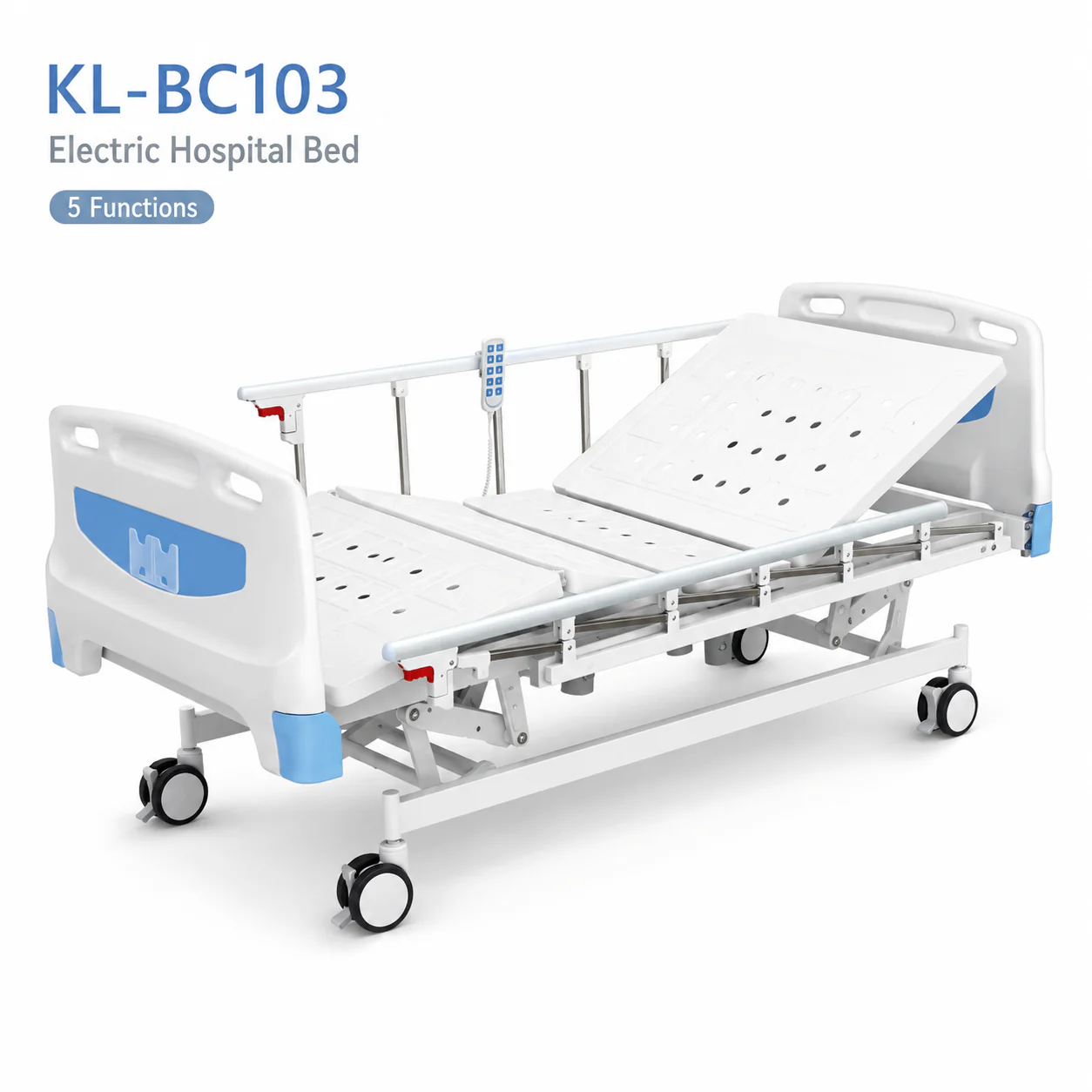
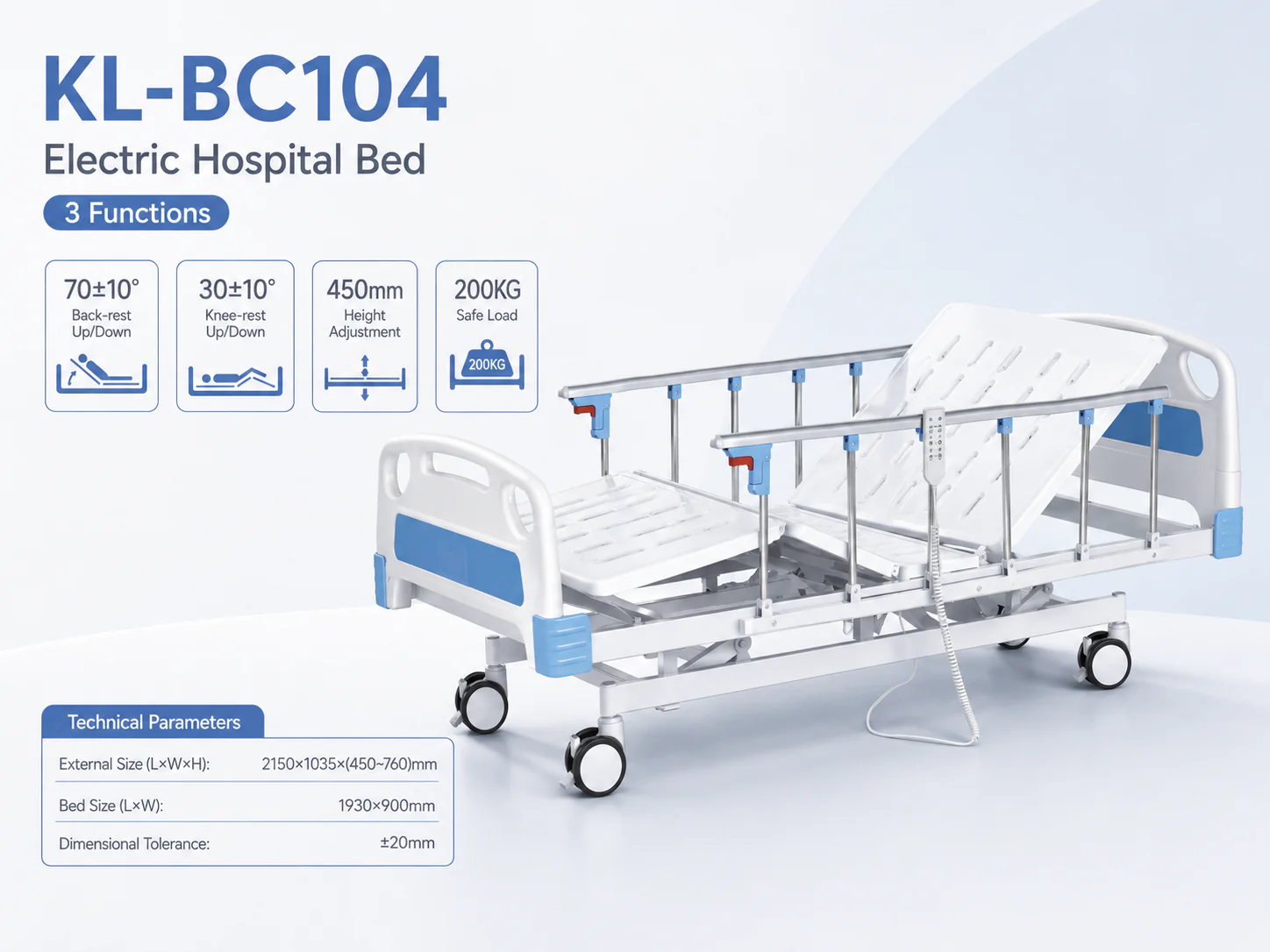
Start with the bed model, not the footboard terminology. Keling Medical’s catalogue includes 2-Function, 3-Function and 5-Function electric beds, as well as manual models. Examples include the KL-BC103 Electric Hospital Bed, described as a 5-Function Ward Bed 240 kg, and the KL-BC104 Electric Hospital Bed, described as a 3-Function Electric Bed 200 kg.
The stated model name and catalogue description should appear in the quotation. If a tender lists a separate footboard requirement, ask the supplier to map that requirement to the proposed bed model and included components.
2. Review construction and cleaning requirements
For a hospital project, request the footboard material, surface finish, colour options if relevant, and cleaning instructions. The buyer should also confirm whether the design contains seams, recesses, exposed fasteners or other areas that affect routine cleaning. These are procurement and maintenance questions, not assumptions to make from a generic “medical” label.
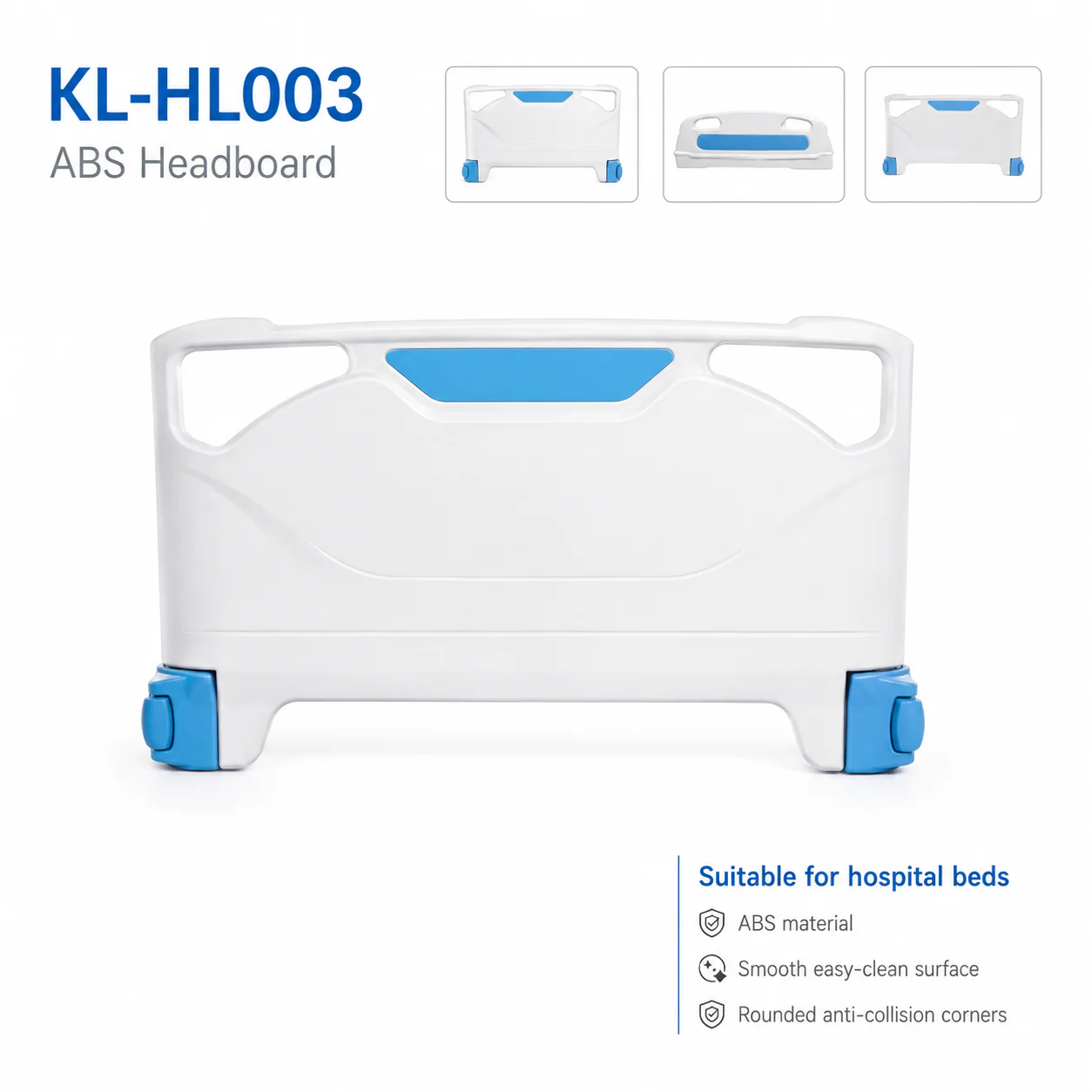
The same review should cover the headboard and side rails because these components form part of the bed’s patient-area enclosure. The catalogue lists the KL-HL003 ABS Headboard and KL-HL004 ABS Headboard as separate products. Their inclusion or compatibility with a specific bed must be confirmed in writing rather than inferred.
3. Check access, movement and attachment
Ask whether the footboard is fixed, removable, foldable or otherwise adjustable, and request the operating method. Confirm how it attaches to the frame, whether it can be removed without tools, and whether removal affects bed movement or accessory use. Also clarify whether the footboard is supplied as standard or optional.
If a project requires frequent transport, review the footboard together with castors and the overall bed frame. Keling Medical lists the KL-CA011 Hospital Bed Castor as a separate dual-wheel and single-wheel medical caster product. Compatibility, load conditions and whether the castors are included in the bed package should be confirmed model by model.
Comparing footboard requirements across bed types
The correct footboard specification depends on the operational role of the bed. An ICU bed, ward bed, nursing bed and flat bed may have different priorities, even when they are all described as hospital beds.
For critical-care procurement, the bed’s stated functions and emergency-access requirements should be reviewed first. The KL-BC101 is catalogued as a 5-Function ICU Bed with CPR, so the buyer should request the corresponding foot-end arrangement and confirm whether it supports the project’s access workflow.
For general wards, capacity and operating simplicity may be more important. The KL-BC103 is catalogued as a 5-Function Ward Bed 240 kg, while the KL-BC104 is catalogued as a 3-Function Electric Bed 200 kg. These catalogue descriptions provide useful differentiation, but they do not replace a complete technical schedule covering the footboard, side rails, mattress platform, controls and accessories.
Manual beds may be appropriate where electrical infrastructure, maintenance arrangements or project budgets influence the specification. The catalogue includes the KL-BC108 Manual Hospital Bed, described as a 3-Function Manual Bed with Height Adjustment, and the KL-BC109 Manual Hospital Bed, described as a 5-Function Manual Bed with Trendelenburg. Confirm whether the requested footboard is supplied with the chosen manual model and whether its design differs from the electric-bed range.
For a broader comparison of bed functions and tender criteria, see the Surgery Bed Buying Guide for Hospital Procurement. If the project involves lower bed height, compare the foot-end requirement with the criteria in the Low Bed Buying Guide for Hospital Procurement.
What to include in an RFQ for a footboard medical bed
A useful request for quotation should remove ambiguity. Include the following information:
- Required bed type and intended area, such as ICU, ward, nursing or examination use.
- Preferred bed model, or the required number of functions and operating method.
- Footboard construction, attachment and removal requirements.
- Required material, finish, cleanability information and colour requirements.
- Footboard dimensions or clearance requirements, if defined by the project.
- Compatibility with side rails, mattress, IV stand, castors and other specified accessories.
- Required quantity, destination market, delivery terms and packaging expectations.
- Technical documents, inspection requirements and tender submission format.
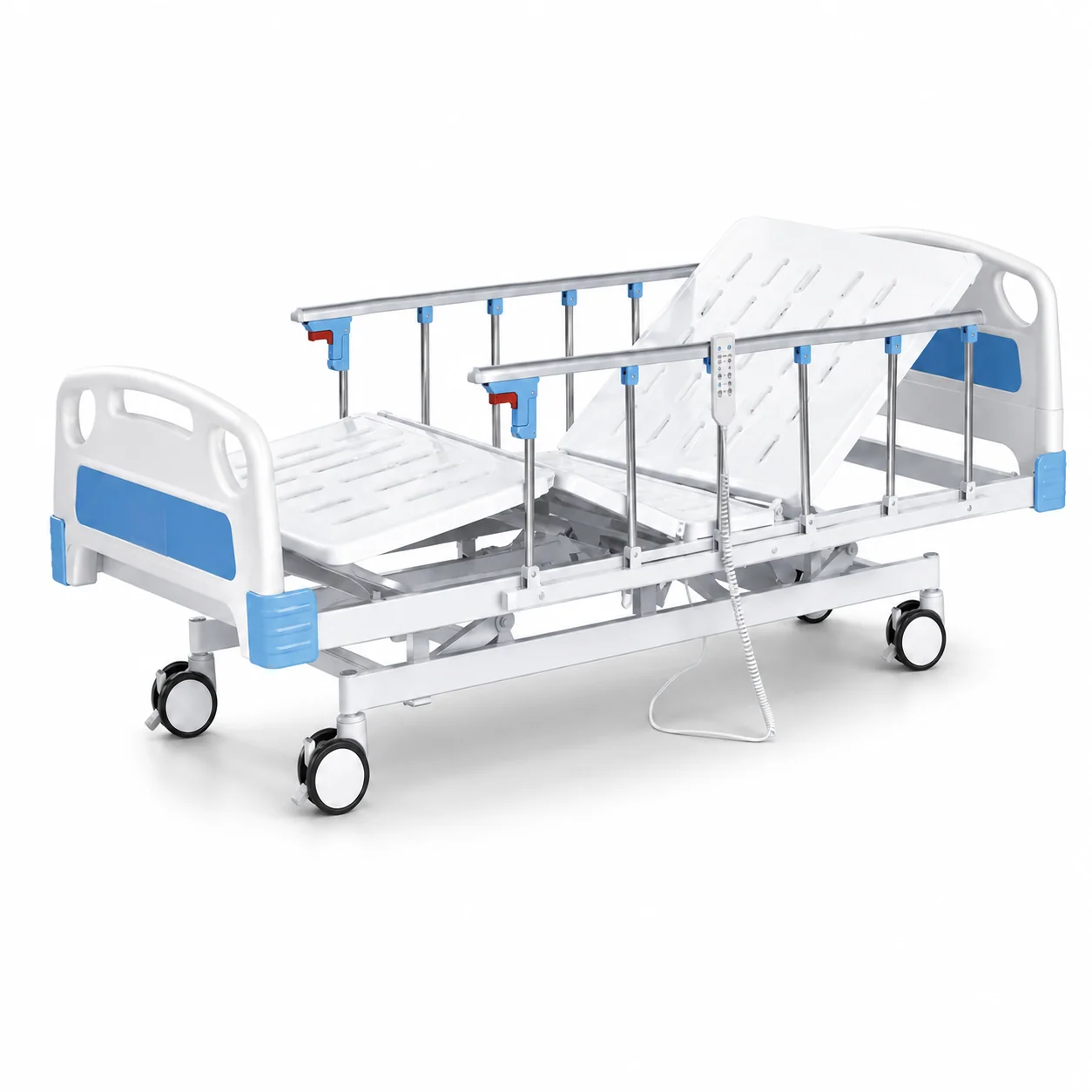
Do not treat a catalogue image as confirmation of a tender specification. Ask for a model-specific datasheet, component list and drawing where dimensions or interfaces are important. For mattress planning, the KL-P001 Mattress is catalogued as a hospital bed mattress with PU or sponge fill, while the KL-P002 is a segmented hospital bed mattress with palm-fibre fill. Mattress compatibility should be confirmed with the selected bed and foot-end design.
Compliance and delivery checks before purchase
Keling Medical was founded in 1996 and operates from Shanghai as an export and sales centre. Company materials state an ISO 13485 quality system, ISO 9001 and CE. Regulatory scope and validity should still be confirmed per model and destination market in the written quotation; buyers should not assume that a general company statement applies identically to every configuration.
Before issuing a purchase order, confirm the exact model, included footboard, bed functions, accessory compatibility, documents, warranty terms, spare-parts arrangements and inspection process. Also confirm whether the offered footboard is part of the standard bed or a separately priced option.
For project-based purchasing, buyers can use Keling Medical’s hospital project solutions or submit the required bed schedule through the request-a-quote page. Provide the destination country, quantity, intended department, required model or functions, footboard expectations and any tender deadline. This gives the supplier enough information to issue a model-specific quotation rather than a generic response.
Practical conclusion for hospital buyers
A footboard medical requirement should be written as a measurable component requirement within the complete hospital-bed specification. Define the bed model, footboard construction, attachment, access, cleaning expectations and accessory interfaces, then request written confirmation. This approach reduces variation between quotations and makes technical comparison more reliable for distributors, hospitals and tender teams.