What is the lateral recumbent position?
The lateral recumbent position is a side-lying patient position in which the patient rests on the left or right side rather than lying on the back or abdomen. In medical terminology, “recumbent” means lying down; “lateral” identifies the side-facing orientation. The exact arrangement of the arms, legs, pillows and degree of trunk rotation depends on the examination, nursing or operative protocol.
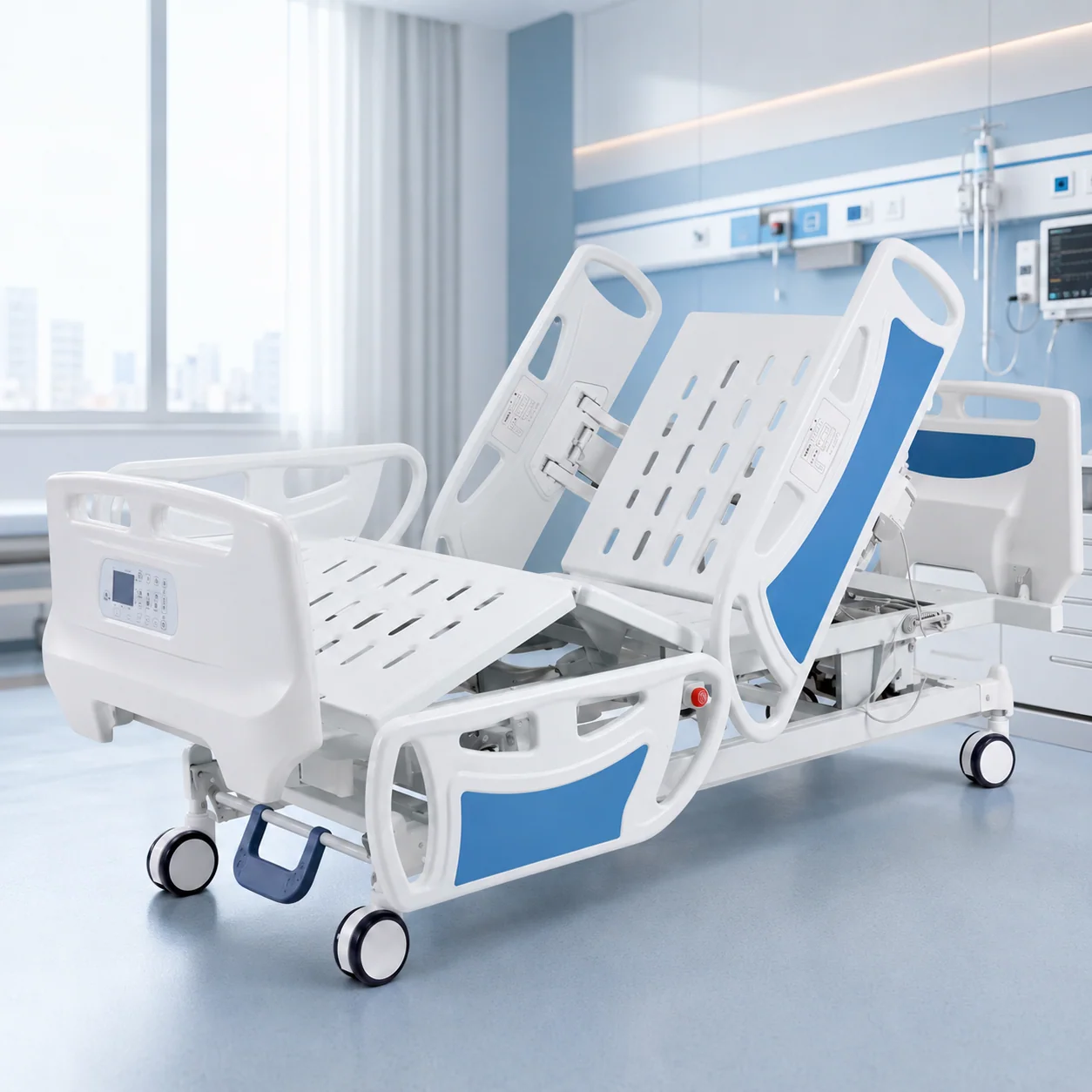
For equipment buyers, this distinction matters. A flat mattress alone does not create a controlled lateral position. The bed, mattress, side rails and positioning accessories must work together while allowing staff to access the patient and adjust the bed safely according to local procedures. A five-function electric bed may provide more positioning flexibility than a basic manual or flat bed, but the appropriate configuration depends on the department and tender specification.
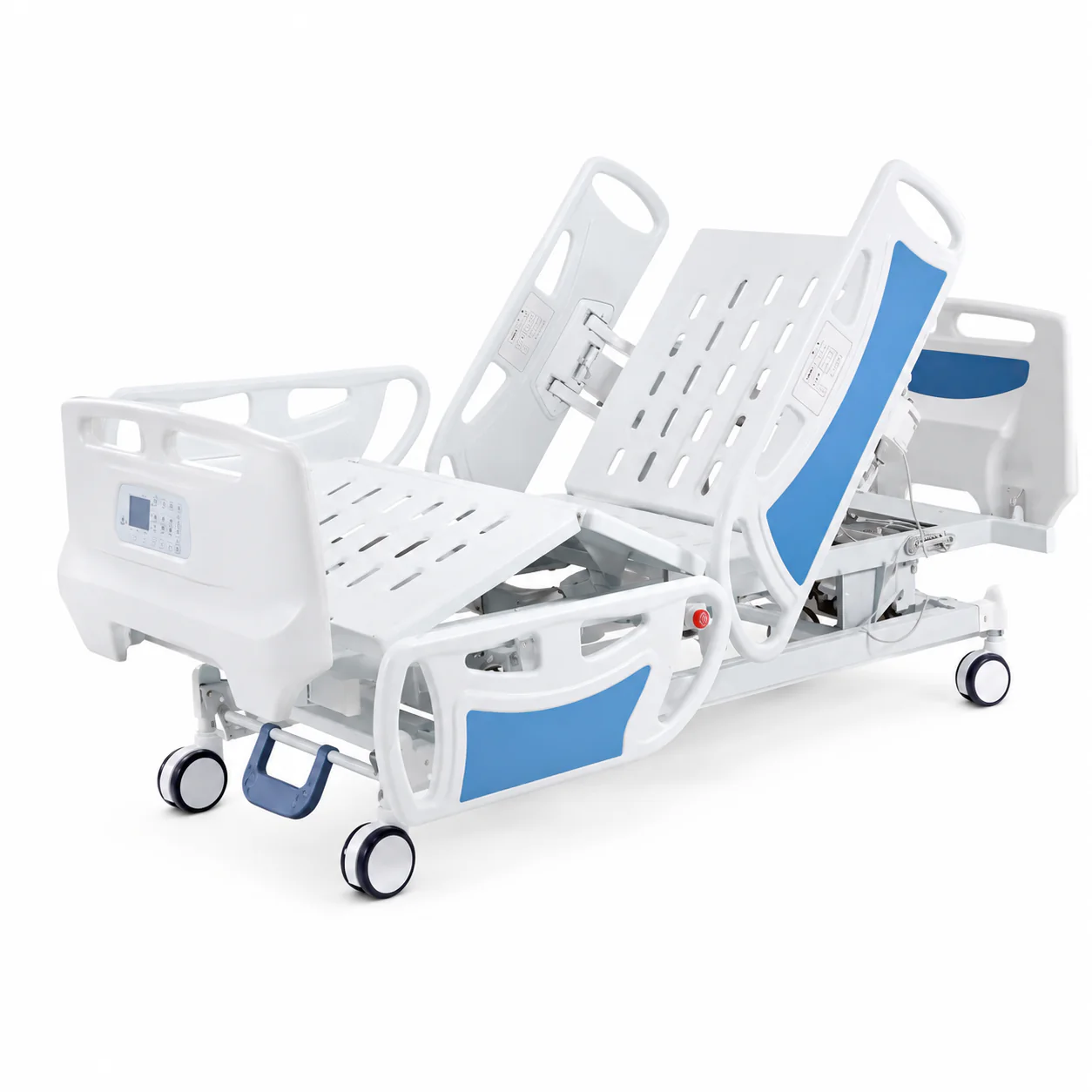
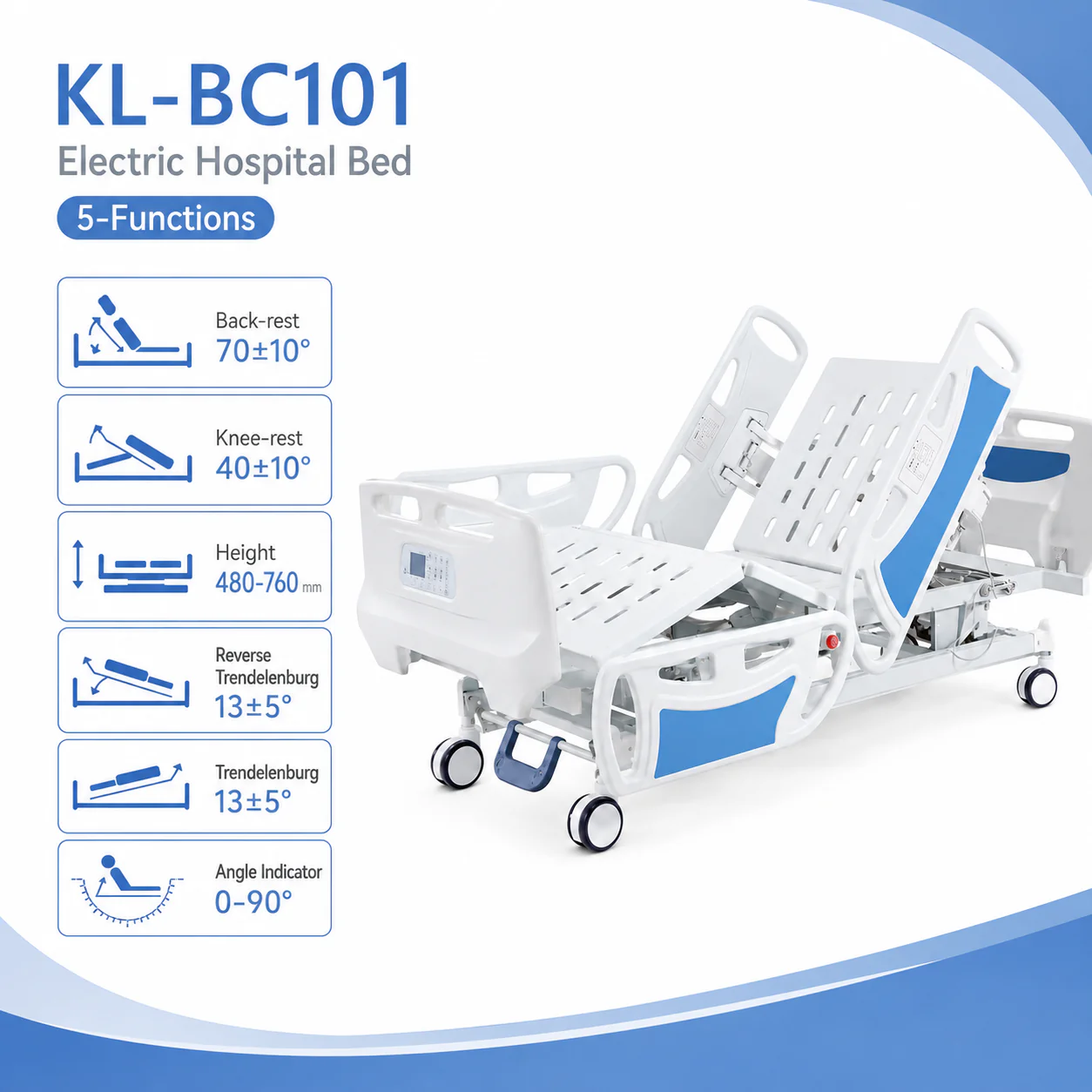
The [KL-BC101 Electric Hospital Bed]( /products/hospital-bed/kl-bc101-electric-hospital-bed/) is listed as a 5-Function ICU Bed with CPR. It may therefore be relevant to projects where multiple bed adjustments are included in the functional requirement, subject to confirmation of the complete written specification.
Lateral, supine, prone and dorsal positions compared
The most useful comparison is orientation:
- Supine position: lying on the back, face upward.
- Lateral recumbent position: lying on the left or right side.
- Prone position: lying on the abdomen, face generally downward.
- Dorsal position: a back-lying position; in clinical terminology it may refer to dorsal recumbency, although local definitions can vary.
When buyers search for the “opposite of supine position,” they commonly mean the prone position. However, lateral is not the direct opposite of supine; it is a different side-lying orientation. This wording should be handled carefully in product training documents and tender responses because a request for lateral positioning should not be interpreted as a request for a prone-positioning system.
A dorsal recumbent position picture can be useful for staff education, but an image does not replace a written positioning protocol. Procurement documents should state whether the requirement concerns the backrest angle, the patient’s body orientation, the mattress surface, or all three.
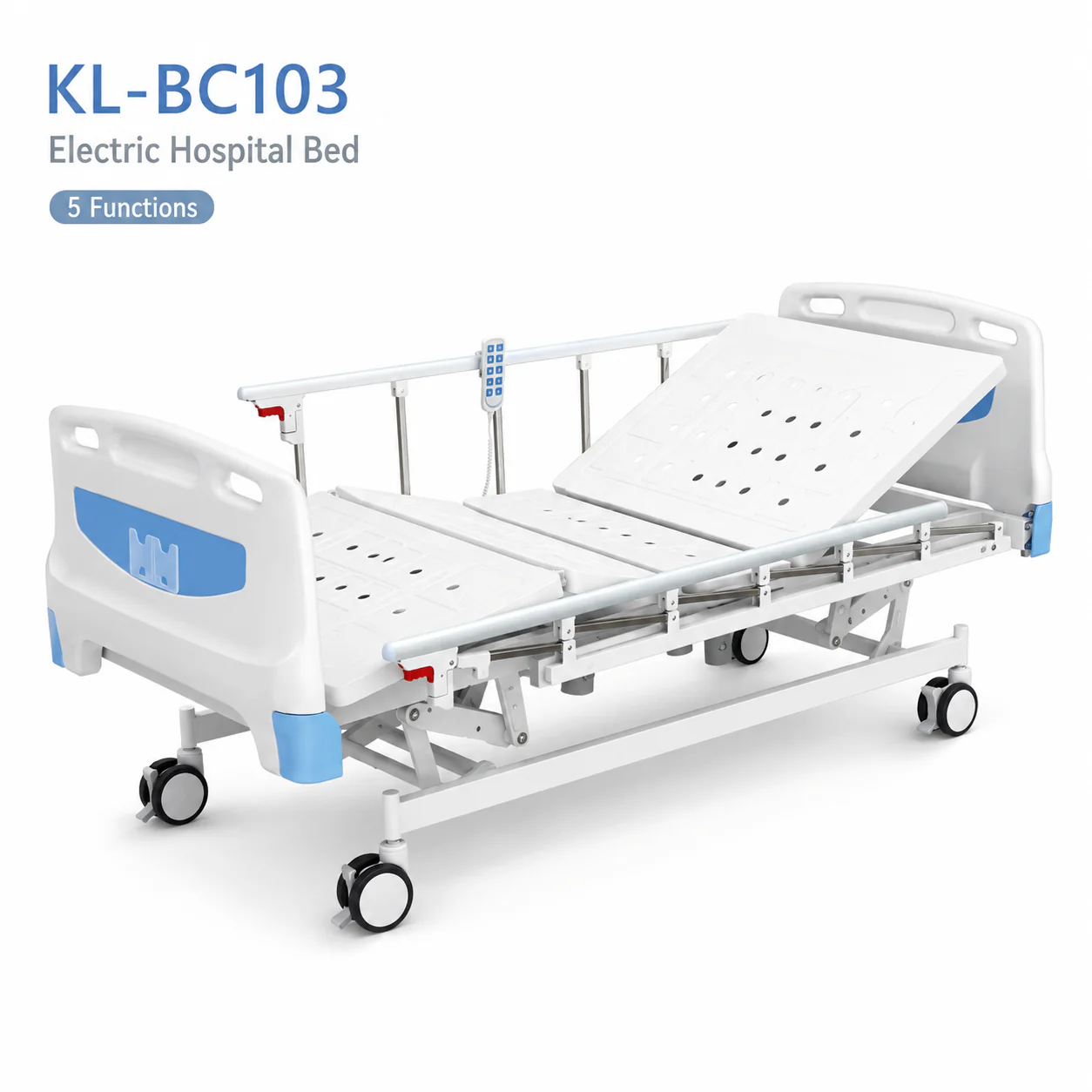
For a general ward project, the [KL-BC103 Electric Hospital Bed]( /products/hospital-bed/kl-bc103-electric-hospital-bed/) is described in the catalogue as a 5-Function Ward Bed 240 kg. Buyers should compare the required safe working load, adjustment functions, mattress dimensions and side-rail arrangement in the quotation rather than selecting by function count alone.
Fowler position meaning and the different Fowler positions
The Fowler position meaning is generally a semi-upright or upright bed position created by elevating the upper body. It is different from the lateral recumbent position because the principal change is trunk elevation, not turning the patient onto one side. A semi sitting position is often used as a broad description for an elevated backrest orientation, but terminology differs between hospitals.
Searches for different Fowler positions usually refer to variations such as low, semi and high Fowler terminology. The requested Fowler position degree should not be assumed from the name alone: angle ranges and naming conventions vary by institution, clinical department and documentation system. Tender buyers should ask suppliers to state the actual backrest adjustment range and control method for each offered model.
The practical comparison in Fowler vs semi Fowler or Fowlers vs semi fowlers is therefore a matter of degree and protocol, not a completely different bed type. If a project specifies several Fowler settings, confirm whether the buyer needs preset positions, a continuous electric adjustment, manual adjustment, angle indication or simply an adjustable backrest.
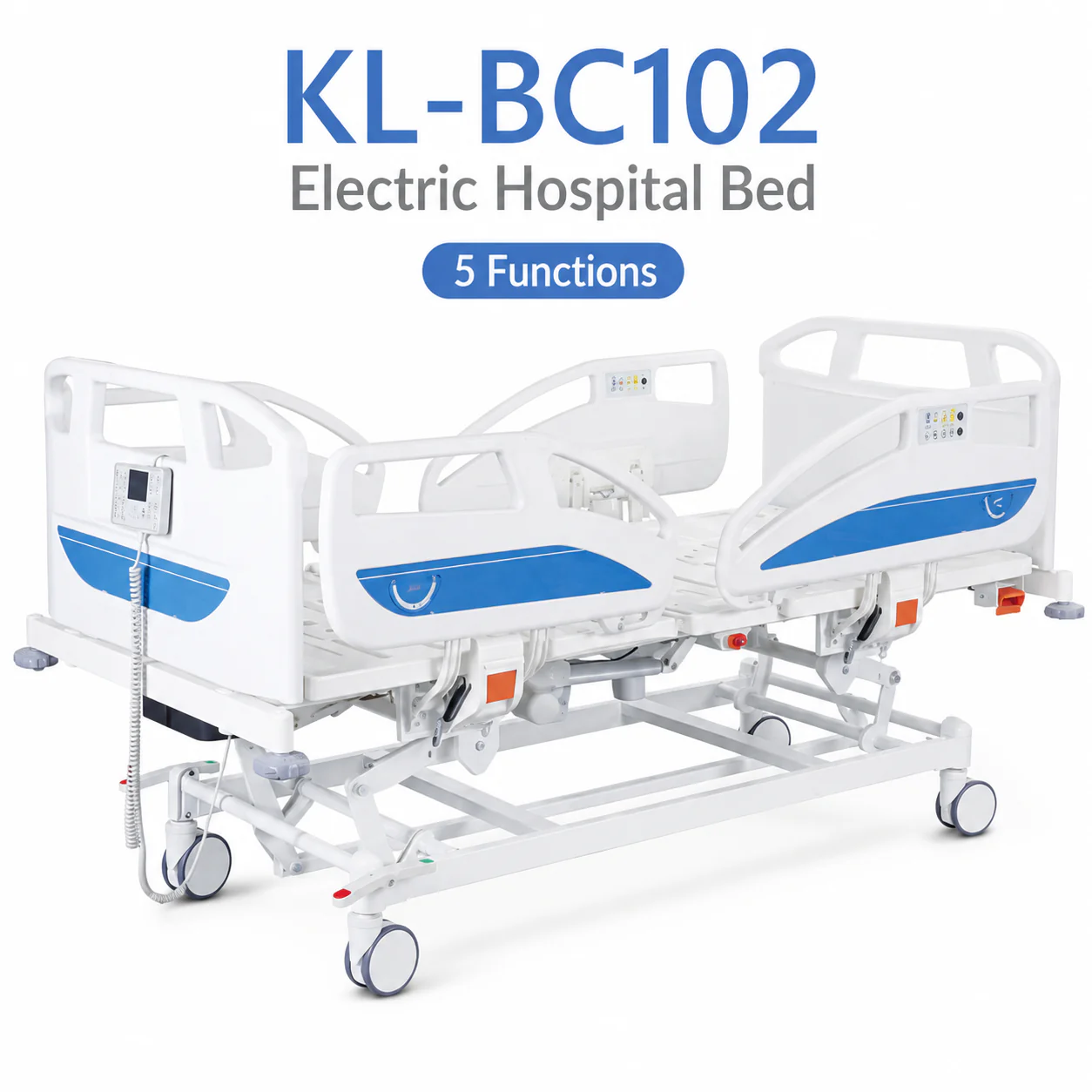
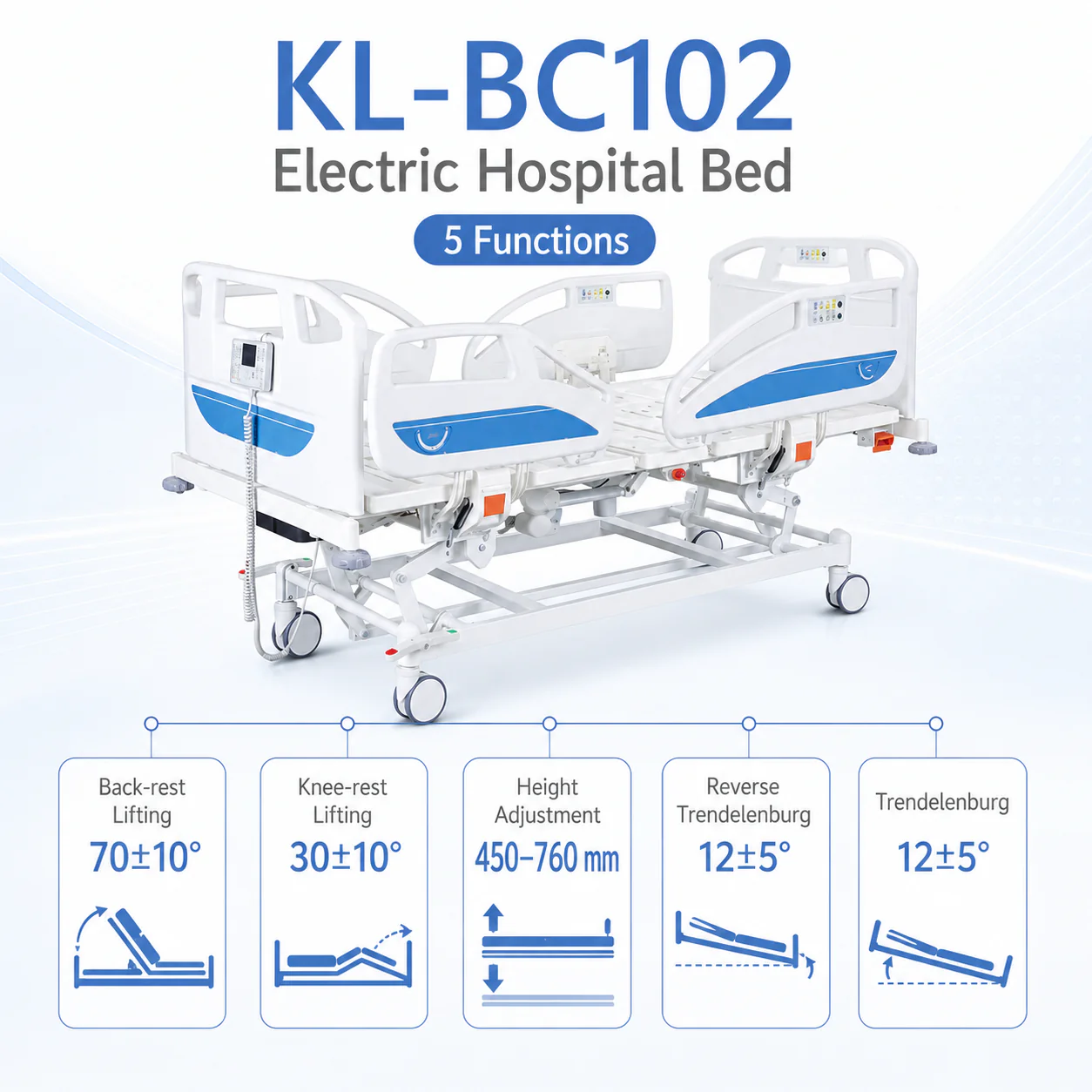
The [KL-BC102 Electric Hospital Bed]( /products/hospital-bed/kl-bc102-electric-hospital-bed/) is listed as a 5-Function Bed with Dual Return. Its suitability for a Fowler-related requirement should be assessed from the model’s written technical sheet, including the available adjustment functions and operating controls.
Sims position nursing and semi-prone variations
The Sims position nursing terminology usually describes a side-lying, partially rotated position between lateral and prone. It is commonly discussed as a left or right Sims position, while a left lateral Sims position specifies the side. A modified Sims position may use a different degree of hip, knee or trunk flexion, and an exaggerated Sims position indicates a more pronounced variation.
The lateral semi prone recumbent position and semi prone position are related descriptions, but they should not automatically be treated as identical. “Lateral” emphasizes side-lying; “semi-prone” emphasizes partial rotation toward the abdomen. In procurement specifications, the safest approach is to define the required patient orientation and support method instead of relying only on a label.
A bed intended for these positioning protocols should be reviewed for mattress segmentation, lateral stability, side-rail configuration, staff access and compatibility with the facility’s positioning aids. A backrest-only bed may not address every requirement. A knee-rest function can also affect the final configuration, but its exact usefulness depends on the local protocol and patient group.
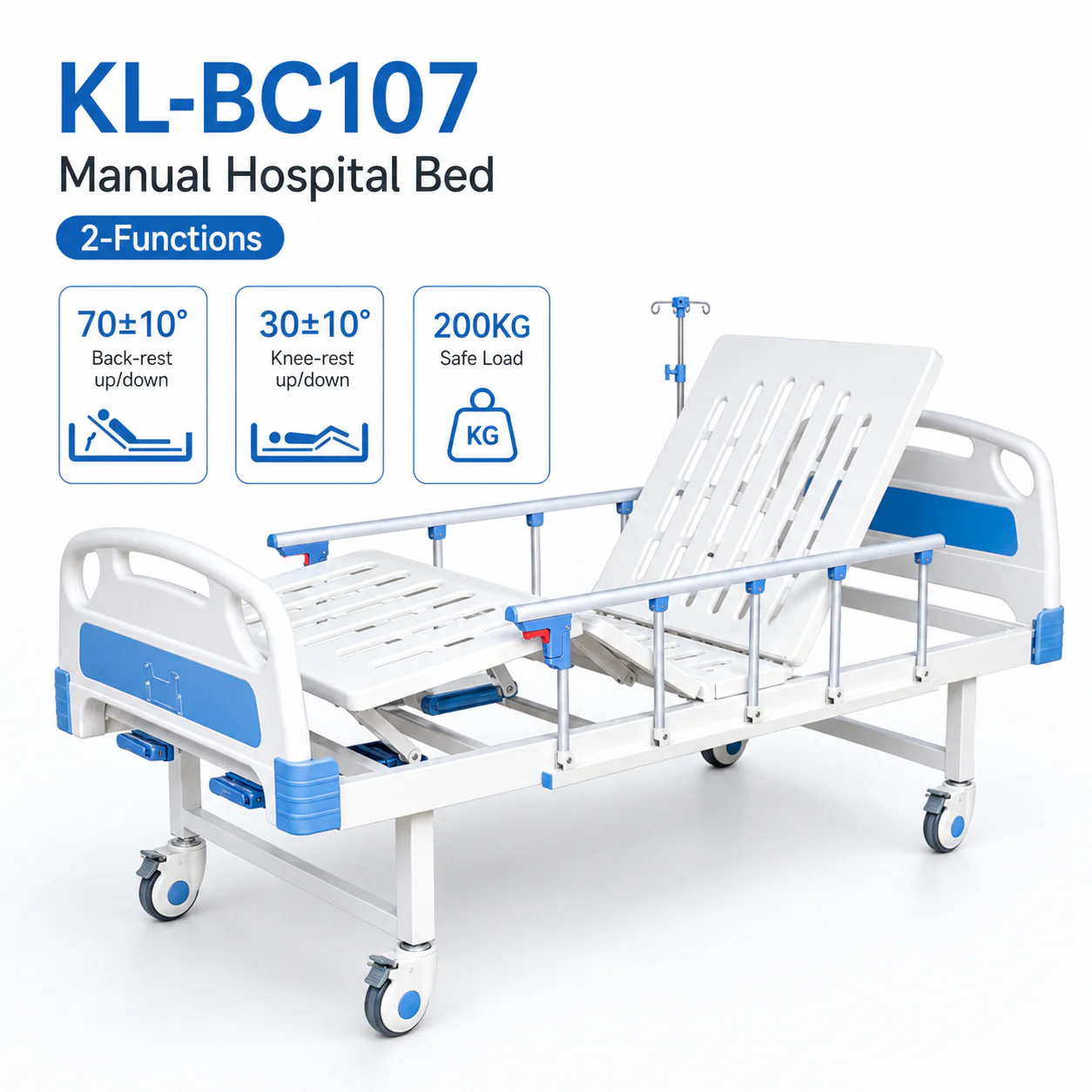
For projects requiring a simpler specification, the [KL-BC107 Manual Hospital Bed]( /products/hospital-bed/kl-bc107-manual-hospital-bed/) is listed as a 2-Function Backrest & Knee-Rest bed. Buyers should confirm whether manual operation is acceptable in the intended ward and whether the proposed mattress and rails support the required positioning workflow.
Patient positioning requirements by department
Patient positioning requirements differ between inpatient wards, examination rooms, intensive care areas and operating rooms. Nursing positions for patients may require frequent adjustment and clear access to the bed controls. Examination positions may prioritize access to a particular body area. Operative positions involve a separate operating-table specification and should not be assumed to be achievable with a standard hospital bed.
A procurement checklist should cover:
- Position definition: lateral, semi-prone, Sims, Fowler, supine or another named orientation.
- Adjustment requirements: backrest, knee-rest, bed height, Trendelenburg or other functions explicitly required by the project.
- Load and dimensions: catalogue-listed capacity, mattress size, clearance and compatibility with the room layout.
- Patient-support components: side rails, headboards, mattress type and any required positioning accessories.
- Operation: electric or manual adjustment, control location, emergency requirements and staff workflow.
- Documentation: model-specific technical data, instructions, packing details, warranty terms and destination-market requirements.
Terms such as dependent position nursing and arm in dependent position describe how a limb or body part is placed relative to the body or bed. They should be converted into measurable equipment requirements only when the hospital’s clinical or engineering team has defined the intended setup.
How to choose a hospital bed for lateral positioning
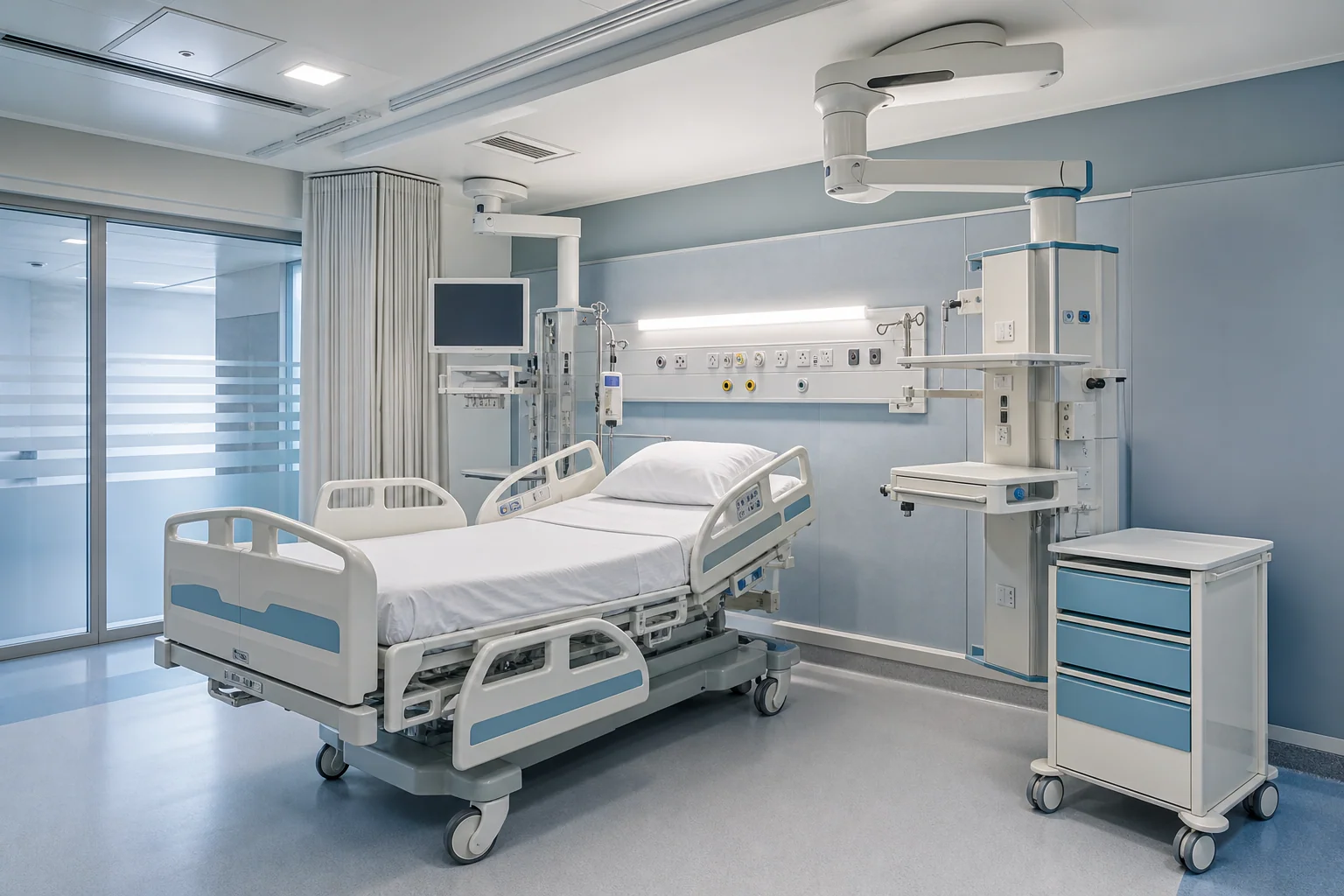
Start with the use case rather than the product category. An ICU project may require a multi-function electric bed and specific emergency features. A general ward may prioritize durability, operating simplicity and total project cost. A low-acuity area may accept a manual model if the tender permits it. A flat bed may be unsuitable when the specification requires repeated backrest or knee-rest adjustments.
Compare the [KL-BC101 Electric Hospital Bed]( /products/hospital-bed/kl-bc101-electric-hospital-bed/) and other shortlisted models only against confirmed specifications. The catalogue includes electric and manual hospital beds with different function counts, so buyers should request a model-by-model comparison rather than assuming that every five-function bed has the same operating range or accessories.
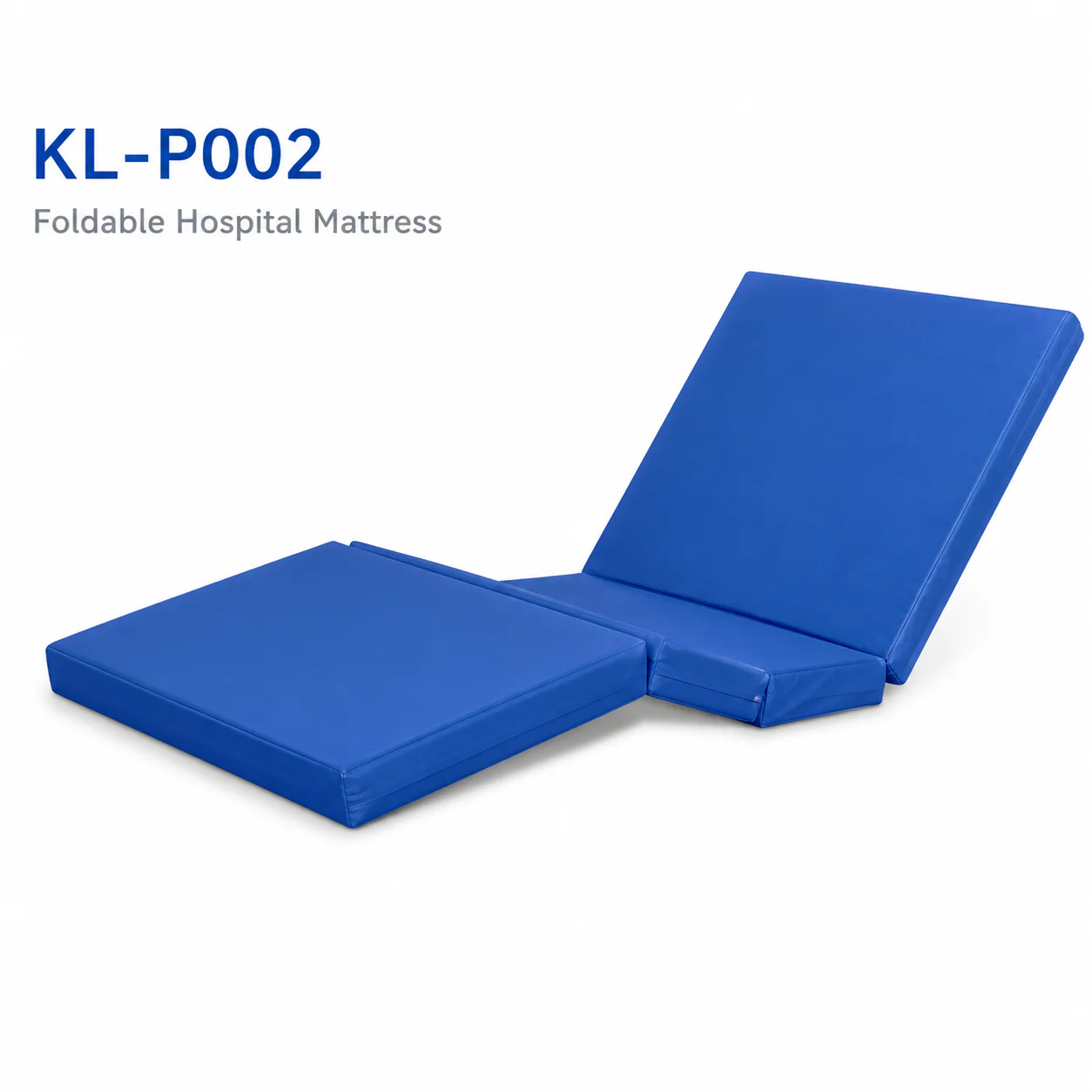
Also assess the mattress. A segmented hospital-bed mattress, such as the [KL-P002 Mattress]( /products/hospital-bed/kl-p002-mattress/), should be evaluated for compatibility with the selected bed and the proposed positioning movements. The supplier should confirm dimensions, materials, support characteristics and whether the mattress is appropriate for the project’s cleaning and maintenance requirements.
Before issuing a purchase order, provide the supplier with the destination country, intended department, quantity, required electrical standard, preferred operation type, positioning functions, side-rail requirements, mattress requirements and delivery timeline. Ask for the exact model specification, quotation validity, packaging information and written confirmation of regulatory scope and validity for the destination market.
Keling Medical is a Shanghai-based manufacturer and export and sales centre founded in 1996. The company manufactures 310 models across 12 categories and operates an ISO 13485 quality system; company materials also state ISO 9001 and CE. For a B2B quotation, contact inquiry@shkeling.com or +86 150 0064 9020, or submit the project details through the request-for-quote page.