What is the prone jackknife surgical position?
The prone jackknife surgical position is a face-down surgical arrangement in which the operating surface is flexed around the patient’s hip region. The trunk and lower limbs are supported in different planes, creating a jackknife-shaped profile and improving access to selected posterior surgical fields.
The exact angle, support method and terminology vary by procedure, operating team and facility protocol. In procurement documents, the terms “jackknife prone position,” “Kraske position” and, occasionally, “jacknife prone position” may be used interchangeably. They should not be treated as a substitute for a written positioning protocol.
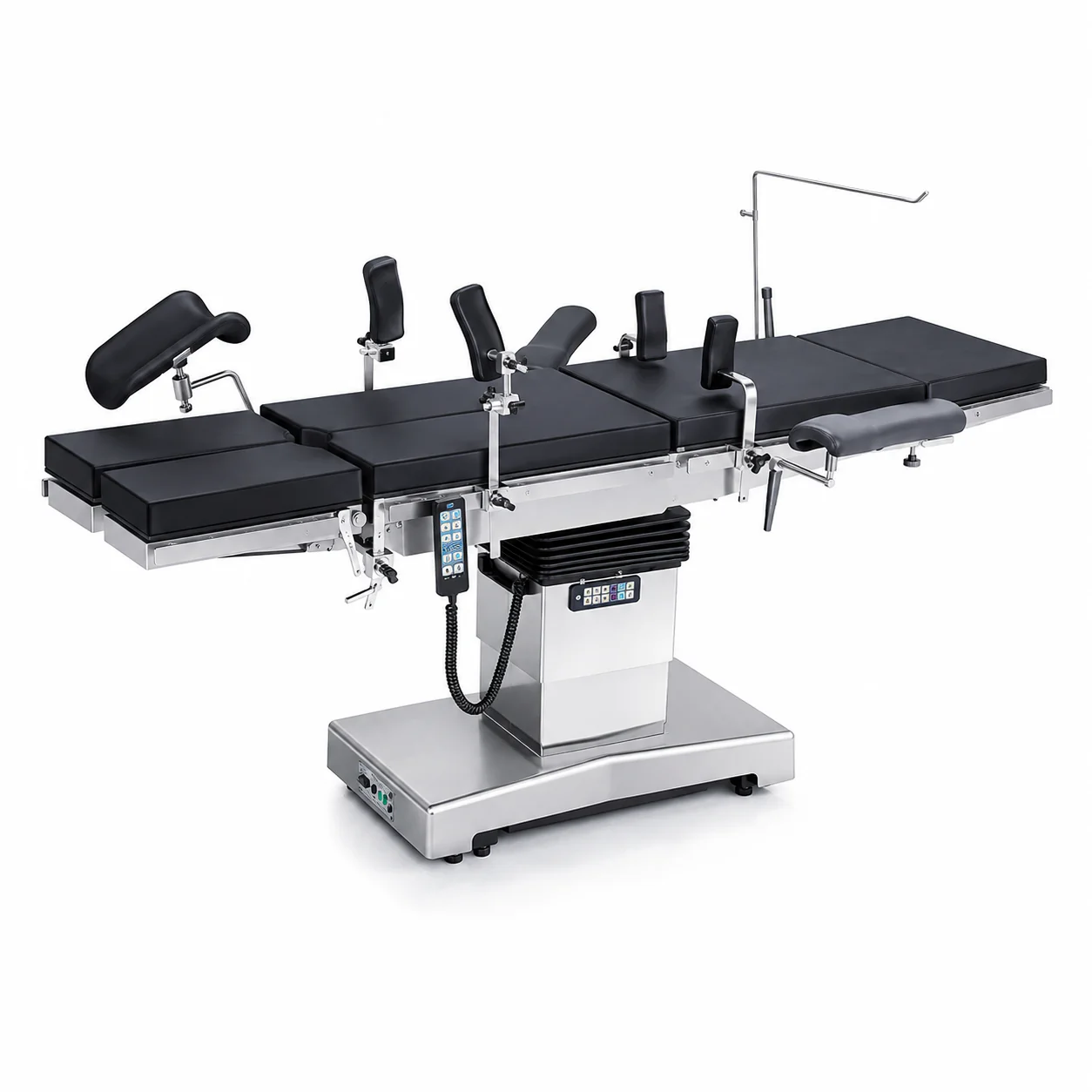
For buyers, the important question is not simply whether a table is described as multifunctional. The quotation should identify the sections that articulate, the available positioning accessories, the control method and the limits that apply to each configuration.
Why is it also called the Kraske position?
The Kraske position is a form of prone positioning associated with flexion at the operating table or support system. “Kraske position surgery” is often used when discussing procedures that require access to the posterior pelvic, sacral or perineal region. Terminology can differ between hospitals, so tender documents should define the intended configuration rather than relying on the name alone.
A procurement team comparing surgical positions should record the required table movements in plain language. For example, the specification may need to state whether the table must support prone flexion, independent adjustment of sections, secure patient supports and clearance for the surgical team. This gives suppliers a clearer basis for a compliant quotation.
How the jackknife prone position differs from other surgical positions
There are different positions in surgery because exposure, access, imaging requirements and equipment layout vary by procedure. The prone jackknife arrangement is one option within the wider group of surgical positions operating room teams may use. It is distinct from a flat prone position because the table or support system creates a deliberate bend rather than keeping the patient’s body in one continuous plane.
The kidney position in surgery is another useful comparison. Although both kidney and jackknife configurations may involve lateral or flexed body geometry, they serve different positioning requirements and should be specified separately. A buyer should not assume that a table suitable for one arrangement automatically provides every adjustment or accessory needed for the other.
A flat operating table may be adequate for some procedures, but it may not offer the articulation, access or accessory compatibility required for a jackknife setup. Conversely, a highly adjustable table may add cost, maintenance requirements or training considerations. The correct choice depends on the hospital’s case mix and written positioning requirements.
For a broader comparison of patient-support equipment, see the guide to lateral recumbent position hospital bed selection. That topic concerns lateral positioning in hospital-bed applications and should not be confused with selecting an operating table for prone surgery.
Positioning the patient for surgery: what the table must support
Positioning the patient for surgery is a coordinated process involving the surgical, anesthesia and operating-room teams. This article is for equipment evaluation, not clinical instruction. The facility’s approved surgical patient positioning policy should determine the sequence, supports, monitoring and checks used in practice.
From a purchasing perspective, assess the following areas:
Articulation and control
Confirm which table sections can be adjusted and whether movements are manual, hydraulic, electric or controlled through another supplied interface. Buyers should request the operating range and movement diagrams for the proposed model. If the procedure requires a prone jackknife position with slight Trendelenburg, the written quotation should state whether that combined configuration is supported and under what operating limits.
Do not infer a specific movement from a product family name. Ask the supplier to confirm the relevant configuration for the exact model, including whether adjustments can be made after the patient is positioned and whether the control system remains usable when the table is draped.
Patient support and accessories
The table should be evaluated with the accessories required for the intended positioning surgery. Confirm the availability and compatibility of supports, pads, straps, side attachments, head positioning equipment and any specialty components required by the hospital. Accessory compatibility may differ between models, even when tables appear similar.
The quotation should also clarify what is included as standard, what is optional and whether accessories are supplied by the same manufacturer. This avoids a common tender problem: selecting a table that meets the headline requirement but requires separately sourced components before it can be deployed.
Stability, clearance and workflow
Review the table’s stability in the proposed configuration, the working clearance around the patient and the room layout. Check how the table interacts with anesthesia equipment, surgical lights, imaging equipment, transfer devices and staff access. If the table will be moved between rooms, confirm transport and storage requirements as part of the project specification.
Hospitals should also consider cleaning access, removable components, service support and operator training. These points affect daily workflow even when they are not visible in a product photograph.
Which operating table features should procurement teams compare?
When comparing tables for a jack knife position anesthesia workflow, start with the intended procedures and required configuration instead of selecting by price alone. A useful evaluation matrix can include:
- Required prone, flexion and Trendelenburg-related movements
- Adjustment method and control location
- Patient weight requirement and applicable operating limits
- Table dimensions, height range and section arrangement
- Accessory mounting points and included supports
- Compatibility with imaging, surgical lights and room equipment
- Power, battery or backup requirements where applicable
- Cleaning, maintenance and replacement-part arrangements
- Delivery scope, installation, training and after-sales support
- Documentation required for the destination market and tender
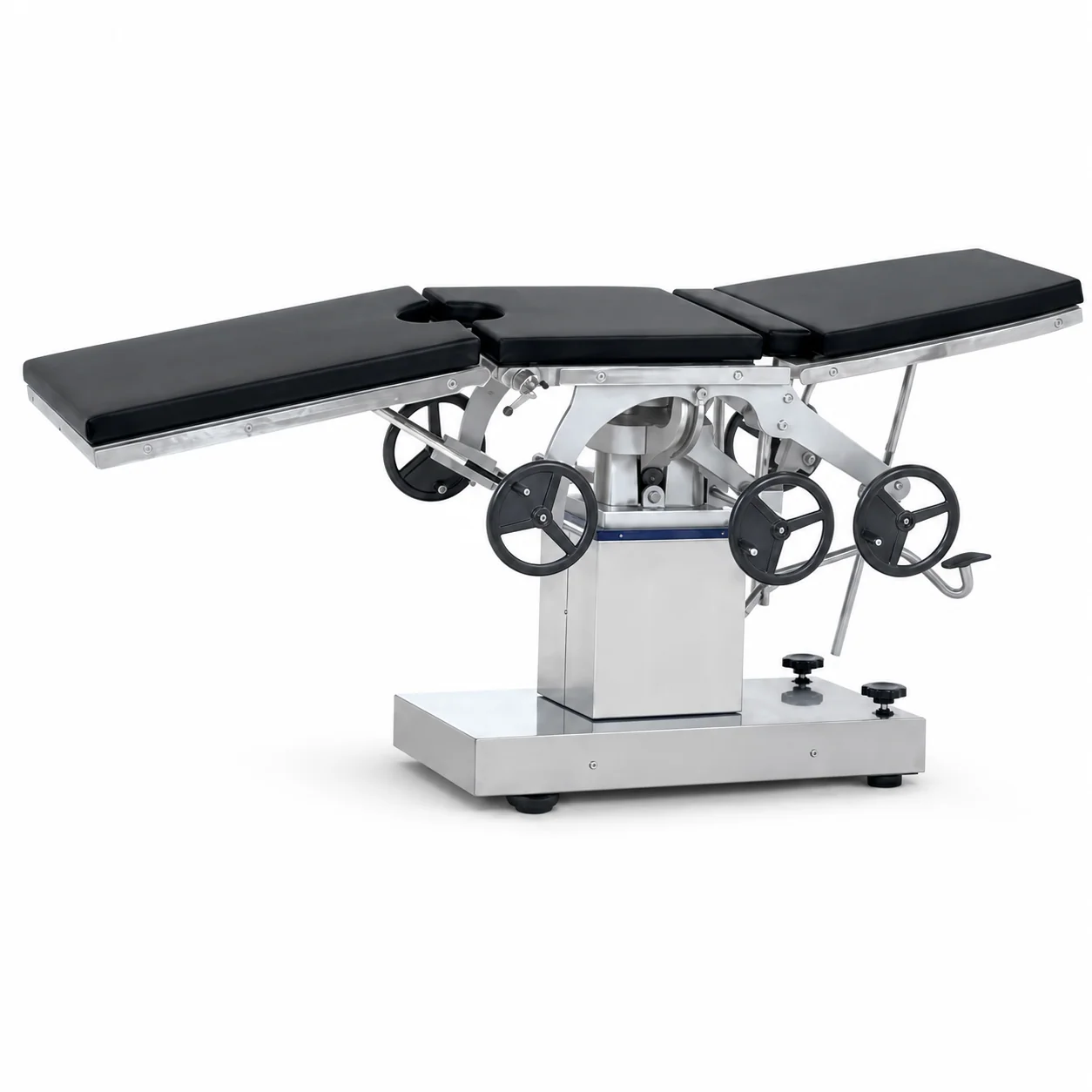
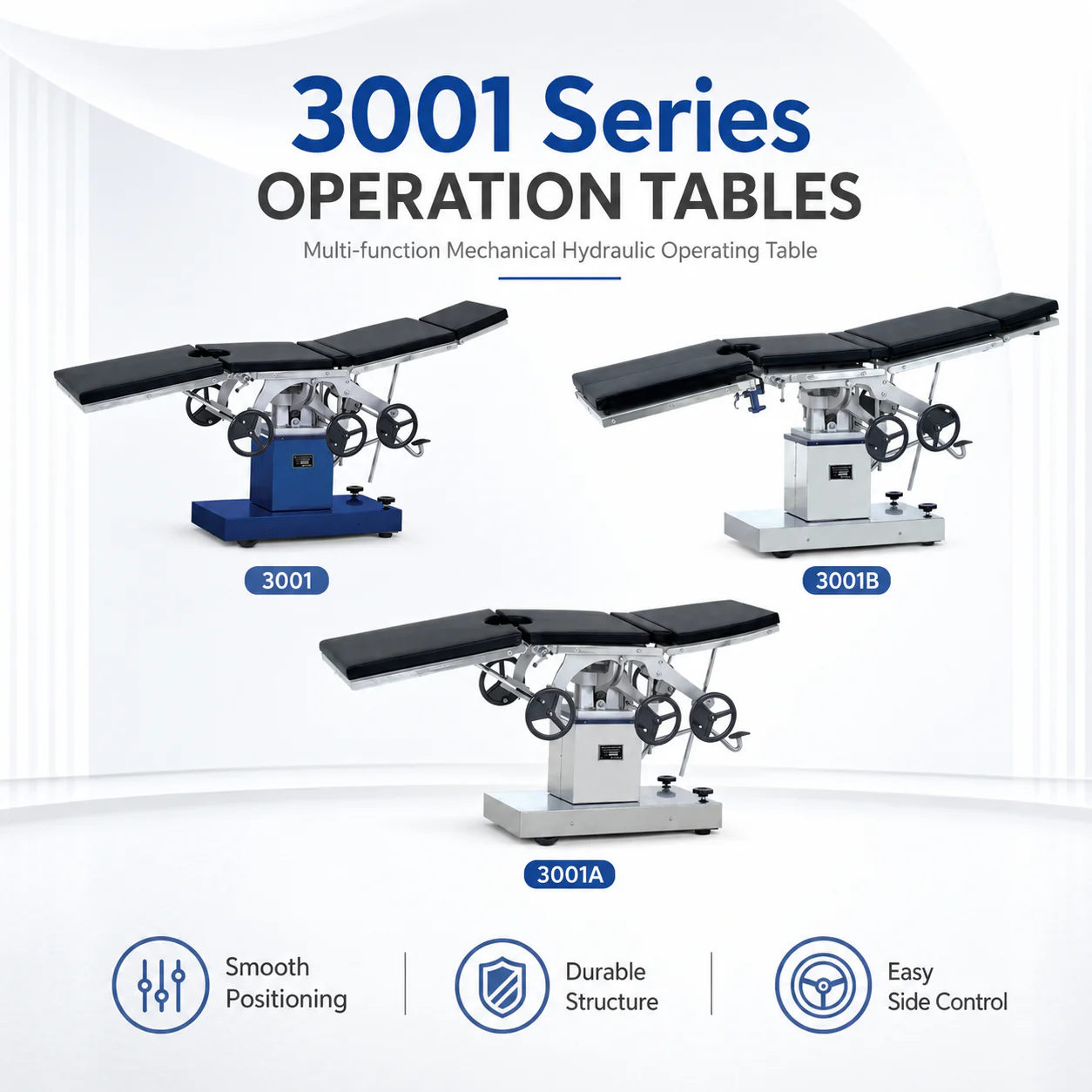
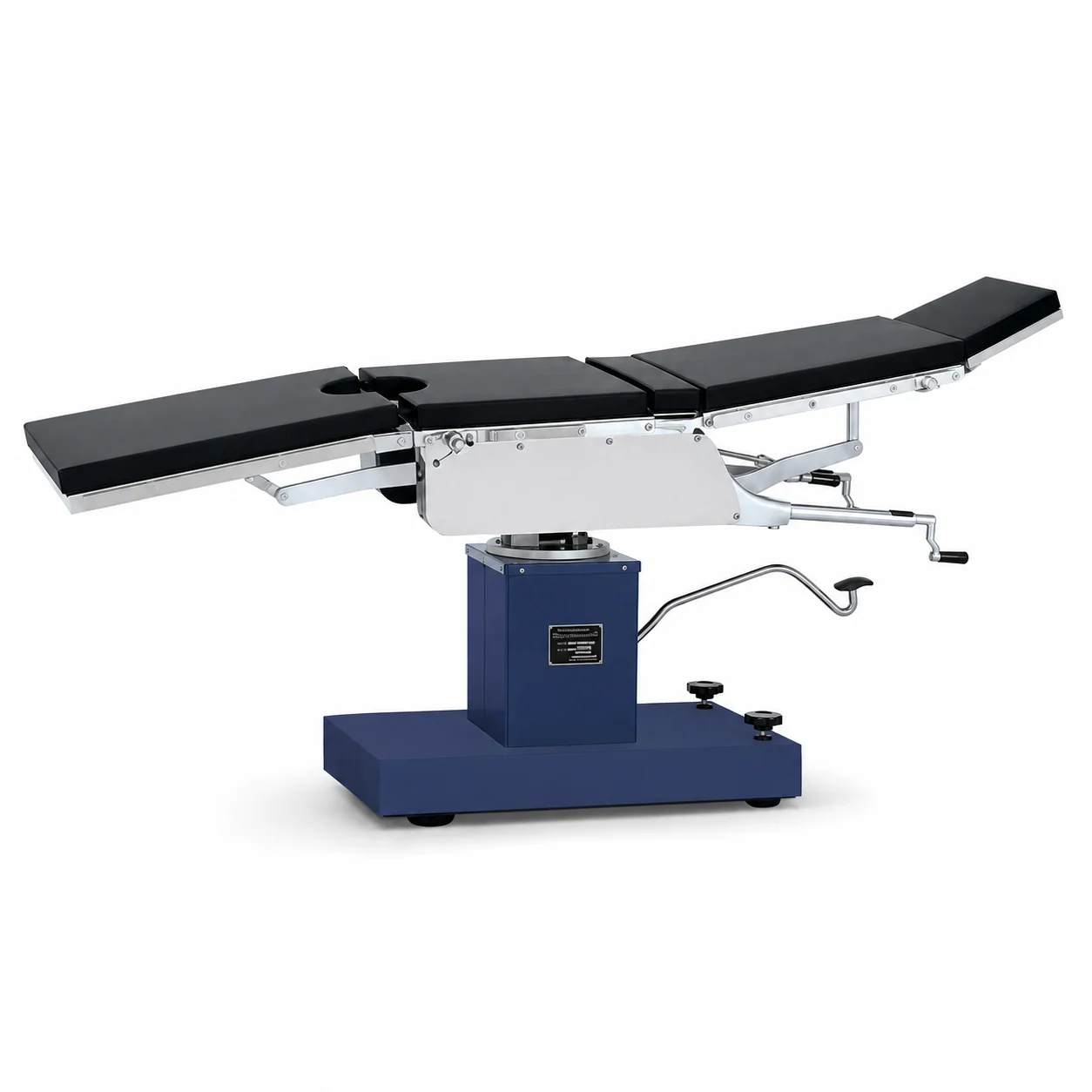
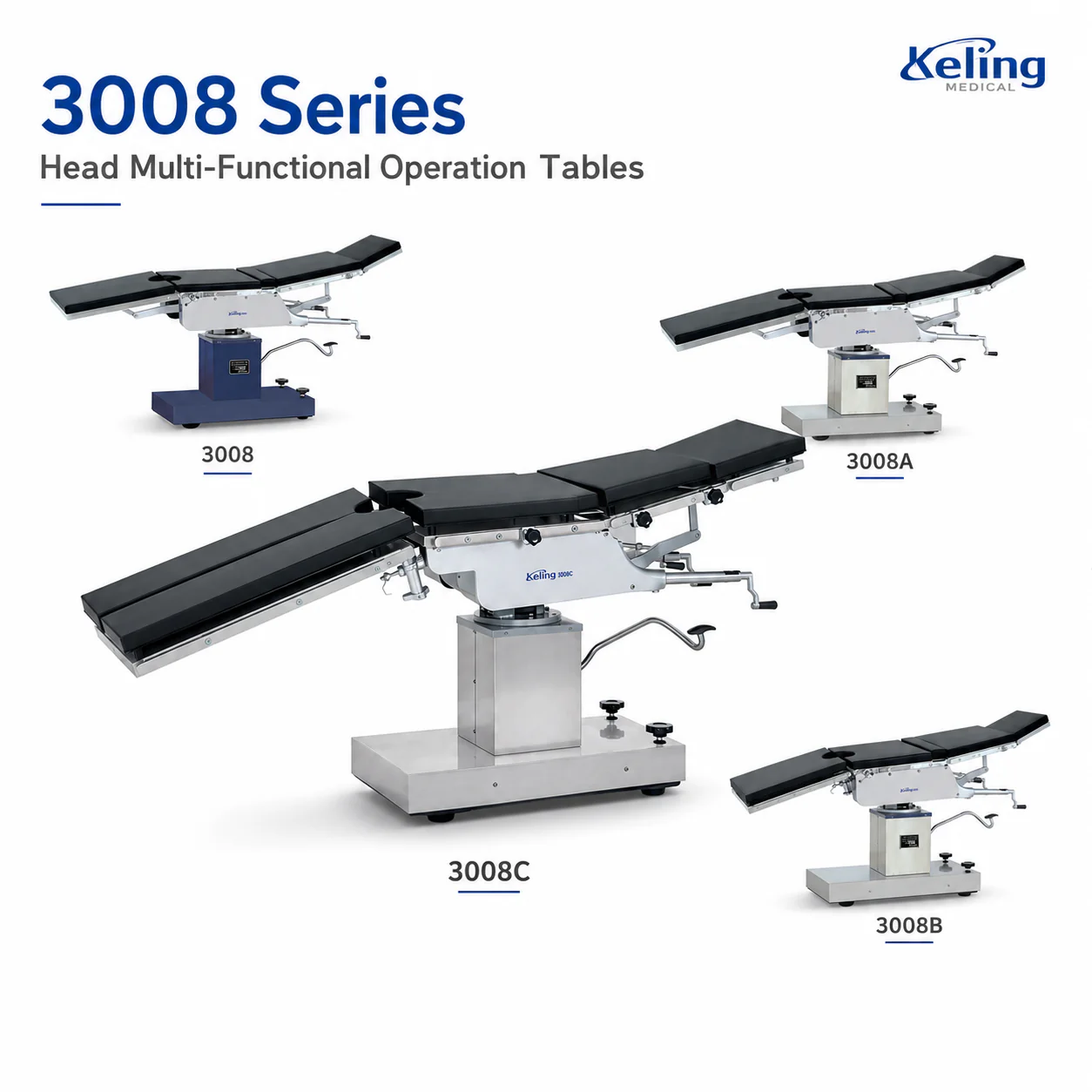
Keling Medical’s catalogue includes manual hydraulic and electric operating-table families. Buyers can review the 3001 Series Operation Table and 3008 Series Operation Table as starting points for model comparison. The product page and written quotation should be used to verify the exact functions and accessories available for the selected model.
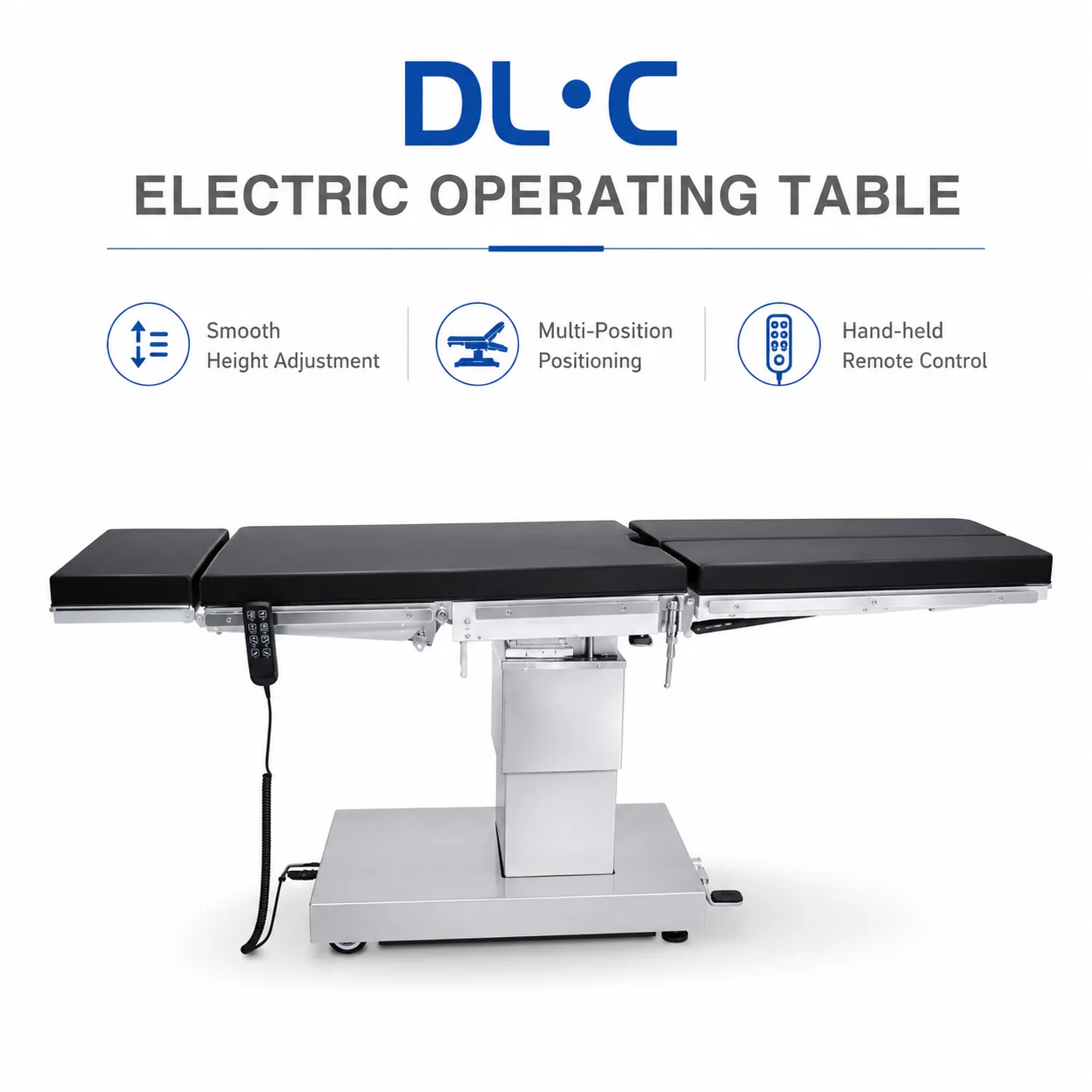
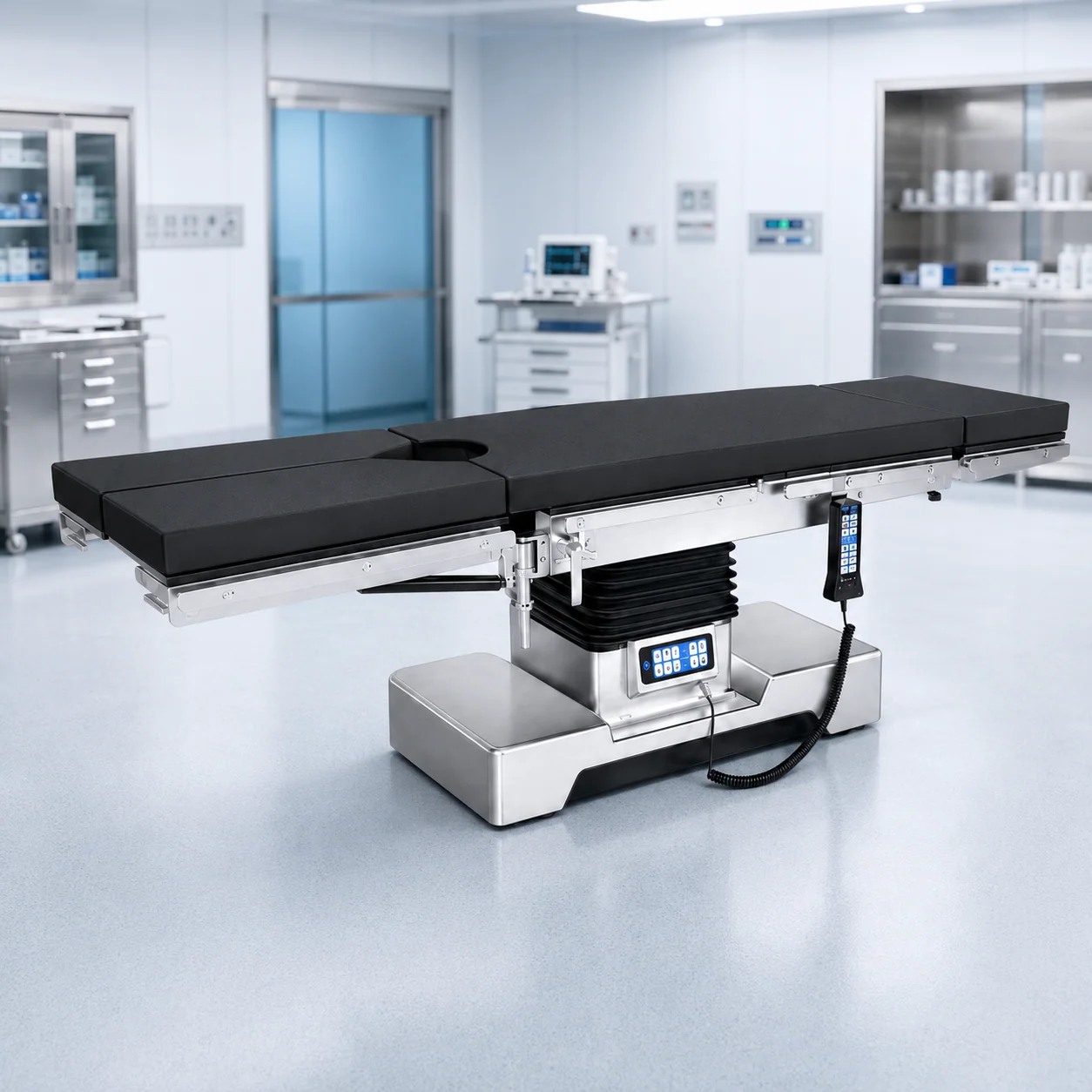
For projects requiring electrically controlled operating-table configurations, buyers may also compare the DL-A Electric Operating Table. Its suitability for a specific prone jackknife setup must be confirmed against the required table movements, accessories, patient load and destination-market documentation.
What to include in an RFQ for prone positioning equipment
A clear request for quotation helps suppliers distinguish a general operating-table inquiry from a project requiring a specific prone configuration. Include:
- The intended procedures and required surgical positions.
- Whether the requirement is a standard prone arrangement, Kraske position or prone jackknife position with slight Trendelenburg.
- Required table movements, height range, section adjustments and control method.
- Patient weight requirement and any special dimensions or clearance needs.
- Required supports and accessories, including which items must be included in the base price.
- Room constraints, imaging requirements, power conditions and delivery location.
- Installation, training, warranty, spare parts and service expectations.
- Required technical files, quality documents and destination-market regulatory scope.
Keling Medical is a Shanghai-based manufacturer and export and sales centre founded in 1996. The company states that it manufactures 310 models across 12 categories and operates an ISO 13485 quality system; company materials also state ISO 9001 and CE. Scope and validity should be confirmed per model and destination market in the written quotation.
For a hospital project or distributor request, use the operating tables category or submit the requirements through the request-for-quote page. B2B inquiries can also be sent to inquiry@shkeling.com or +86 150 0064 9020.
Practical checklist before purchase
Before approving a table for prone jackknife use, ask the supplier to confirm the exact model, configuration and included accessories in writing. Request the technical datasheet, user documentation, dimensional drawings and applicable load or movement information. If the product will be used across several operating rooms, check whether accessories and controls are standardized across the fleet.
Finally, separate clinical positioning policy from equipment capability. The table manufacturer can confirm the product’s documented functions, but the hospital’s authorized clinical team must define how surgical patient positioning is performed, checked and recorded. This distinction supports safer procurement and reduces ambiguity during installation, training and tender evaluation.
Related hospital equipment guides
Operating-table controls and replacement planning can affect uptime and staff workflow. For a related equipment topic, read Hospital Bed Remote: Functions, Selection and Replacement. Although hospital-bed remotes are not operating-table controls, the same procurement principles apply: identify compatibility, included scope, replacement requirements and service responsibilities before ordering.