What to confirm when buying a rotating bed for spinal cord injury
A rotating bed for spinal cord injury is usually considered when a hospital requires controlled repositioning or lateral transfer support for patients with very limited mobility. For procurement, the key question is not simply whether the frame moves. The technical specification should identify the rotation direction, angle, operating method, locking positions, patient capacity, side-rail arrangement, mattress interface and emergency override provisions.
These requirements should be agreed before suppliers are invited to quote. A standard electric hospital bed may provide backrest, knee-rest, height or Trendelenburg functions without providing lateral rotation. Those functions should not be treated as equivalent to a rotating platform.
Keling Medical’s supplied catalogue includes electric, manual, flat, nursing and orthopedic hospital beds, but it does not identify a dedicated rotating bed for spinal cord injury. Buyers should therefore request a model-specific quotation and a written statement confirming whether rotation is available, included, optional or outside the offered configuration. For broader selection criteria, see the Rotating Bed Buying Guide for Hospital Procurement.
Rotating bed versus standard electric hospital bed
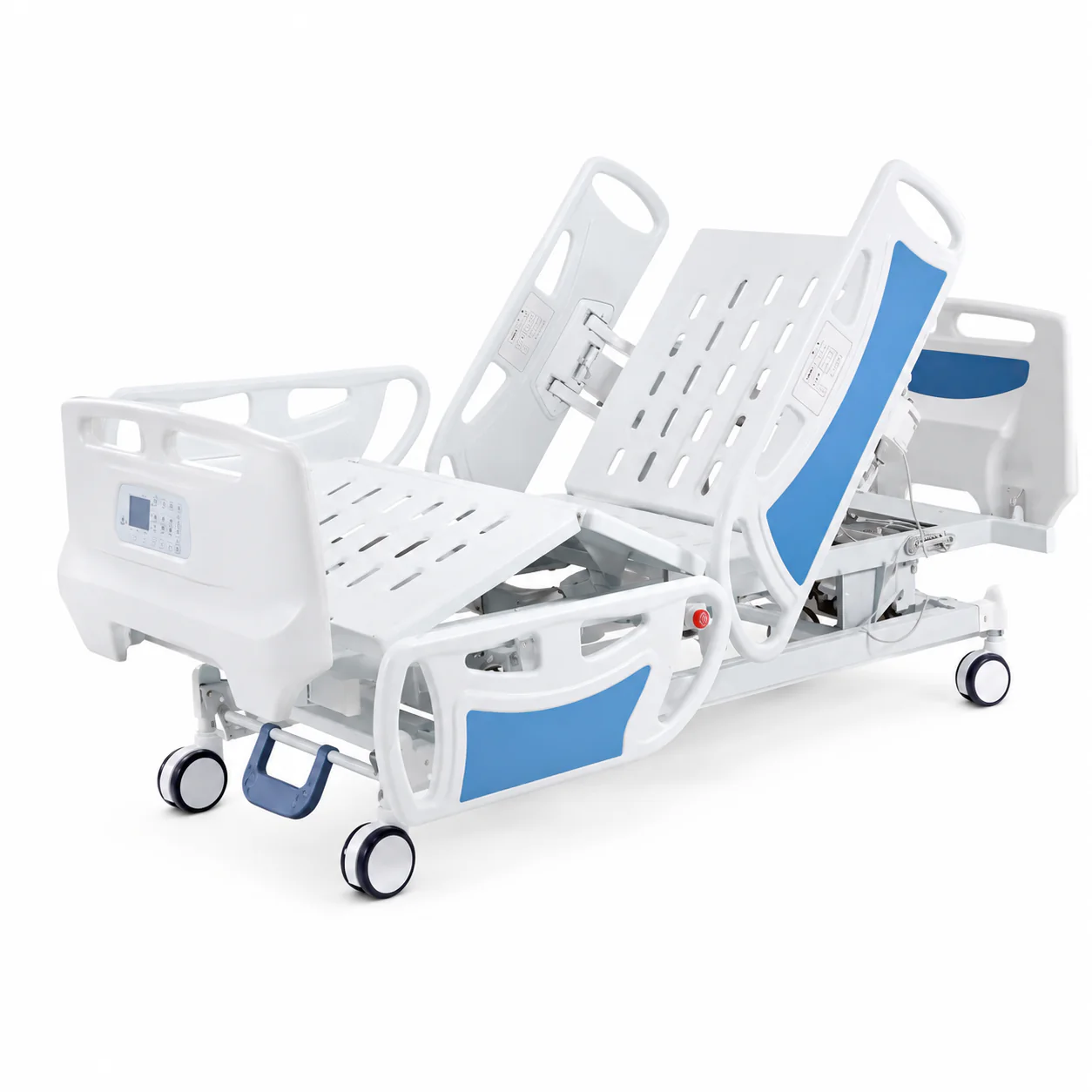
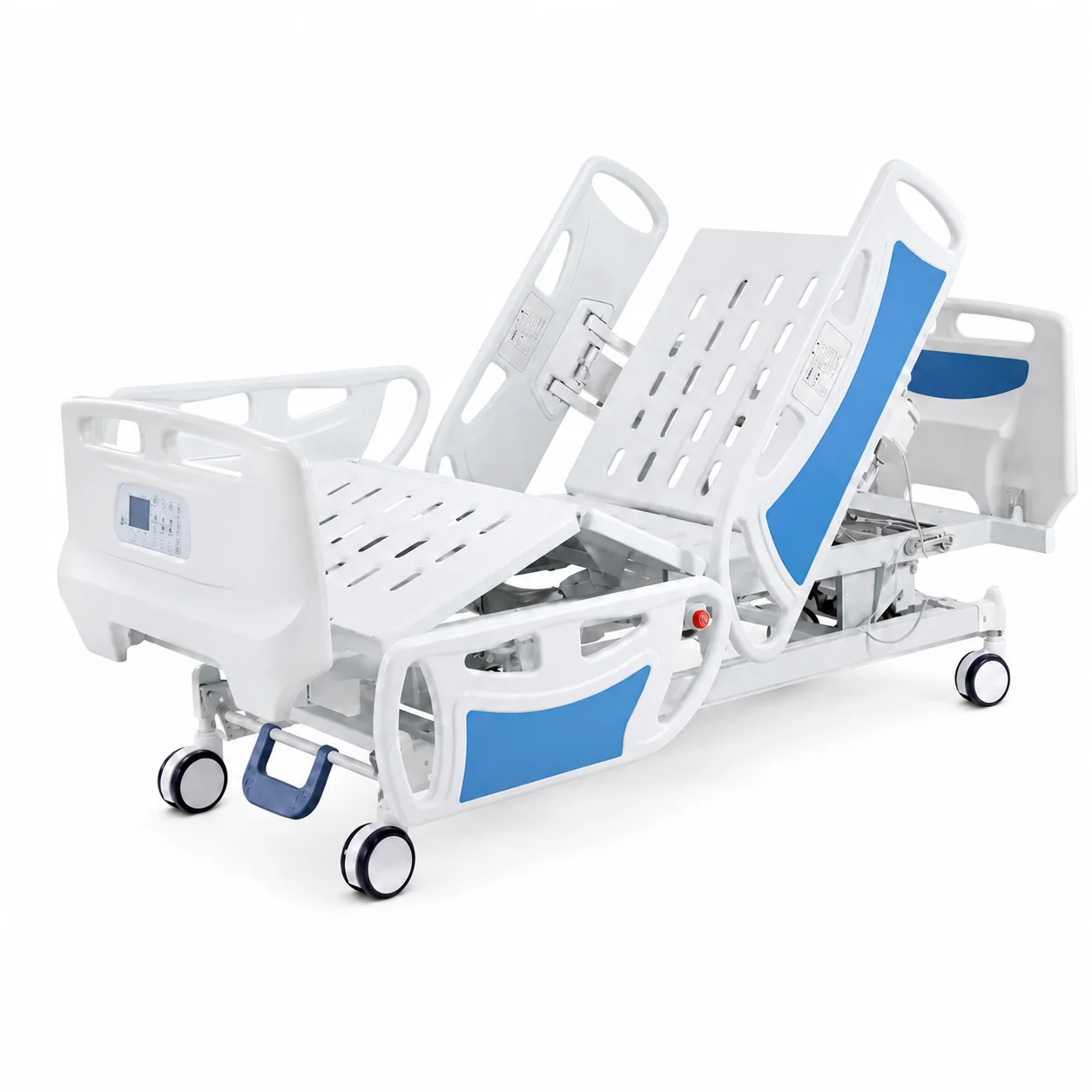
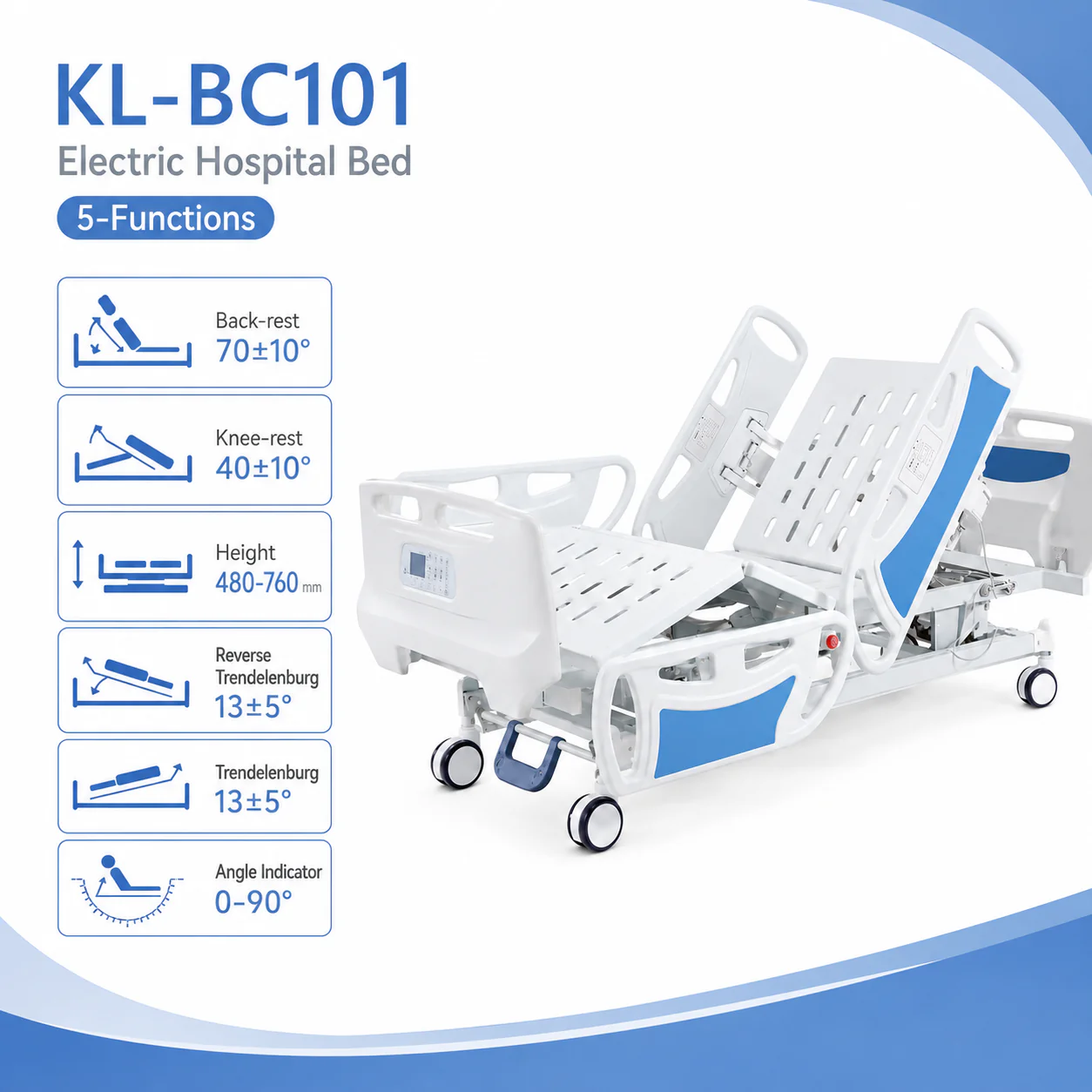
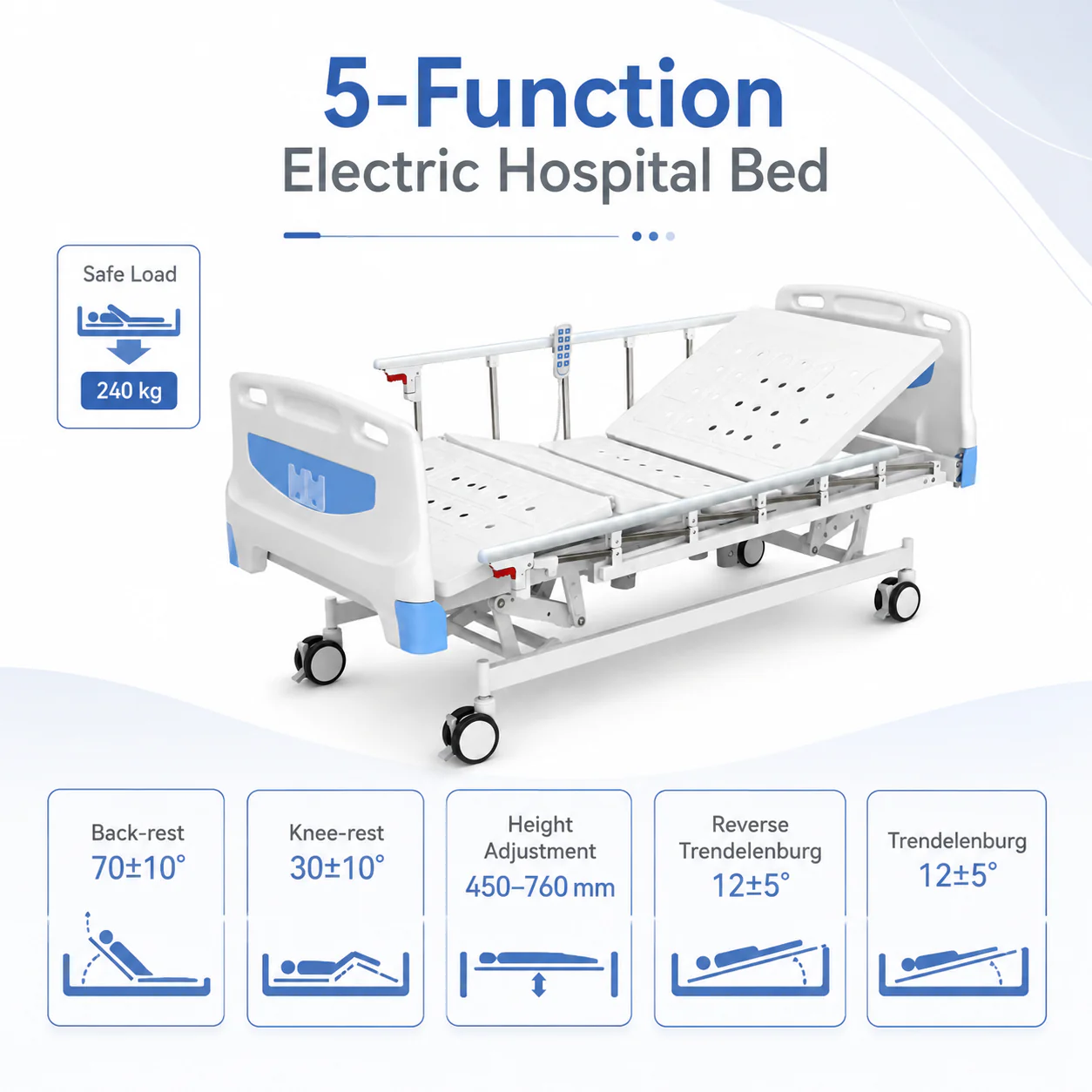
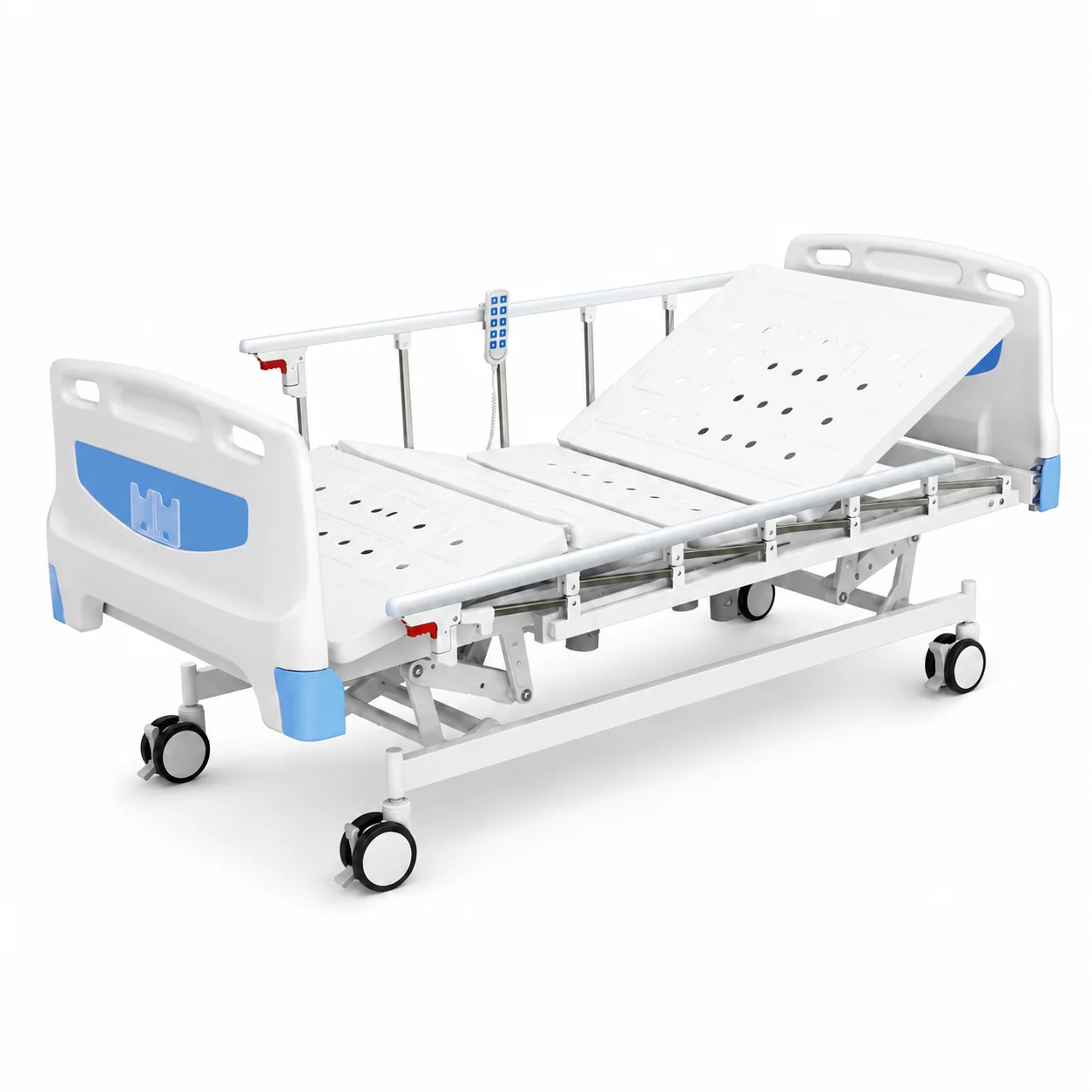
A rotating frame and an articulated hospital bed address different procurement requirements. Rotation changes the patient’s orientation in relation to the bed frame, while articulation changes the position of sections such as the backrest or knee-rest. A bed described as five-function may support several positioning movements, but the function count alone does not demonstrate that the bed rotates.
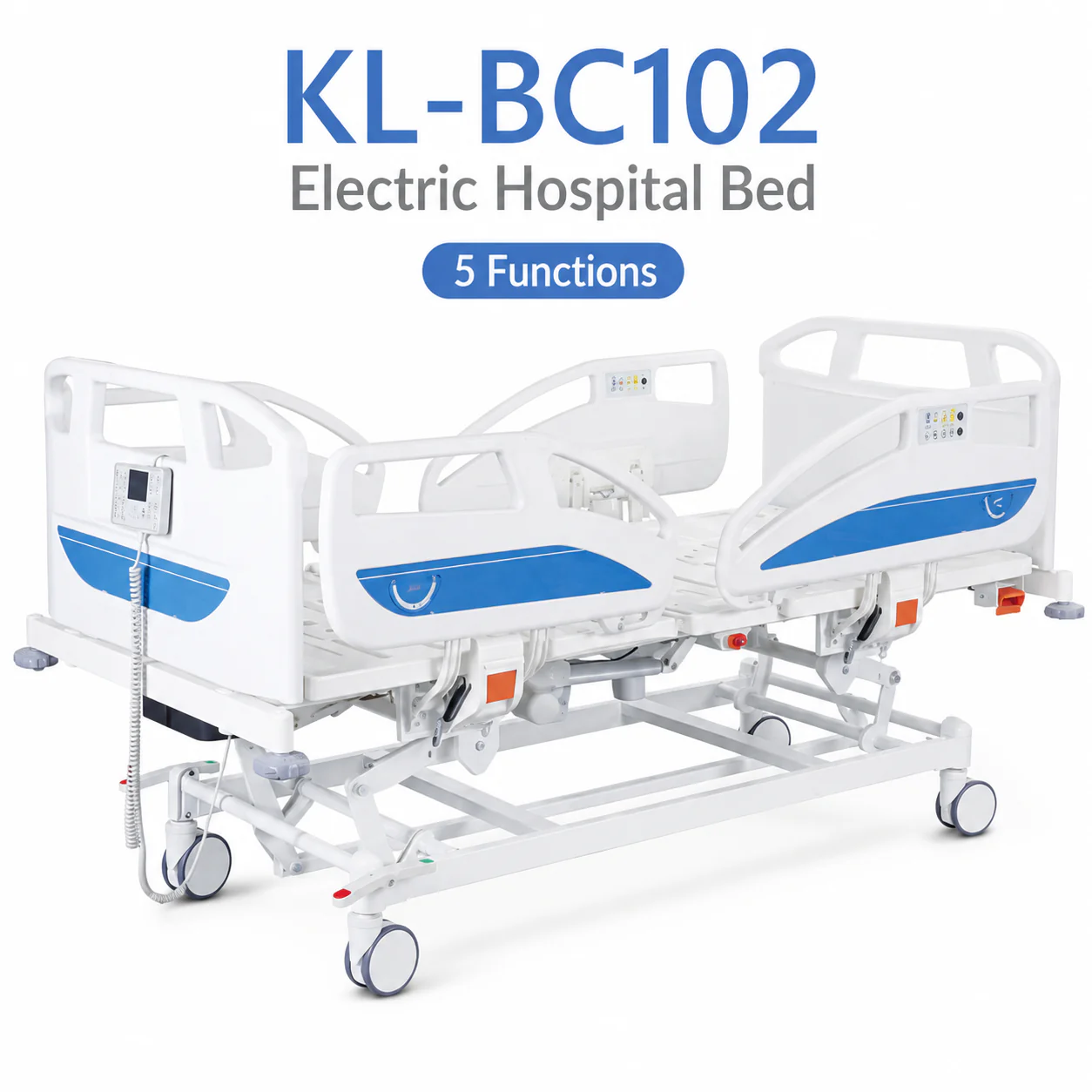
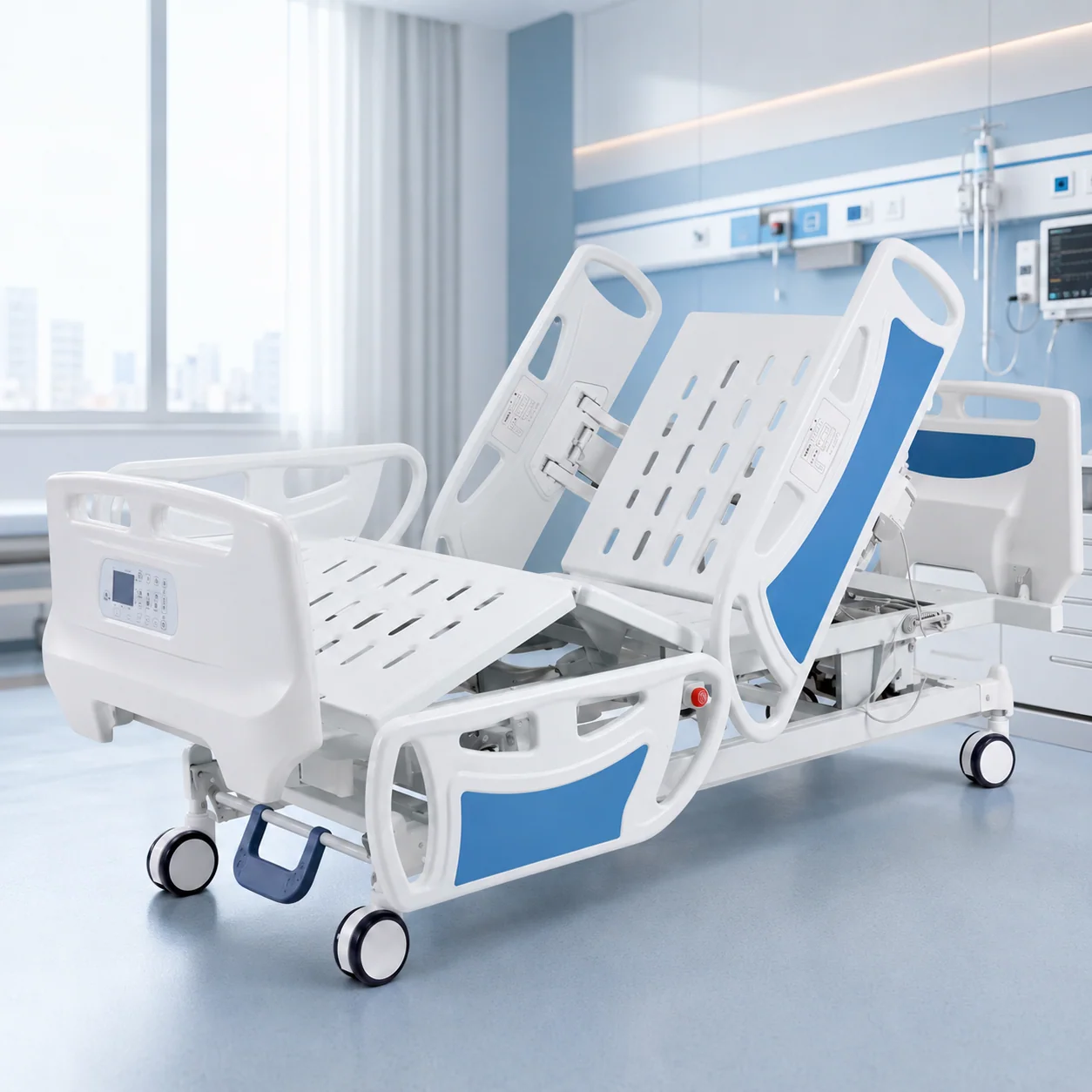
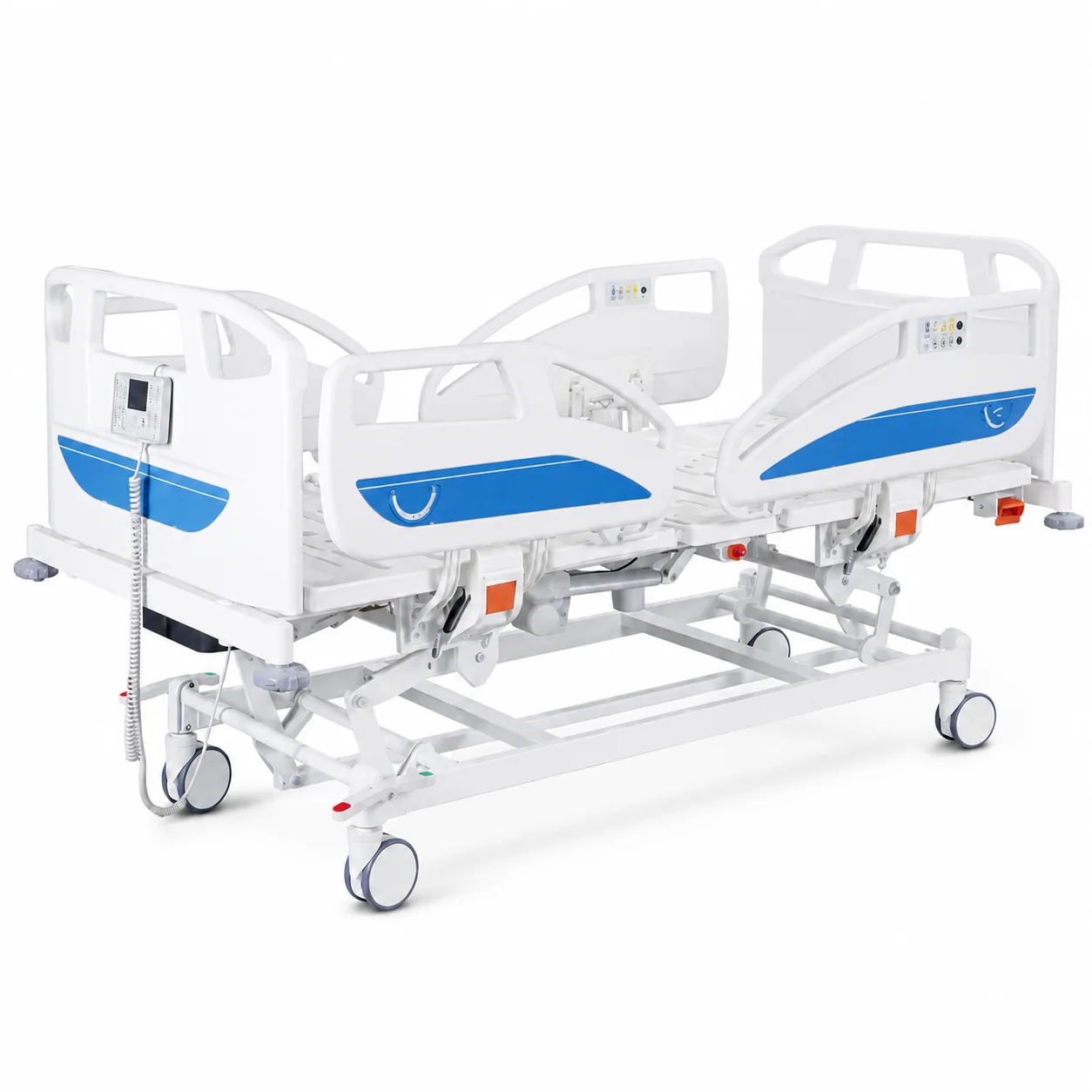
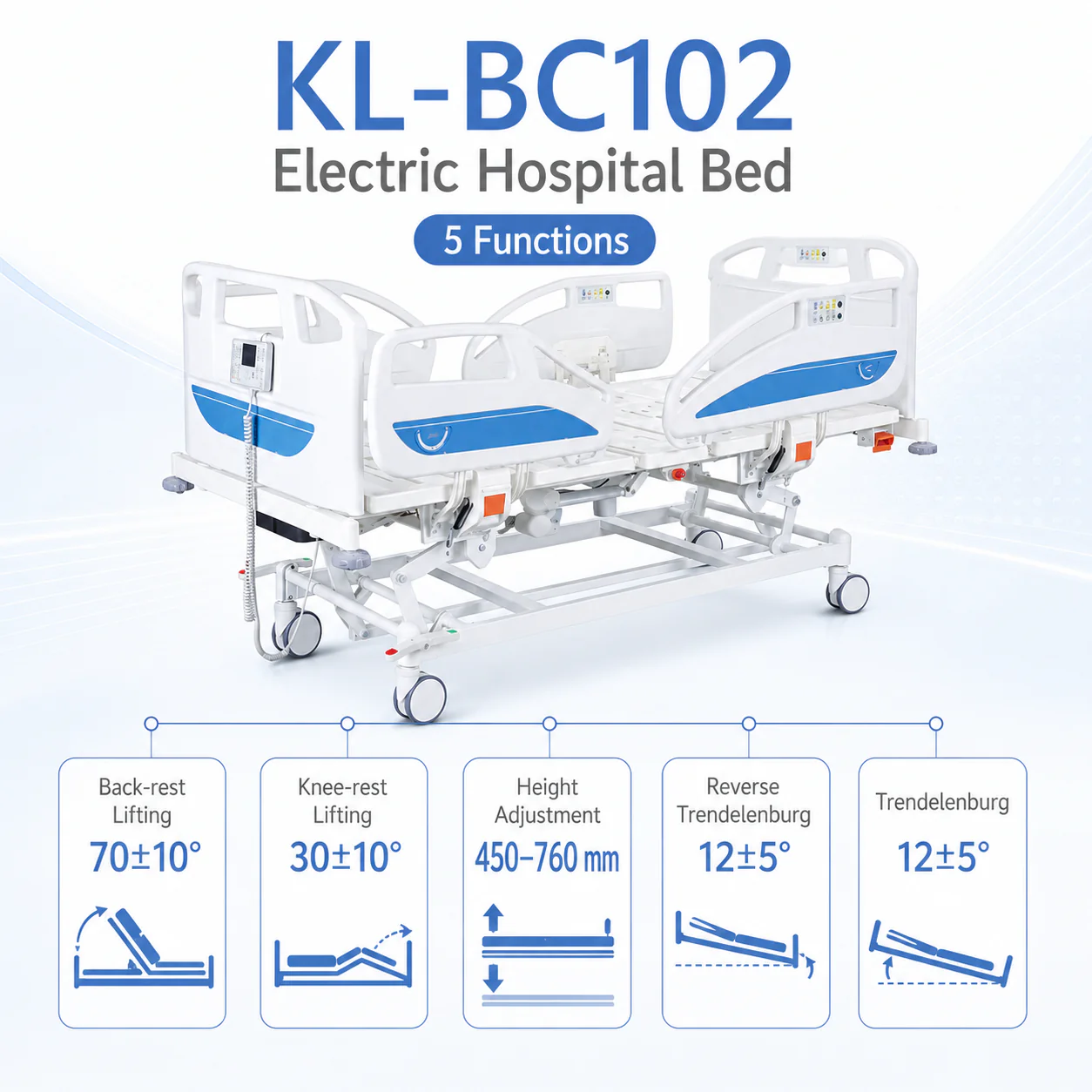
For example, the KL-BC101 Electric Hospital Bed is described in the catalogue as a 5-Function ICU Bed with CPR. The KL-BC102 Electric Hospital Bed is described as a 5-Function Bed with Dual Return. These descriptions identify the catalogue positioning of each model, but they do not state that either model has a rotating platform. The quotation should preserve this distinction.
A standard electric bed may still be appropriate for a ward or rehabilitation project when the required transfer workflow can be managed with staff assistance, transfer equipment or other approved procedures. It should not be selected as a substitute for a rotating bed without confirmation from the hospital’s clinical engineering, nursing, rehabilitation and infection-control teams.
What does “quadriplegic bed” mean in procurement?
The phrase quadriplegic bed is used broadly in online searches, but it is not a complete technical specification. A hospital buyer should translate the search term into measurable requirements: powered movements, safe working load, transfer access, rail configuration, mattress dimensions, cleaning requirements, electrical supply, spare parts and staff training.
The answer to which bed is suitable for a quadriplegic depends on the department, operating workflow and required configuration. A procurement team should not approve a model based only on a general patient category. It should compare the intended use with the exact model’s drawings, functions, accessories and operating documentation.
Procurement checklist for a spinal cord injury hospital bed
1. Movement and control
Ask the supplier to list every powered and manual movement separately. Confirm whether the proposed bed offers backrest, knee-rest, height adjustment, Trendelenburg, CPR positioning, lateral rotation or another movement. Specify the control location, attendant controls, manual-release arrangements and operation during power interruption.
Do not rely on terms such as “multi-function” without a function-by-function schedule. If rotation is mandatory, request the operating range, direction, speed or cycle information where applicable, locking system and restrictions when the bed is used with a mattress or accessories.
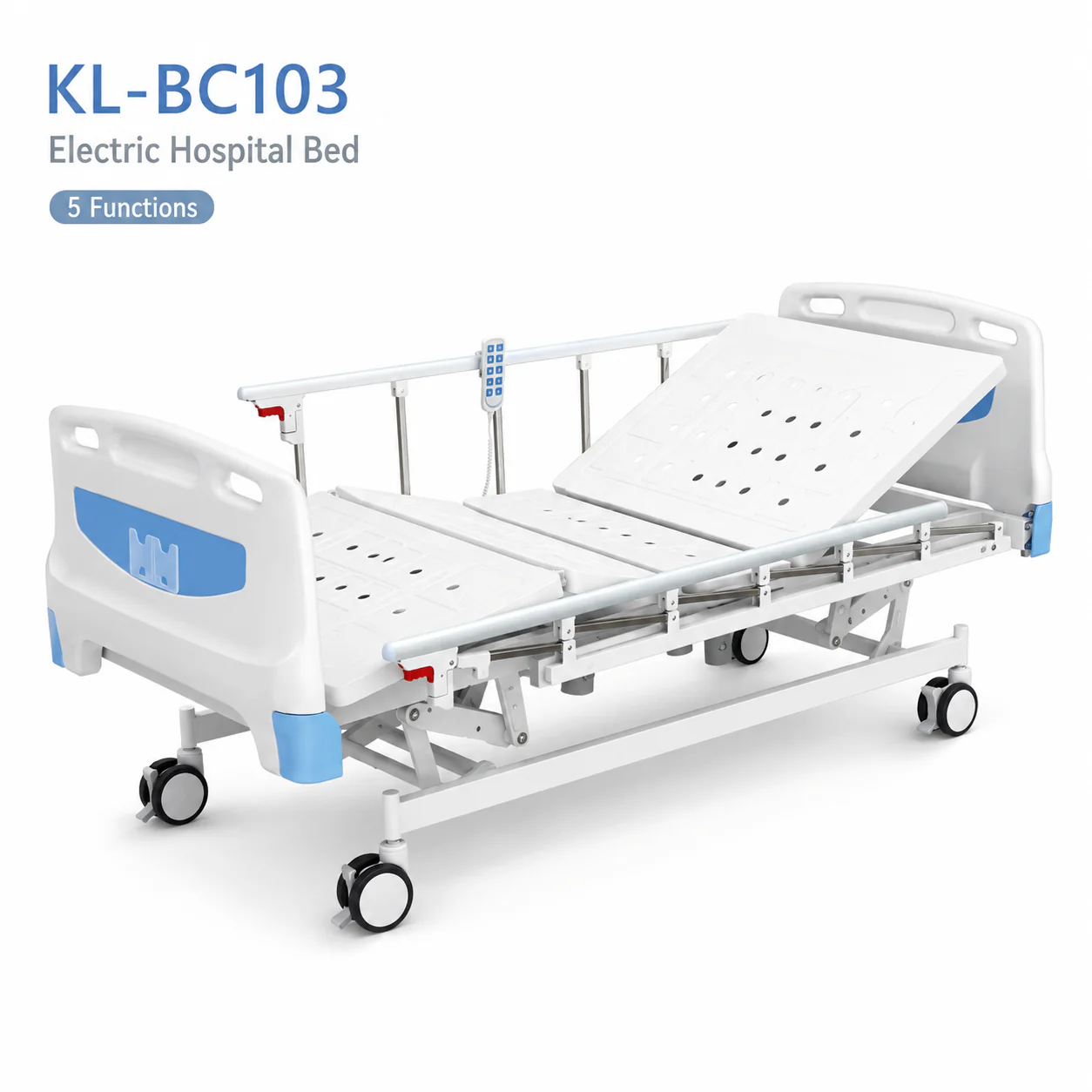
The KL-BC103 Electric Hospital Bed is listed as a 5-Function Ward Bed 240 kg. The KL-BC104 Electric Hospital Bed is listed as a 3-Function Electric Bed 200 kg. These catalogue descriptions can support an initial comparison, but neither description confirms rotation.
2. Capacity and dimensions
The stated capacity must match the project requirement and the complete configuration, including the mattress and accessories where the supplier defines them that way. Request the safe working load definition, overall dimensions, mattress size, minimum and maximum bed height, under-bed clearance and castor details in the written quotation.
A higher stated capacity does not by itself indicate that a bed is suitable for a rotating mechanism, a particular transfer system or a particular mattress. Buyers should also request dimensional drawings to confirm clearance around the bed, access for transfer equipment and compatibility with the room layout.
3. Rails, headboards and accessories
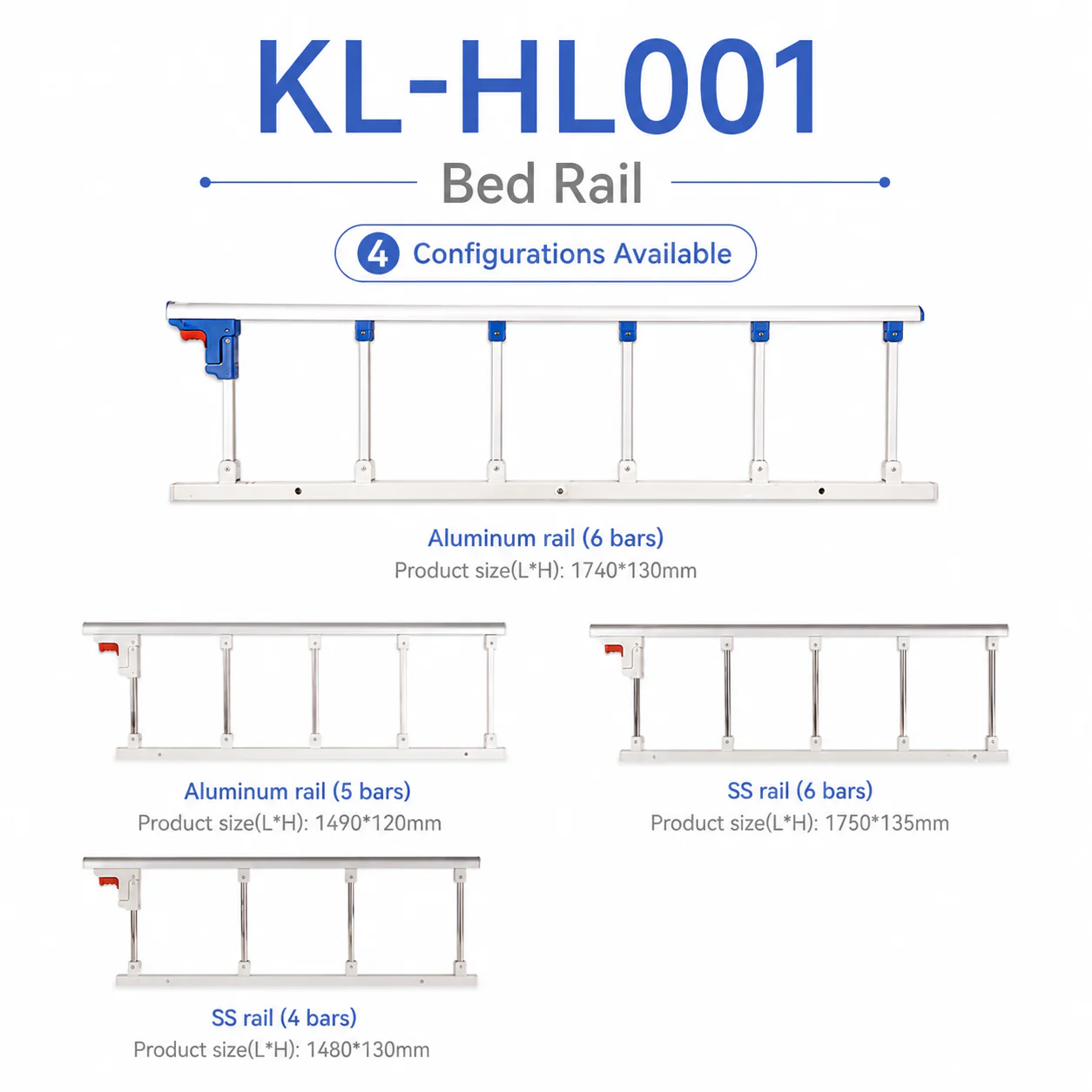
Side rails affect transfer access, patient containment, cleaning and compatibility with other equipment. The catalogue includes KL-HL001 Bed Rail, described as aluminum and stainless steel hospital bed side rails, and KL-HL002 ABS Side Rail, described as a hospital bed ABS side rail in big and small sizes. Confirm whether the selected rail is supplied with the bed or quoted separately.
The accessory schedule should also list the required IV stand, traction frame, headboard, mattress and other components. Keling lists the KL-LJ045-1 I.V. Stand and the KL-P001 Mattress. Compatibility must be confirmed in writing, particularly if rotation, removable rails or a specialized mattress is part of the proposed configuration.
4. Mattress and pressure-management requirements
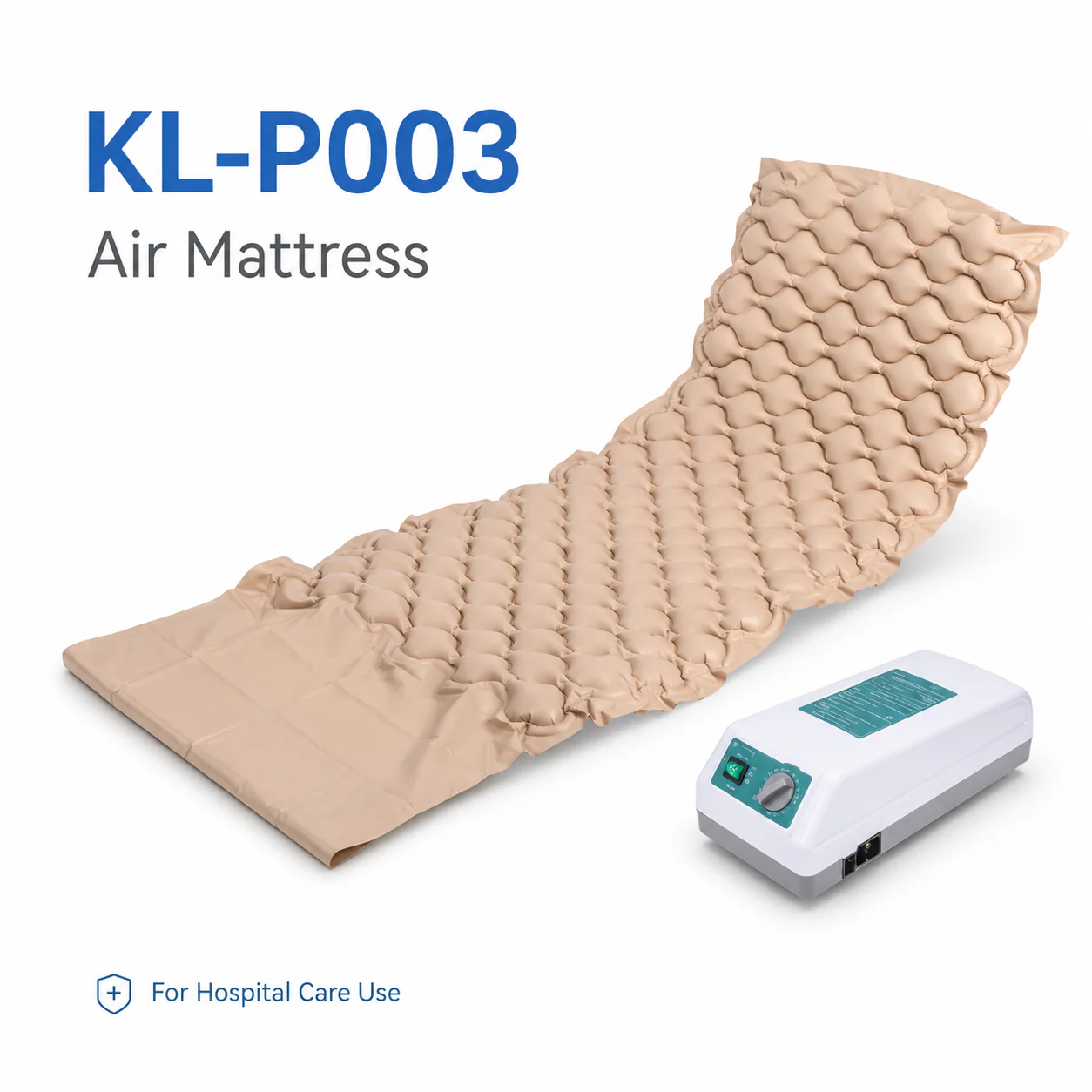
A mattress should be evaluated separately from the bed frame. The tender should define its construction, cover material, cleaning method, replacement process and compatibility with articulation or rotation. The catalogue lists the KL-P003 Air Mattress, described as a Bubble Air Mattress for Hospital Bed, and the KL-P004 Air Mattress, described as a Tubular Air Mattress for Hospital Bed.
The product listing alone does not establish suitability for every patient, bed movement or rotation system. Ask the supplier for a compatibility statement covering the complete proposed package. For related procurement considerations, see the Hospital Bed Air Mattress with Pump: Buyer’s Guide and the Scoop Mattress for Hospital Bed: Buyer’s Guide.
Questions to include in the RFQ
A clear request for quotation should include the destination country, department, quantity, delivery schedule, voltage and plug requirements, accessories, mattress requirements, training expectations, warranty terms, spare-parts availability, packaging and installation responsibilities.
For a rotating bed for spinal cord injury, add these model-specific questions:
- Is lateral rotation included in the quoted model?
- What are the rotation angle, direction, speed and locking positions?
- Can the bed return to a neutral position during an emergency?
- Is rotation available with the proposed rails, mattress, IV stand and other accessories?
- What is the safe working load for the complete configuration?
- Are dimensional drawings, user instructions, maintenance instructions and spare-parts lists available?
- What testing, inspection and acceptance documents are supplied?
- Which functions are standard, optional or excluded from the quotation?
Do not accept “five-function” or “quadriplegic bed” as the only technical description. The quotation should identify the exact model, configuration, accessories and documents supplied.
How to request a model-specific quotation
Send the supplier a technical schedule rather than only the search term “quadriplegic bed.” Include required movements, rotation if mandatory, capacity, dimensions, rail design, mattress type, accessories, electrical requirements, destination market and quantity. If a rotating mechanism is essential, identify it as a pass-or-fail requirement and request supporting technical documents.
Keling Medical is a Shanghai-based export and sales centre founded in 1996. Company materials state that Keling manufactures 310 models across 12 categories and operates an ISO 13485 quality system; they also state ISO 9001 and CE. Regulatory scope and validity should be confirmed per model and destination market in the written quotation.
Keling serves distributors, hospital projects and tenders. Buyers can use the request-for-quote page or contact inquiry@shkeling.com and +86 150 0064 9020. Before issuing a purchase order, compare the written offer, drawings, configuration list, warranty, delivery terms and destination-market regulatory documentation.